Milk production costs in RS rise 2.69% in April
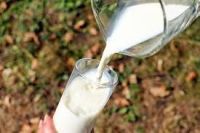
The Input Index for Raw Milk Production in Rio Grande do Sul registered an increase of 2.69% in April 2026, according to a report released by the Farsul System Economic Advisory.
The advance was driven mainly by the increase in the prices of fertilizers, electricity and fuel.
According to the survey, fertilizers increased by 12.8% in the month, with emphasis on urea, with an appreciation that continues to be associated with logistical difficulties in the Strait of Hormuz, a strategic route for global trade in nitrogen fertilizers.
Fuel prices rose, on average, 2.3%, following the 4.4% increase in international oil prices.
Electricity also put pressure on dairy activity costs, with an increase of 30.6% in April. According to Farsul, the movement is related to the change in the consumption time slot, concentrating greater use in periods subject to higher tariff flags.
In the grains segment, corn rose slightly by 0.3%, while soybeans fell by 1%.
In the accumulated period from 2026 to April, the index recorded inflation of 1.06%. In the same period, the IPCA accumulated an increase of 2.60%, while the IPCA Milk and Derivatives rose 8.64%.
In a 12-month comparison, the Farsul index shows a decline of 4.66%, mainly influenced by the reduction in silage costs, which fell 15.8%, and concentrate, with a decline of 10.5%.
Despite this, some groups continue to put pressure on the costs of dairy production. In 12 months, fertilizers increase by 30%, electricity increases by 30.8% and fuels increase by 6.9%.
The report also highlights that the price of milk paid to producers fell by around 10% in the period, while the IPCA Milk and Derivatives accumulated an increase of 1.6%, indicating a difference between the adjustments observed throughout the chain.
For May, Farsul's expectation is for moderate inflation in the index. The entity assesses that the recent stability of fuels and exchange rate appreciation may limit some of the cost pressures in the short term.
On the other hand, the fertilizer segment remains on an upward trend due to the international scenario, while the recent appreciation of corn could increase animal feed costs.
Source: CNN