Malaria: what are the symptoms and how to treat it?
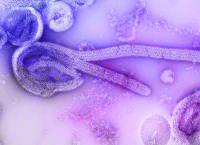
The patient with suspected Ebola being investigated in Rio de Janeiro received a positive diagnosis of malaria, but remains in isolation until the presence of the Ebola virus is ruled out.
Malaria, also known as tertian fever, is an infectious disease transmitted by female Anopheles mosquitoes (capuchin mosquitoes) that carry the parasite of the genus Plasmodium.
According to the Ministry of Health, the majority of cases in Brazil are concentrated in the Amazon region, formed by Acre, Amapá, Amazonas, Maranhão, Mato Grosso, Pará, Rondônia, Roraima and Tocantins. However, the disease cannot be neglected in other states, as it tends to be even more lethal outside this region.
Treatment for malaria is simple and effective, but the disease can progress to serious stages if it is not identified and treated quickly.
How is malaria transmitted?
Malaria is transmitted through the bite of a female Anopheles mosquito that is infected by one or more species of protozoa of the Plasmodium genus. The mosquito is also known as carapanã, muriçoca, awl, capuchin or bicuda mosquito and usually appears at dawn or dusk.
The chain of transmission begins when a mosquito bites an individual who has malaria. Inside the mosquito, the protozoa that cause the disease multiply until the insect bites another person, infecting a new individual.
There is no direct transmission of the disease between one human being and another.
What are the symptoms of malaria?
The most common symptoms of malaria include:
- high fever;
- chills;
- tremors;
- sweating;
- headaches.
However, some people also experience nausea, vomiting, tiredness and lack of appetite before the more classic symptoms.
Severe cases of the disease can also cause changes in consciousness, convulsions, hypotension or shock, hemorrhages, among other more serious symptoms. Pregnant women and children infected for the first time are more frequently subject to serious cases.
What is the treatment for malaria?
Treatment is carried out by taking pills, which are distributed free of charge by the SUS (Unified Health System). The approach depends on the species of the infecting protozoan and specific characteristics of each patient, such as age, weight, pregnancy or other pre-existing health conditions.
When the disease is diagnosed in time, treatment guarantees the patient's cure, preventing the disease from progressing to more serious cases and interrupting the chain of transmission.
There is no vaccine against malaria in Brazil. There is a vaccine available only in some African countries with high transmission of the disease caused by the protozoan Plasmodium falciparum and it is exclusively for young children.
Dengue: researchers develop new technology to control mosquitoes
Source: CNN