Majority of those registered for hearing on US tariffs reject the measure, but tariffs should be maintained, projects CNI
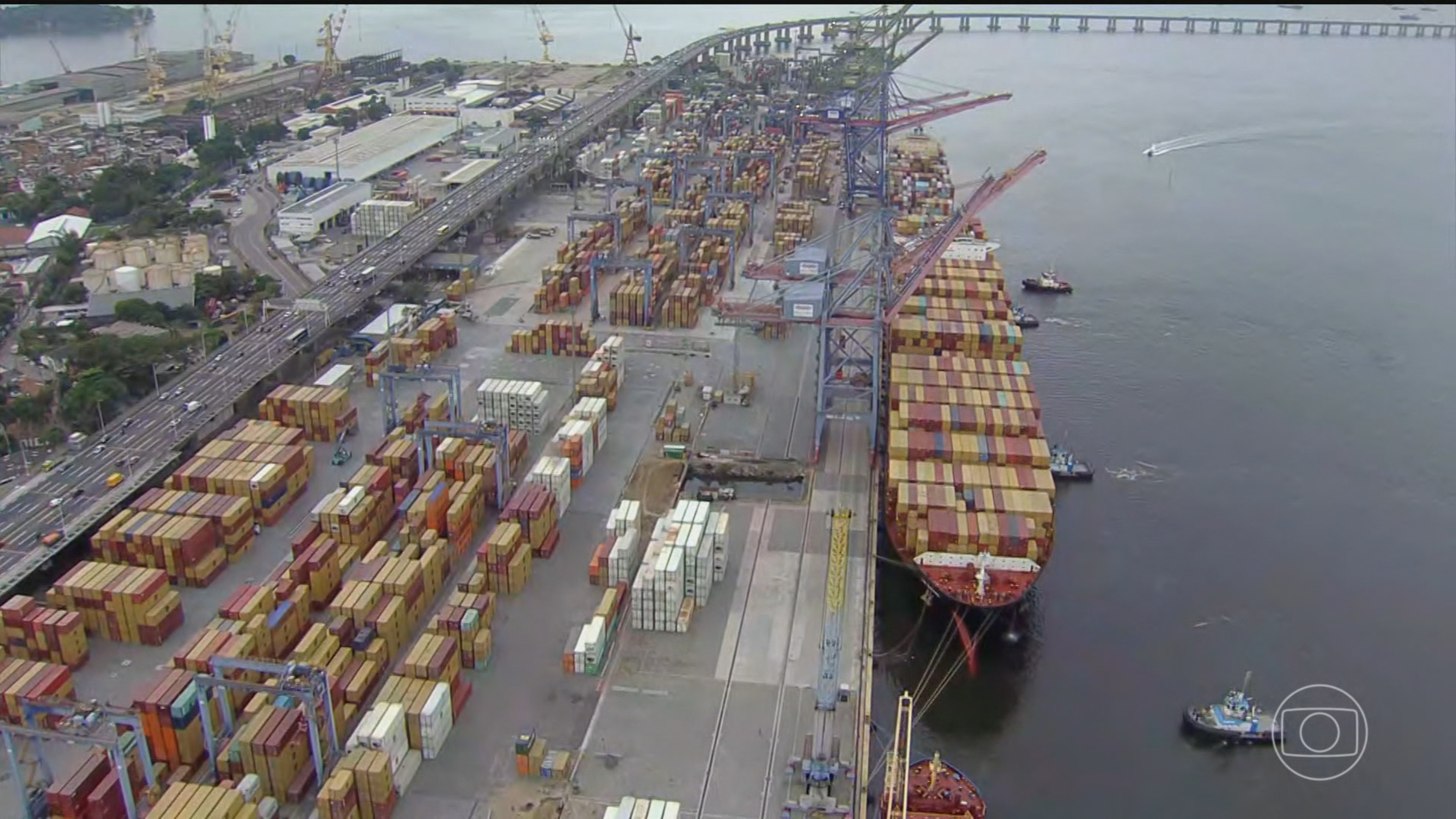
Survey by the National Confederation of Industry (CNI) shows that the majority of demonstrations registered for the public hearing on the trade investigation opened by the United States against Brazil must express themselves in a manner contrary to the adoption of new tariffs.
The trend, according to CNI's Trade and International Integration Manager, Constanza Negri, is for tariffs to be maintained, even though they may undergo occasional adjustments during the conclusion of the process.
Of the 80 registered to speak at the hearing of the Office of the United States Trade Representative (USTR), 66 are expected to take a stand against the measure. The other participants, who represent North American ethanol, steel, livestock and timber sectors, support the application of tariffs.
The survey, obtained by g1, used public data from the USTR.
The USTR is the body responsible for formulating and negotiating US trade policy. It conducts investigations into practices considered harmful to American commerce and can recommend measures such as the imposition of tariffs.
Now on g1
The hearing is part of the investigation conducted based on Section 301 of the Trade Act of 1974, a mechanism that allows the United States government to investigate practices in other countries considered harmful to American commerce, companies or exporters.
Earlier this month, the American government concluded the investigation by stating that Brazil adopts practices that "encumber or restrict" trade with companies in the United States. Based on this diagnosis, the USTR proposed raising tariffs on Brazilian products.
The investigation was opened on July 15, 2025 by order of United States President Donald Trump. A week earlier, he had already mentioned the possibility in the letter in which he announced a 50% tariff on Brazilian imports.
Interlocutors in the government claim that these public hearings called by the USTR are a space for the private sector and civil society to act. This is a session in which people submit documents and ask to speak out.
The format resembles, in the government's understanding, a public hearing of the National Congress, and not a space for negotiation between States.
According to CNI's projection, if the proposal is implemented, 31.6% of Brazilian exports to the United States will be taxed at 37.5%, compared to the current 10% - an increase of 27.5 points percentages.
US$ 15 billion is the volume of exports that could be affected if a 25% tariff is applied, according to the American Chamber of Commerce for Brazil
Jornal Nacional/ Reproduction
In the assessment of CNI's International Trade and Integration manager, Constanza Negri, the tendency is for tariffs to be maintained, even though they may undergo occasional adjustments during the conclusion of the process.
For Constanza, the projection prepared by the entity considers the current stage of the investigation and eventual Changes, if they occur, must be "marginal", without changing the direction of the trade policy adopted by the United States.
"Our reading is that this adjustment may be marginal, but not in terms of direction in relation to tariffs. But of course, we need to monitor this and see. So, I think our strategy remains the same, of demonstrating how harmful, negative the effects are, not only for Brazil, but also for the United States", he added to g1.
For this reason, according to Negri, The Brazilian industry's strategy continues to be to demonstrate that the tariffs will have negative effects not only for Brazil, but also for companies and sectors of the North American economy itself.
She highlights that several segments in the United States have already expressed concern about the impacts of the measures on their own businesses.
The expert argues that negotiation continues to be the best way to avoid losses to companies in both countries.
For the entity, the proposed measures have no economic justification, since the United States records a trade surplus in its relationship with Brazil and the two economies maintain a complementary relationship.
Planalto does not believe in a reversal
Subjectly, aides to President Luiz Inácio Lula da Silva (PT) say they no longer believe in a complete reversal of tariffs and that the government will try to exhaust the negotiations, showing trade figures between the two countries and presenting technical arguments.
However, the assessment is that the USTR's decision has political and not technical motivations. Thus, they say they assess that, at most, there may be some exception or eventual reduction in the rate, but not the reversal of the measure.
According to these members of Palácio do Planalto, there is a "line of dialogue" between the two governments, which must be maintained, with meetings between representatives of Presidents Lula and Donald Trump.
At the Ministry of Foreign Affairs, members of Brazilian diplomacy say that the USTR documents demonstrate how the investigation based on section 301 has a political character and not a technical or commercial.
According to reports to GloboNews, the documents received by Itamaraty relating to the initial allegations, from July 2025, are "practically the same" as those from the final recommendation, from June 2026.
For members of Itamaraty, this shows that all the technical arguments presented to the US over the last year by Brazilian negotiators were disregarded, such as the numbers that demonstrate the drop in deforestation under the Lula government compared to the government Bolsonaro.
A Brazilian delegation, made up of members such as the heads of the economic and environmental areas of Itamaraty, went to Washington to present the data, and the understanding of diplomacy is that all questions were answered with data, but ended up ignored.
Source: G1