Lô Borges' arrival at the end of the road with posthumous album 'A Estrada' sounds coherent with the artist's trajectory
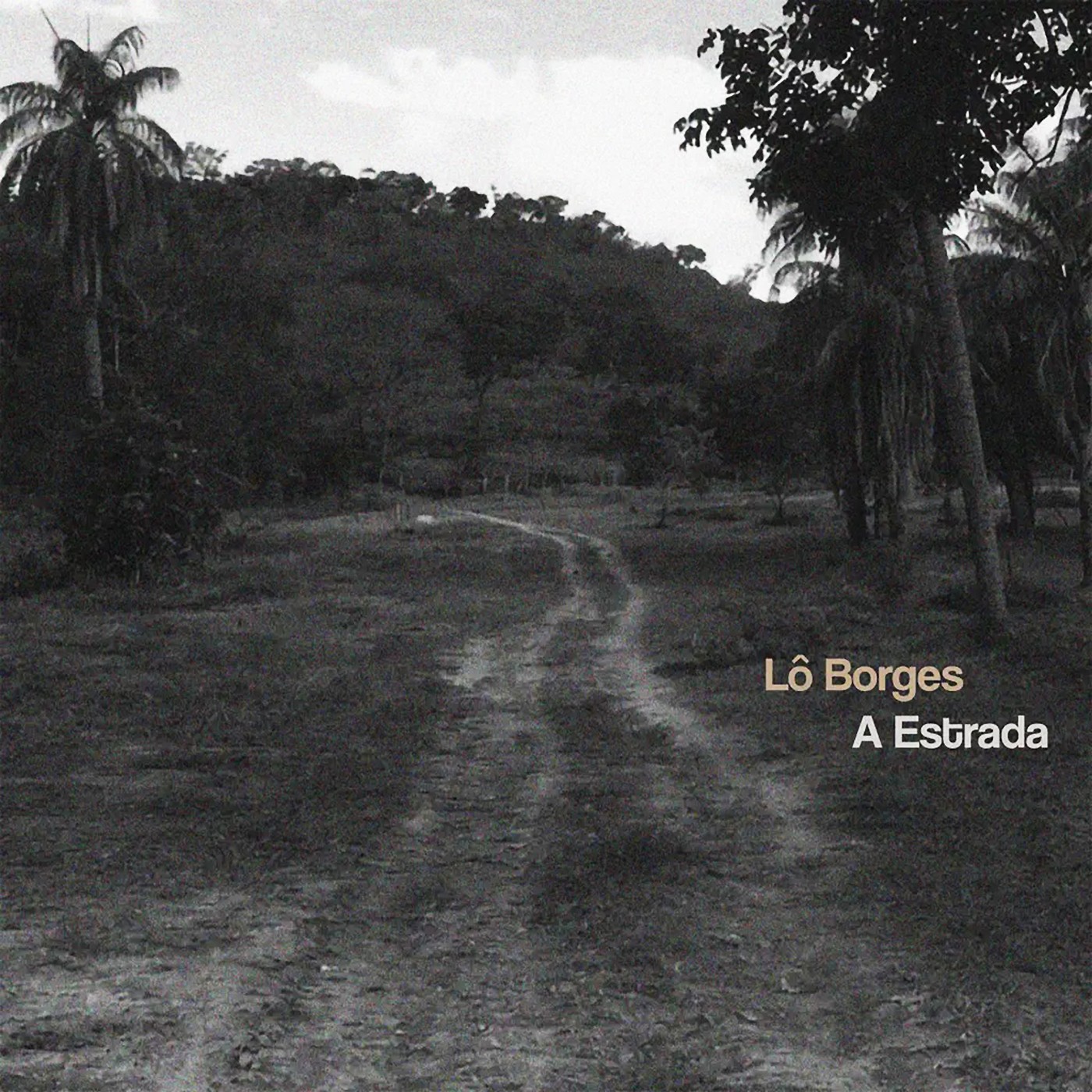
Lô Borges (1952 - 2025) has the posthumous album 'A Estrada' released today, Wednesday, June 10
Flávio Charchar / Disclosure
♫ ALBUM REVIEW
Title: A Estrada
Artist: Lô Borges
Rating: ★ ★ ★ 1/2
♬ In 2023, when Lô Borges and Márcio Borges conceived the album "A Estrada" as the final point of the partnership designed in the 1970s with standards such as "Tudo que Você Pode Ser" (1972) and "Um Girassol da Cor de Seu Cabelo" (1972), the brothers from Minas Gerais certainly never imagined that the album would actually represent the end in every sense.
Salomão Borges Filho (January 10, 1952 - November 2, 2025) left unexpectedly last year, at the age of 73, but had time to prepare the album "A Estrada", released today, Wednesday, June 10, without the physical presence of the singer, composer and multi-instrumentalist immortalized in Brazilian music as Lô Borges. Or simply Lô.
As the single "Campo Alegre KM 500 thousand", released on May 29 as the inappropriate first sample of the album released by the record label Deck, already indicated, the album "A Estrada" offers an off-season of original songs by the artist, but with beautiful moments and songs that sound incredibly premonitory among the ten tracks.
"Finally I arrived / Where I want to be / I completed what I promised / I fulfilled the mission / And I go in peace", reflects Lô in verses from the song "Última para".
Yes, in addition to attesting to the fulfillment of the artist's mission, the album "A Estrada" shows that Lô Borges reached the end of the road with dignity and coherence, without wanting to impress or invent fashion (although there was even a guitar fashion in the vintage...).
There are great flashes of inspiration throughout the repertoire. Of the 10 songs, "Pousada" is the one that stands out right away at the opening of the album with a melody that insinuates itself seductively with Lô's typical DNA.
However, the rural "Chegada" - a track with country architecture strategically placed at the end of the album - also stands out for its beauty and for sounding unusual in the artist's discography. Firstly, due to the fact that it touches on the traditional viola format of the country songbook of rural Brazil, with Tavinho Moura playing ten-string viola and singing voices with Lô in the singing of the verses written by Lô Borges himself, a leap lyricist.
"I was born on that street and I lived on it / After that came the road / And I followed it / It's six o'clock in the morning / The sun has already risen / Learning to breathe / On our planet / Blue" / The song arrived at the front / And then I was born / It's six o'clock in the morning / January it rained / I'm following that road / And I'm on it / These are memories of arriving on our planet / Blue", sing Lô and Tavinho, like two singers from the backlands.
A good part of the songs come from wrapped in a folk atmosphere, like "Sem exit", another highlight of the album recorded in Belo Horizonte (MG) in 2025 with musical production orchestrated by Lô with musicians Henrique Matheus (guitar) and Thiago Corrêa (bass and keyboards). vu in the artist's work.
"Sem exit" is one of the songs that speak literally and metaphorically about the road, giving conceptual meaning to the album about physical and existential paths, as already revealed by the titles of songs such as "Travessia do desert", "18 roda" and "Um Velho Sitting on the Edge of the Road". The artist's partnership with his brother Márcio Borges. However, unlike its predecessors "Harmonia" (2007) and "Much Além do Fim" (2021), "A Estrada" truly represents the end. Borges
Disclosure
Source: G1