Living in the Shit returns after almost 30 years and announces "Corais", a new album that rescues the essence of manguebeat
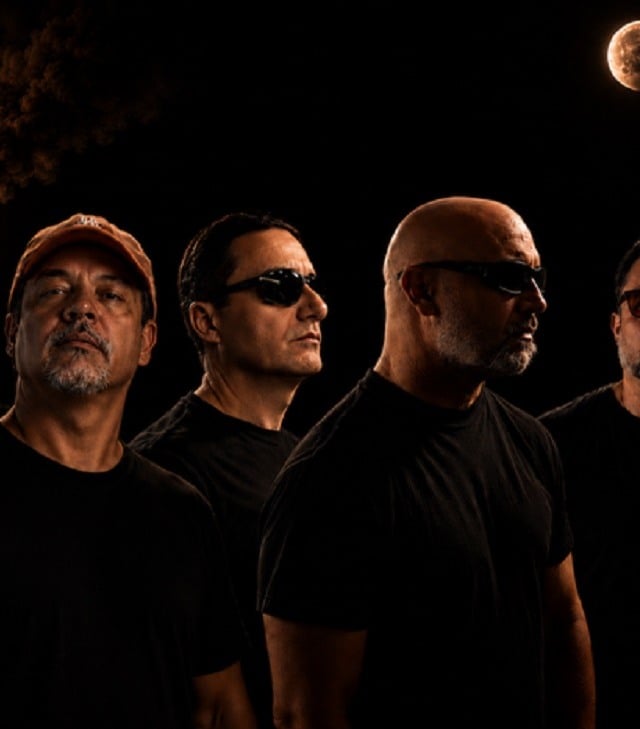
Alagoas band Living in the Shit is officially back. After almost three decades without releasing a studio album, the group announced "Corais", a new album that marks their return to the music scene and promises to unite the past and present of one of the most revered formations in Brazilian alternative music.
Known for its historical connection with the manguebeat movement, Living in the Shit gained prominence in the 1990s by mixing rock, northeastern rhythms, social criticism and sound experimentation. Now, almost 30 years after their best-known work, the band reappears with a project that aims to update their message for the challenges of the contemporary world.
The new album will feature twelve tracks. Half of them will be made up of new songs composed recently, while the other half recovers songs created in the 1990s that had never received definitive recordings. According to the members, the objective was to connect different phases of the group's trajectory without losing its original identity.
Founder Marcelo Quintella explained that the initial idea was just to revisit old saved materials, but the process ended up inspiring the creation of new compositions. In this way, "Corais" became a work that simultaneously dialogues with the band's past and current issues.
The new songs address topics such as misinformation on social media, political polarization, environmental impacts, predatory tourism and the transformations caused by technology in everyday life. The proposal keeps alive the critical tradition that has always accompanied Living in the Shit since its founding.
The album will also feature special appearances by artists such as Wado, Jurandir Bozo, Lore B, Fábio Trummer and Wilson Santos, further expanding the project's musical diversity.
As the first sample of the new work, the band presented the single "Agridoce", a track that anticipates the sound and themes that will be explored in the full album.
For fans who have followed the group's trajectory since the 1990s, their return represents an opportunity for a reunion. For a new generation of listeners, "Corais" appears as the chance to discover a band that helped expand the limits of Brazilian alternative music.