Latam reduces flight offerings in June and July after rising fuel prices, says CEO
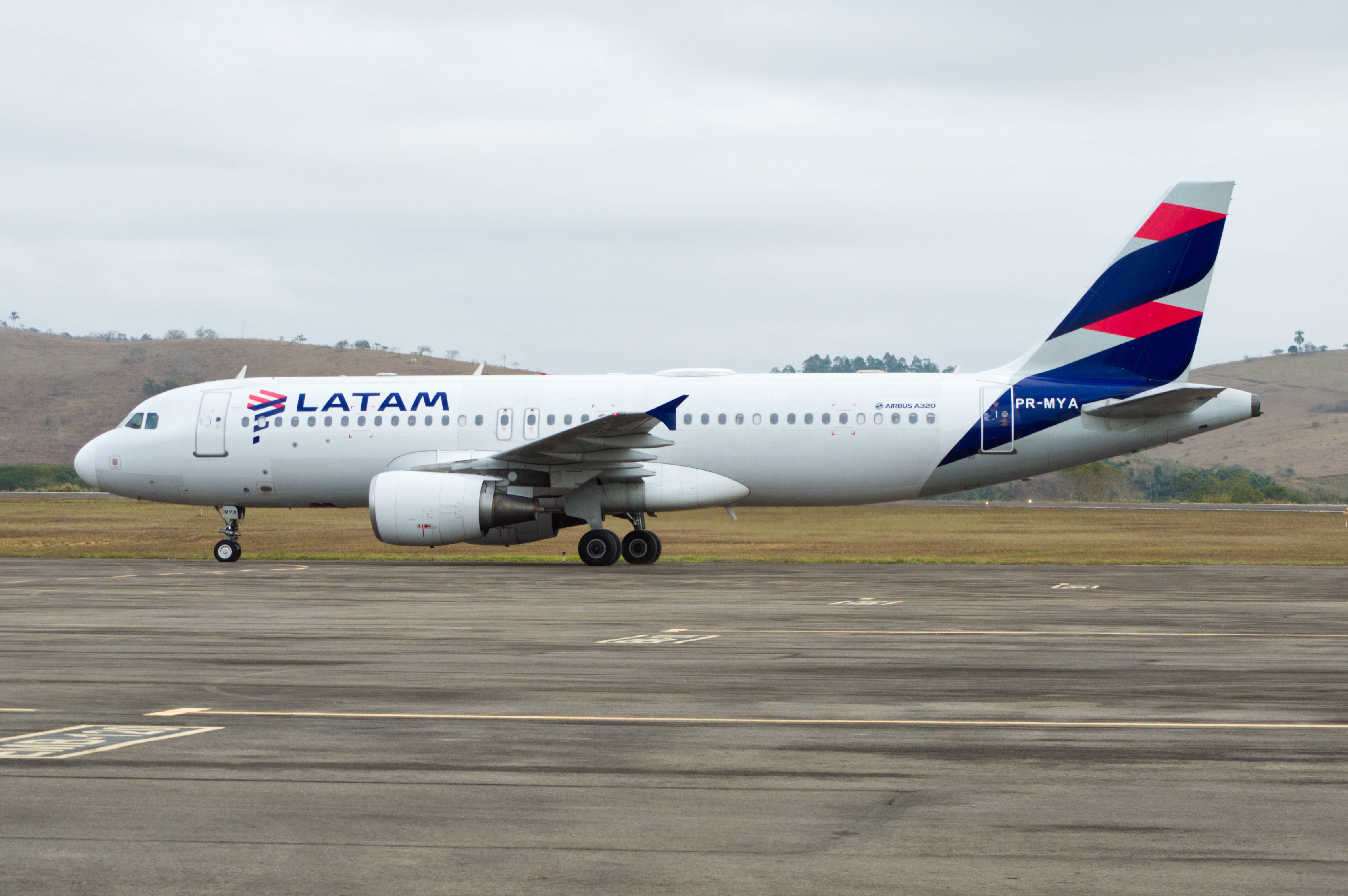
Zona da Mata Airport will have Latam operations resume with new flights to Guarulhos (SP)
Gabriel Magacho/Disclosure Zona da Mata Airport
Latam Brasil will reduce its flight offer by around 3% in July in relation to what it had initially planned for the period. According to the company's executive president, Jerome Cadier, the decision was motivated by the increase in fuel costs, driven by the war in Iran.
In an interview with Reuters during the annual meeting of the International Air Transport Association, held in Rio de Janeiro, Cadier stated that the measure repeats an adjustment already made in June and that the trend is for it to continue during the third quarter.
According to the executive, the company continues to forecast growth in relation to 2025. The initial expectation was increase capacity by 11%, but the pace of expansion will be slower than originally planned.
Last week, Azul also announced that it is intensifying cuts in flight offerings due to rising aviation fuel prices.
Now on g1
According to the company's chief executive, John Rodgerson, the company will continue to reduce flights to preserve cash in a scenario of uncertainty.
Rodgerson told Reuters that the largest companies in the sector have been readjusting capacity to better align with demand in the face of higher cost levels, and Azul will follow suit, going beyond previous cuts as the conflict drags on.
Surge in aviation kerosene
At the end of May, the government renewed subsidies for aviation kerosene, which is a sensitive input for the sector, given that, according to the Brazilian Association of Airlines (Abear), it now represents around 45% of airlines' operating costs.
On the first day of June, Petrobras announced that it will reduce the average selling price of aviation kerosene (QAV) to distributors by 14.2%. This corresponds to a decrease of R$0.93 per liter compared to the previous month, the state-owned company said in a statement.
European airlines began to raise prices and cut flights after the rise in aviation kerosene, pressured by the war in the Middle East. Companies in Asia follow the same path and have already announced fare adjustments.
The Scandinavian SAS canceled hundreds of flights in March and announced a temporary increase in fares to compensate for the rise in fuel prices. Most of the suspensions affect domestic routes in Norway, with a smaller impact on Sweden and Denmark.
Other European giants, such as Air France-KLM and Lufthansa, also face cost pressure. Part of the impact is cushioned by hedging contracts - advance purchase of fuel at fixed prices -, but the effect of the increase is already beginning to appear in fares.
The movement could directly impact Brazilians, who frequently use European companies on international flights.
Source: G1