'Largest criminal organization in the Western Hemisphere': PCC puts Brazil at the center of Trump's strategy for the Americas
USA sanctions Brazilians for alleged connection with PCC
The US government considers the Primeiro Comando da Capital (PCC) faction as "the largest criminal organization in the Western Hemisphere", according to a document published on Wednesday (1st) by the US Treasury Department.
"The PCC is today the largest transnational criminal organization in the Western Hemisphere and, in recent years, has expanded its operations globally, with a significant presence in countries such as the United Kingdom, Turkey and Japan. represents a real and growing criminal threat", says the statement.
✅ Follow the g1 international news channel on WhatsApp
In the document, the US Treasury informs that it has imposed sanctions against two Brazilians and three Brazilian companies for links to a PCC money laundering scheme - in the first round of sanctions since May, when the faction was classified as a terrorist organization by US authorities.
The mention of the term "Western Hemisphere" in the statement is yet another indication that the Trump administration is focused on its new strategy for Latin America.
Also in January, the United States Department of War published the new "US National Defense Strategy", with the aim of ensuring full military and commercial dominance "from the Arctic to South America".
In the document, the United States states that it is willing to collaborate with countries on the American continent. On the other hand, they warn that they can opt for military actions wherever and whenever they judge that North American interests are not being met.
When the strategy was announced, the War Department used as an example the military operation that captured former Venezuelan dictator Nicolás Maduro - accused of commanding the Cartel de los Soles, considered terrorist by the USA.
According to the document, the United States will seek "peace through force". The motto has been used by the Trump administration since the beginning of the Republican's second term. The fight against so-called "narco-terrorism" plays a central role in this strategy.
The US stated that it reserves the right to carry out direct military attacks against narco-terrorist organizations anywhere in the Americas.
The War Department also said that it wants to help allies develop the capacity to dismantle Latin American drug cartels.
Among other points of the strategy are combating illegal immigration and containing China's influence in the region.
Policy strategy external
In December 2024, the White House released another document to outline the new Foreign Policy Strategy. In it, the Trump administration indicated that it would focus more on Latin America.
According to the strategy, the United States will begin to readjust its military presence in other countries to face "urgent threats" in the Western Hemisphere. The objectives would be linked to national security issues.
The document states that the military realignment in Latin America will be based on three main elements:
expanding the presence of the Coast Guard and the Navy to control maritime routes, combat illegal immigration and reduce drug and human trafficking;
strengthening border protection and intensifying the fight against drug cartels, including the use of lethal force in some cases;
establishing or expanding US access to locations considered strategic in the region.
The strategy also says that the US seeks to "reaffirm and apply the Monroe Doctrine to restore American predominance in the Western Hemisphere", with a "powerful resumption" of influence over the region.
The focus would be on combating Chinese advances in the region.
Created by American President James Monroe, the doctrine provides for "America for the Americans", according to which any attempt at "recolonization" by other countries would be seen as a direct threat to the USA.
PCC and CV on the radar
In May, when it classified PCC and Comando Vermelho (CV) as terrorist organizations, the USA justified the decision by claiming that the two factions are among "the most violent criminal organizations in Brazil" and said that the groups "command thousands of members" and are responsible for "brutal attacks" against police officers, public authorities and civilians.
At the time, Secretary Marco Rubio stated that the actions of the factions went beyond Brazilian borders and reached other countries in the region and the United States: "The Trump administration will continue to use all available tools to protect our national security interests and cut off funding and resources from narco-terrorists."
The American government also said that the measure reinforced the Trump administration's commitment to "dismantle cartels and criminal organizations" in the region.
The Brazilian government acted to try to prevent the United States from adopting the measure. President Lula even criticized the decision, defended sovereignty and even stated that Brazil did not accept being "treated like a brat".
The assessment at Palácio do Planalto is that classification as a terrorist group would open the door for tougher actions by the United States.
In an extreme scenario, the Americans could use this argument to conduct a military operation in Brazil, as has already occurred in other countries.
Public security experts also argue that Brazilian legislation to combat criminal factions provides harsher penalties than the anti-terrorism law.
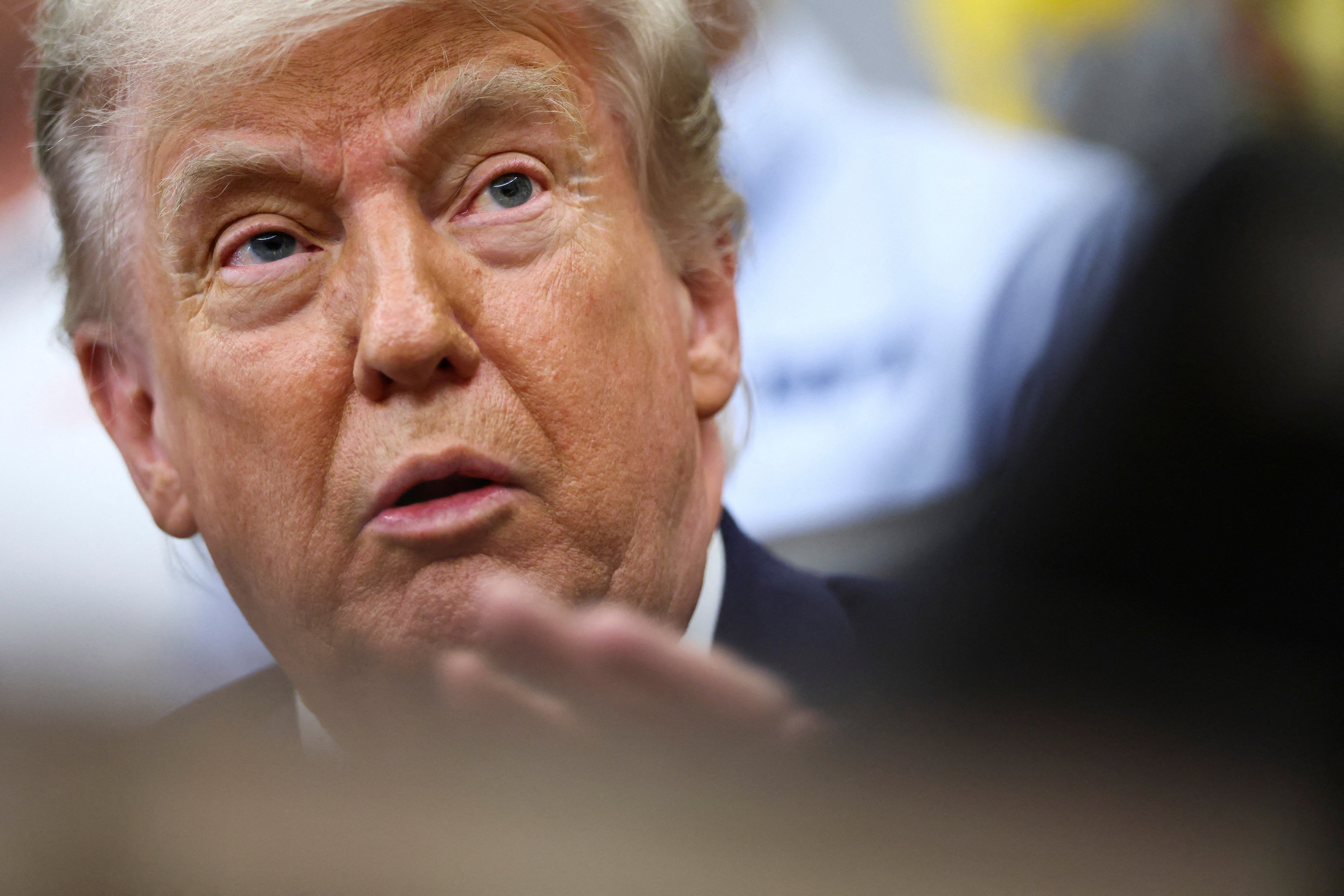
Trump in the Oval Office on May 21, 2026
REUTERS/Kevin Lamarque/File Photo
VIDEOS: now on g1
Now on g1
Source: G1