John Waters reveals the only task he would use artificial intelligence for - and it has nothing to do with writing screenplays
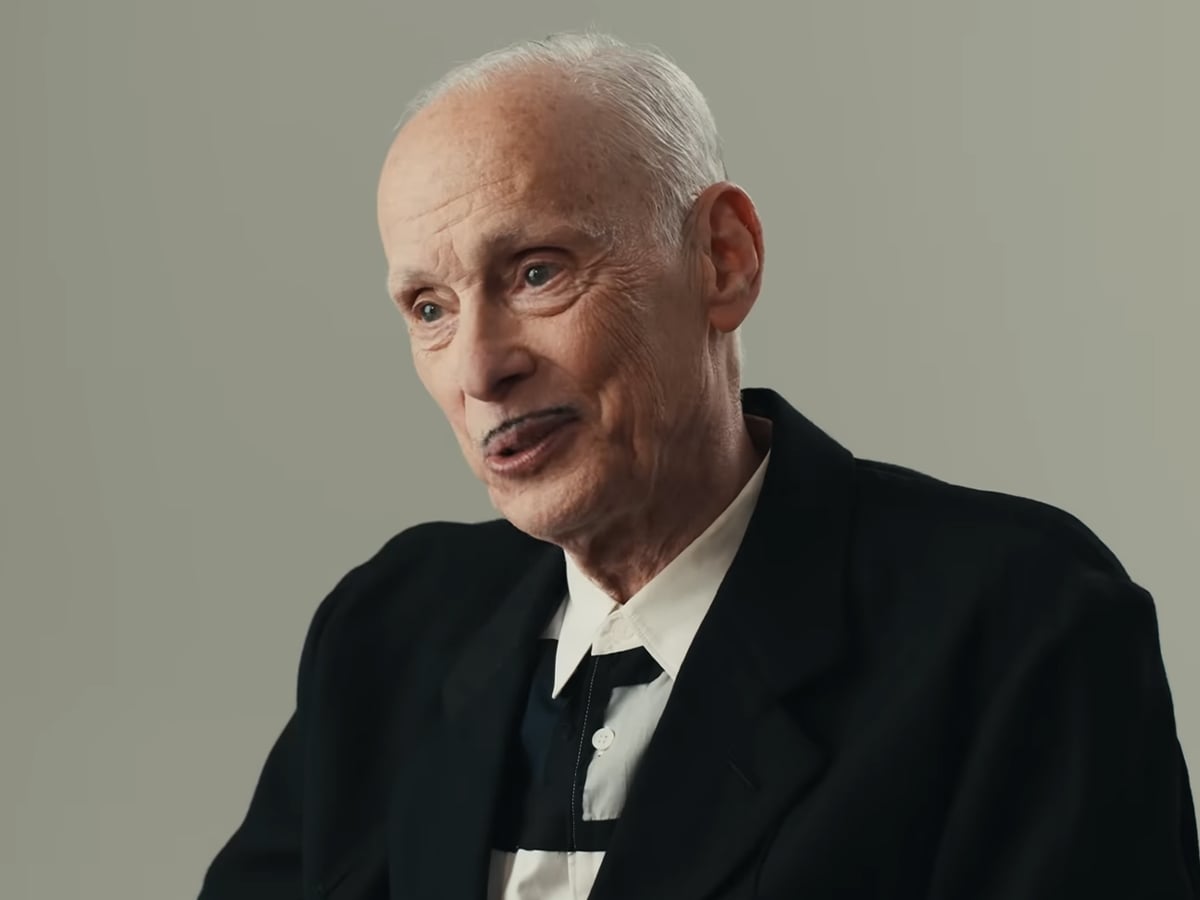
While many artists and creative professionals discuss the impacts of artificial intelligence on the future of art, filmmaker John Waters presented a very different view on the subject. Known for his provocative humor and cult films such as "Pink Flamingos" and "Hairspray", the director revealed what would be the only use of AI that really interests him.
The article delivers exactly what the title promises: John Waters stated that he would use artificial intelligence to organize, catalog and manage his huge personal files, but not to write scripts, books or creative projects.
During a conversation about technology and creativity, Waters explained that he sees no point in using artificial intelligence to replace artistic work. According to him, much of the grace of creation lies precisely in the errors, imperfections and human experiences that shape a work.
The director highlighted that writing stories, developing characters and creating original ideas are activities deeply linked to the personality of each artist. Therefore, he has no interest in delegating these functions to algorithms.
On the other hand, Waters recognizes that technology can be extremely useful in administrative and organizational tasks. Over his decades-long career, he accumulated photographs, documents, notes, newspaper clippings, scripts and various materials related to his projects.
According to the filmmaker, artificial intelligence could help organize this gigantic collection much more efficiently than traditional methods.
The statement comes at a time when Hollywood is intensely debating the use of AI in audiovisual production. Scriptwriters, actors and directors have been expressing concerns about the possible impacts of technology on jobs and copyrights.
Even though he recognizes some practical applications of the tool, Waters makes it clear that he believes genuine creativity remains an exclusively human characteristic.
For him, technology should serve as operational support and not as a substitute for artistic imagination.