It's time to "charge the batteries" of the energy transition in Brazil
Brazil's energy transition is experiencing a decisive moment. In recent years, the country has made consistent progress in expanding renewable sources. Currently, solar is the second largest in the Brazilian electrical matrix, in terms of installed power. This photovoltaic diversification brought relevant benefits to consumers, productive sectors and the economy itself, with greater supply autonomy, cost reduction, investment attraction, job creation and democratization of access to clean and cheap energy.
At the same time, the success of renewables began to require a new paradigm for the infrastructure and operational logic of the electrical system. Phenomena such as cuts in renewable generation (curtailment), limitations in electrical networks, the growing need for operational flexibility and bottlenecks in inverting power flow in distribution signal that Brazil's current challenge is no longer just expanding renewable generation. It has become essential to modernize the electrical infrastructure in a coordinated and planned manner, both to welcome new large consumers and generators, and to operate properly in an increasingly decentralized, digitalized and dynamic environment.
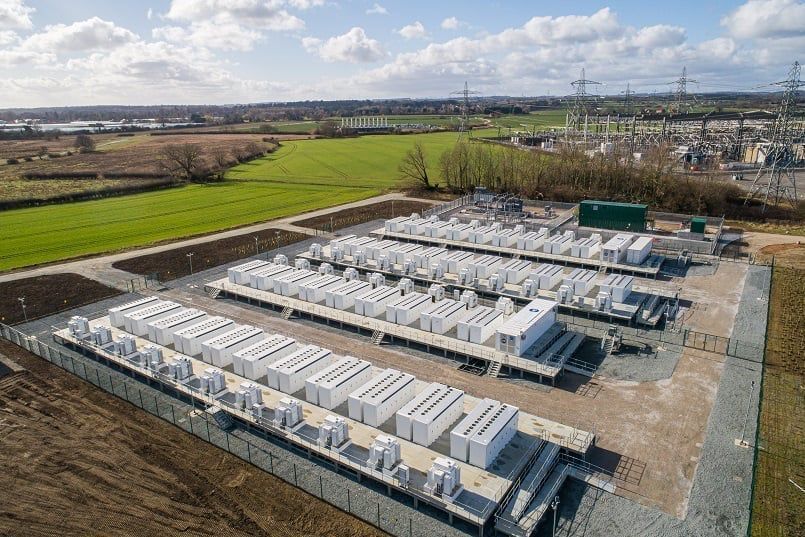
In this context, battery storage gains prominence as a strategic and systemic solution for the future of the electricity sector. These technologies represent, today, one of the most efficient alternatives for improving the use of energy in time and space. In practice, batteries make it possible to store electricity generated in times of abundant supply, for use at times of highest consumption. They also increase the operational flexibility of the system, reduce waste, improve network stability, and increase the efficiency of the existing electrical infrastructure.
By saving available solar generation and allowing its use at other times of the day or night, batteries help to balance the electrical flow of the networks, reduce overloads and expand the integration capacity of new renewable plants in the country.
This role becomes even more relevant in light of generation cuts. The phenomenon has caused billions of dollars in clean energy losses in the country and made new investments in clean generation unfeasible. In this scenario, batteries function as a fundamental tool to preserve renewable energy, reduce waste and increase the efficiency of the national electrical system.
The economic and environmental benefits of this technology are also significant. According to a study by consultancy Cela (Clean Energy Latin America), storage systems can reduce the costs of contracting reserve capacity by up to 48% and reduce greenhouse gas emissions by up to 66%, compared to fossil thermoelectric plants, which are more expensive and polluting.
In several countries, these technologies are already used for frequency control, voltage support, capacity reserve, network stability, operational flexibility, systemic resilience and rapid response to critical events. In Brazil, however, its application still remains restricted to a few isolated cases, despite the enormous potential for expansion.
The international scenario reinforces the dimension of this transformation. According to data from BloombergNEF, global installed battery capacity jumped from around 1 GW in 2013 to more than 85 GW in 2023. At the same time, technology costs have been falling rapidly, making storage increasingly more economically competitive.
In the Brazilian case, there is an abundance of renewable resources, a relevant and expanding consumer market, increasing digitalization of the electrical sector and the need to expand and modernize electrical infrastructure. Projections by the Energy Research Company (EPE), in the Ten-Year Energy Plan 2035, conservatively indicate potential for around 10 GW between storage and demand response mechanisms in the coming years. But Brazil can go much further than that, in much less time.
Transforming this potential into reality will require urgent advances in the regulatory environment. Today, the absence of specific rules still represents one of the main obstacles to the development of the battery storage market.
Regulation needs to adequately recognize the multifunctional nature of batteries, allowing remuneration for the various services provided to the electrical system, such as operational flexibility, ancillary services, energy security and integration of renewable sources.
The conclusion of Aneel Public Consultation No. 039/2023 became essential to unlock investments and offer predictability to sector agents. Storage cannot continue in a regulatory "grey zone." It is necessary to establish a modern, stable and compatible regulatory framework with the needs of the new electrical matrix. Aneel's board of directors needs to deliberate this matter as soon as possible and approve a normative resolution that serves as a structural pillar for storage.
In the same way, it is essential that the Ministry of Mines and Energy publishes the ordinance with the guidelines for holding the first Storage Capacity Reserve Auction. This auction, promised by the Federal Government for the year 2026, will represent a new paradigm for the advancement of storage technology in the national electricity sector.
Other important measures include operationalizing access to the Special Incentive Regime for Infrastructure Development (Reidi) for storage projects, enabling the use of incentivized debentures for batteries and reducing the tax burden on storage systems, which exceeds 70%, a percentage incompatible with the strategic role of storage in Brazil's energy transition. These initiatives could significantly accelerate the attraction of investments, expand the scale of the market and strengthen national job creation.
This debate gains even more relevance in this election year, when Brazil discusses the direction of its infrastructure, economic competitiveness and energy security for the coming decades. The development of the storage market needs to definitely enter the national agenda and integrate the government programs of candidates who intend to lead the country, regardless of party or ideological preferences.
Now, it's time to "charge the batteries" of Brazil's energy transition.
* Bárbara Rubim is president of the Board of Directors of Absolar (Brazilian Photovoltaic Solar Energy Association) and Rodrigo Sauaia is CEO of Absolar
The articles published by CNN Infra seek to stimulate debate, reflection and shed light on views on the main challenges, problems and solutions faced by Brazil and other countries around the world. The texts published in this space do not necessarily reflect the opinion of CNN Brasil.
Source: CNN