Is ChatGPT dying or becoming too complex for the average user?
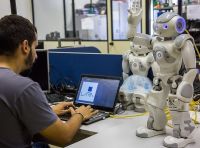
The idea that ChatGPT "is dead" has gained traction in online forums and social networks, driven by users reporting changes in the model's behavior. As OpenAI makes structural changes to the tool, the narrative may be following a familiar pattern in the technology innovation cycle.
Among the recent changes to the OpenAI ecosystem is the incorporation of automation capabilities and code agents, such as Codex, that extend ChatGPT's ability to perform tasks beyond conversation. However, even when incremental, these changes reconfigure the user experience.
The quest to recover the functionality, autonomy and focus of previous experience can even generate a kind of functional nostalgia for simpler versions - even when technically inferior. In practice, it is a type of mourning for the strangeness of the model's new behavior.
Behind the scenes in the sector, the predominant reading is that the product is not being emptied, but rather expanded. The evolution points towards more autonomous and integrated systems, but without the "traditional" GPT Chat in any way taking a backseat.
The report found that, even following a global trend for agents capable of interpreting context, anticipating needs and acting continuously, the expectation is that conversational interaction will remain predominant, especially in tasks that require explanation, personalization or validation.
With great resources come great complexities
As ChatGPT takes on new capabilities, keeping up with it starts to demand more from the user - Freepik
With the launch of GPT-5.5 Instant on May 5, 2026 - amid expectations of a possible IPO - OpenAI is betting on systems capable of understanding context continuously, analyzing user history, preferences and behavior patterns, to make more informed and relevant decisions without relying solely on specific instructions.
With this, ChatGPT can automate practical tasks such as organizing an agenda, prioritizing emails, analyzing documents and executing digital routines, significantly expanding its presence in the daily lives of common users and also in more complex professional environments.
Although inevitable, evolution ends up generating a side effect, known in digital product management as feature creep: the excessive accumulation of new tools and functions in a software or digital platform that, although useful in isolation, can hinder the experience of the average user.
In the case of ChatGPT, this manifests itself in users looking for quick and objective answers. They may find themselves faced with a more complex system than is necessary for simple everyday tasks. The problem is not capacity, but the increased cognitive load required.
Always evolve, but without ever losing accessibility
AI products need to balance increasing capacity and simplicity of user interaction - Diana.Grytsku/Magnific
The move integrates OpenAI's strategy of moving into a new phase of AI, focusing on autonomous task execution and integration into real workflows. The central challenge, however, remains in the user experience, especially in the ease and clarity of user interaction.
Artificial intelligence products need to balance two opposing forces: increasing capacity and simplicity of interaction. This need intensifies for a brand that has become synonymous with the use of AI, with nearly 1 billion active users per week, according to Sensor Tower.
In practice, the tension begins to materialize in the way the product is perceived outside technical circles. As new functions are added, the simple and direct chat is giving way to something more complex, with a platform feel. This naturally affects people's expectations.
As regulators seek to mitigate potential risks to privacy and data security, the average user resents the loss of the current "chat" format. He fears that the end of this sometimes friendly and fun dialogue could give way to more technical and less accessible interactions.
Study: ChatGPT can be more persuasive than humans in discussions
Source: CNN