Iranian singer is sentenced to more than 70 lashes for performing without a hijab on live
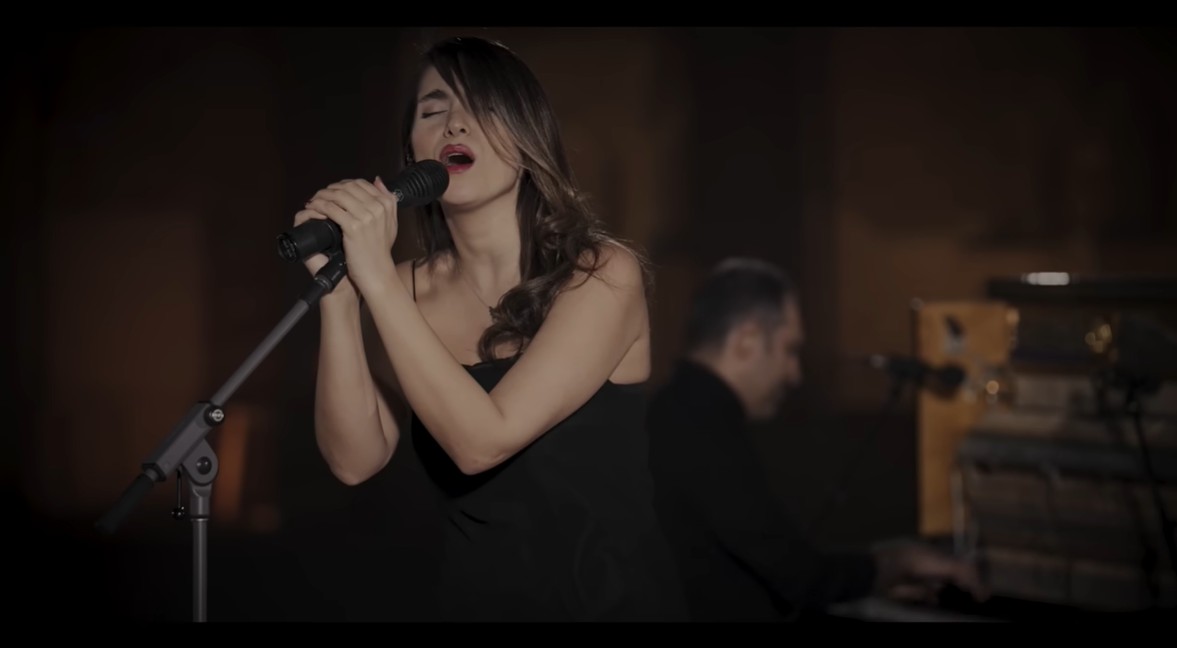
Iranian singer Parastoo Ahmadi performed the patriotic song Az Khoone Javanane Vatan (Of the Blood of the Youth of the Fatherland) without a hijab in a live-streamed performance that went viral.
Reproduction/Youtube
Iranian singer Parastoo Ahmadi and eight members of a production team, including musicians, were reportedly sentenced to 74 lashes for performing a live-streamed concert on Ahmadi's YouTube channel in 2024, according to "The Guardian" newspaper.
In December 2024, the 29-year-old singer performed the patriotic song Az Khoone Javanane Vatan (From the Blood of the Youth of the Fatherland) without a hijab in a live-streamed performance that went viral.
According to the publication, the Qom provincial criminal court sentenced the artists to flogging, a two-year ban on leaving the country and engaging in artistic activities, on charges that include offending public morals through the production and publication of "vulgar and immoral content" online.
Now on g1
She was briefly detained along with several musicians shortly after the release, before being released. Authorities later opened formal proceedings over the publication of the video, which has since racked up millions of views on YouTube.
Bahar Ghandehari, advocacy director of the US-based Center for Human Rights in Iran, said that "Ahmadi's punishment with 74 lashes just for singing and appearing without hijab is yet another reminder that human rights conditions in Iran have not changed despite the wartime propaganda campaign conducted by Iranian authorities to improve its image."
Also read: Trump says the US will not pay US$300 billion to rebuild Iran; value appears in the peace agreement
Israel defies the peace agreement between Iran and the USA and publishes a map showing occupied territory in Lebanon
For Moein Khazaeli, a human rights lawyer at Dadban, a legal advice center for Iranian activists, the sentence has no legal basis. "Singing, performing musically, and producing or disseminating musical works by women are not activities criminalized under Iranian criminal law. Consequently, such activities cannot reasonably be interpreted as 'producing, distributing, or publishing obscene content,'" it said.
Source: G1