Iran and Oman hold first committee meeting on Hormuz, says Gharibabadi
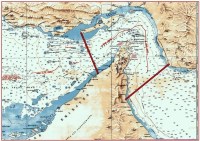
Iran and Oman held the first meeting of a joint committee on the Strait of Hormuz, in Muscat, Iran's deputy foreign minister reported on Monday (29) on his account on the social network X.
Kazem Gharibabadi said the two countries exchanged views on the sovereign rights of the Gulf coastal states, as well as the future administration of the strait, based on the interim agreement signed this month between Tehran and Washington.
در سفر به مسقط، اولین نشست کمیته مشترک هرمز با عبدالعزیز الهنایی، وزیر مشاور در امور خارجه عمان برگزار شد. ضمن مرور مسائل جاری در رابطه با تنگه، درباره مدیریت آینده تنگه در چارچوب بند پنج یادداشت تفاهم اسلام آباد و حقوق حاکمیتی دولتهای ساحلی تبادل نظر کردیم. pic.twitter.com/m26EBHWwhn
- Gharibabadi (@Gharibabadi) June 29, 2026
"During the trip to Muscat, the first meeting of the Joint Committee on the Strait of Hormuz was held, with the participation of Abbas Araghchi, Minister of Foreign Affairs of Iran, and Badr Albusaidi, Minister of Foreign Affairs of Oman. In addition to reviewing ongoing issues related to the Strait, we exchanged views, within the framework of the five axes of the memorandum of understanding, on the future management of this waterway and on the sovereign rights of coastal States," wrote Gharibabadi.
In total, 124 commodity ships have crossed the Strait of Hormuz since Thursday (25), according to Kpler, a data intelligence company that monitors global shipping and commodity flows.
The number of vessels that passed through the strait in four days is already similar to the volume that used to transit in just one day before the war. Kpler data shows that more than 100 ships crossed the Strait of Hormuz daily before the conflict began.
Kpler data tracks ships carrying commodities such as oil tankers, bulk carriers, liquefied natural gas (LNG) vessels and liquefied petroleum gas (LPG) vessels, but does not include container ships.
Maritime traffic in the Strait of Hormuz, through which around a fifth of the oil and liquefied natural gas transported in the world passes, remains reduced following the escalation of tensions in the region. In recent days, the United States and Iran have exchanged attacks near the strait, and American military installations in Gulf countries have also been targeted.
Although a member of President Donald Trump's administration said on Sunday that "vessels can freely sail" through the strait, the situation in the waterway remains tense, leaving commercial ship operators and their crews facing uncertainty and risks.
*with information from Kathleen Magramo, CNN, and Reuters
Why is the Strait of Hormuz so important to the world economy?
Source: CNN