Internet use reaches 90.5% of Brazilians, and the difference falls between urban and rural areas, says IBGE
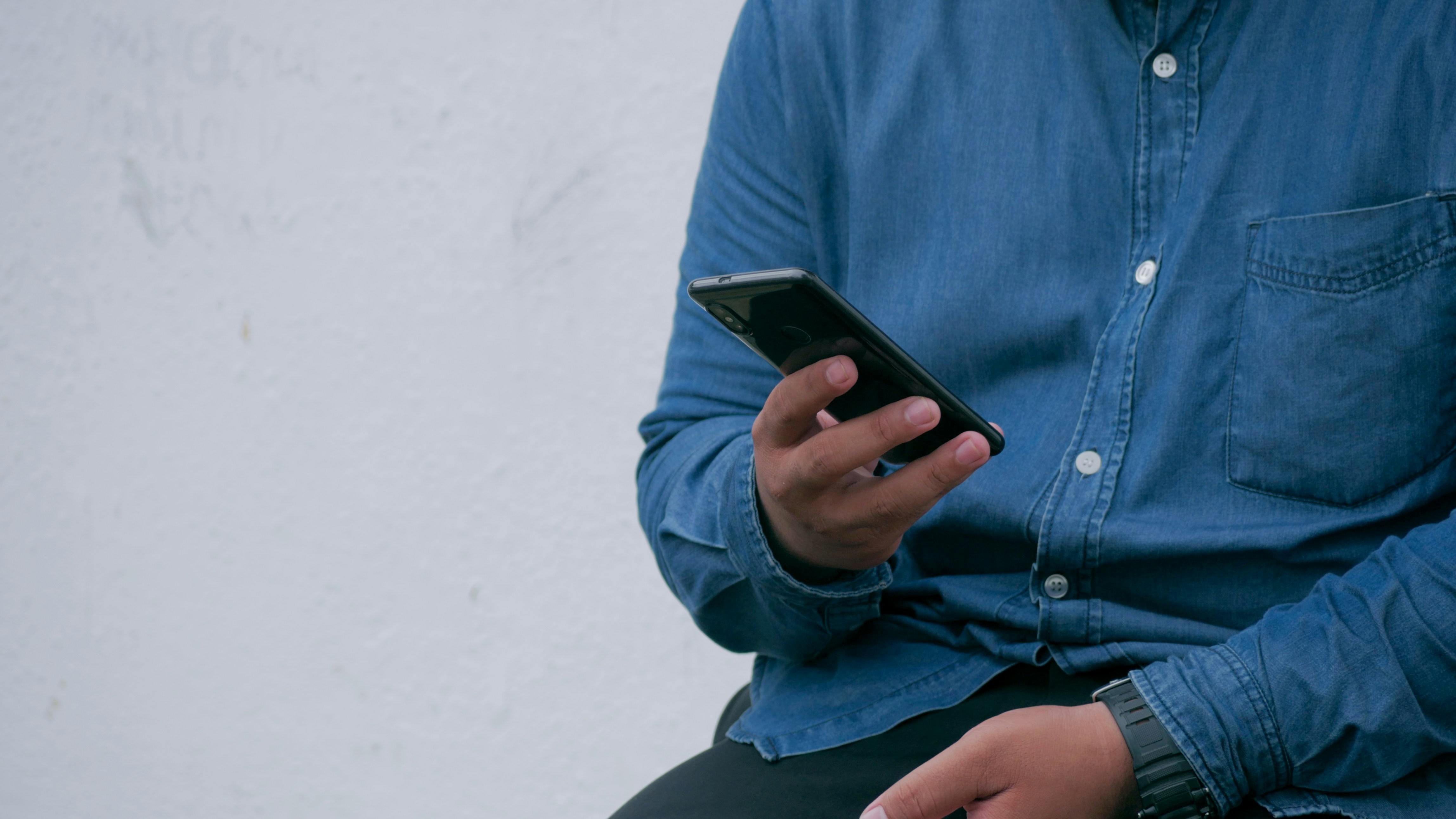
According to IBGE, 168.7 million people use the internet in Brazil in 2025
Reproduction/Unsplash
Internet use reached 90.5% of the Brazilian population aged 10 or over in 2025, according to the Continuous National Household Sample Survey, published this Thursday (2) by the Brazilian Institute of Geography and Statistics (IBGE).
In practice, 168.7 million people use the internet in Brazil, based on access made in the 90 days prior to the interviews. This is a new high for the index, which reached 89.2% of the population in 2024, according to IBGE.
The main uses of the internet include making voice or video calls (95.3%), exchanging text, voice or image messages (90.2%), watching videos (89.3%), using social networks (84.9%) and listening to music, radio or podcasts (83.7%).
Among internet users in Brazil, 98.7% connect via cell phone. Next are the television (57.8%), the computer (33.4%) and the tablet (9.2%).
Now on g1
Urban areas continue to have greater internet use, but the difference to rural areas has decreased in recent years: the distance fell from 37.5 percentage points in 2016 to 8.5 percentage points in 2025.
Among students, 92.4% used the internet, 97.2% from the private education network and 89.9% from the public network. The difference is greatest among elementary school students and decreases between secondary and higher education students.
According to the survey, 17.7 million people aged 10 or over did not use the internet in 2025. The main reasons were not knowing how to use the network (44.9%) and the lack of need (27.8%).
The survey also showed that 89.8% of people aged 10 or over would have a cell phone in 2025. Among those who did not have the device, the main reasons were not knowing how to use it (31.1%), not seeing the need for it (21.1%) and the high price (14.9%).
Internet use is growing among the elderly
Although it is still the group with the lowest proportion of internet users, the population aged 60 and over recorded the greatest growth in internet use, according to IBGE.
Internet use in this age group grew from 70.1% in 2024 to 74.5% in 2025. Compared to 2019, the increase is even greater, reaching 29.6 percentage points.
The growth in internet use among the elderly may have been caused "by the evolution of facilities for using this technology and its dissemination in everyday society", assesses the IBGE.
Elderly people were also the group with the biggest increase in cell phone use, going from 78.3% in 2024 to 80.3% in 2025. The growth compared to 2019 was 13.6 percentage points.
Concern about children's privacy
The age group from 10 to 13 years old was the only one to record a drop in internet use, going from 84.9% in 2024 to 84.4% in 2025.
Among those who did not use the internet in the period evaluated, the main reasons were lack of need (33.8%), concern about privacy or security (30.3%).
Children aged 10 to 13 also used cell phones less in 2025, going from 56.7% to 55.2%. Concern about privacy and security was the main reason for them not using the device.
Continuous PNAD with data from 2025 also pointed out that:
93.9% of households had a television, which represented stability and interrupted a sequence of declines since 2016, at the beginning of the historical series;
among households with a TV, 85.8% received a digital or analogue signal, 44.4% paid for a video streaming service and 23.5% had a subscription TV service;
38.7% of households had a computer, interrupting the sequence of declines since 2016, at the beginning of the historical series;
11.6% of households had a tablet;
97.4% of households had a cell phone and 5.9% of households had a landline telephone;
46.9% of households had a radio;
among households with internet, 20.2% had some type of smart device.
Source: G1