In response to the Chinese advance, Stellantis announces a plan worth R$348 billion and more than 60 launches by 2030
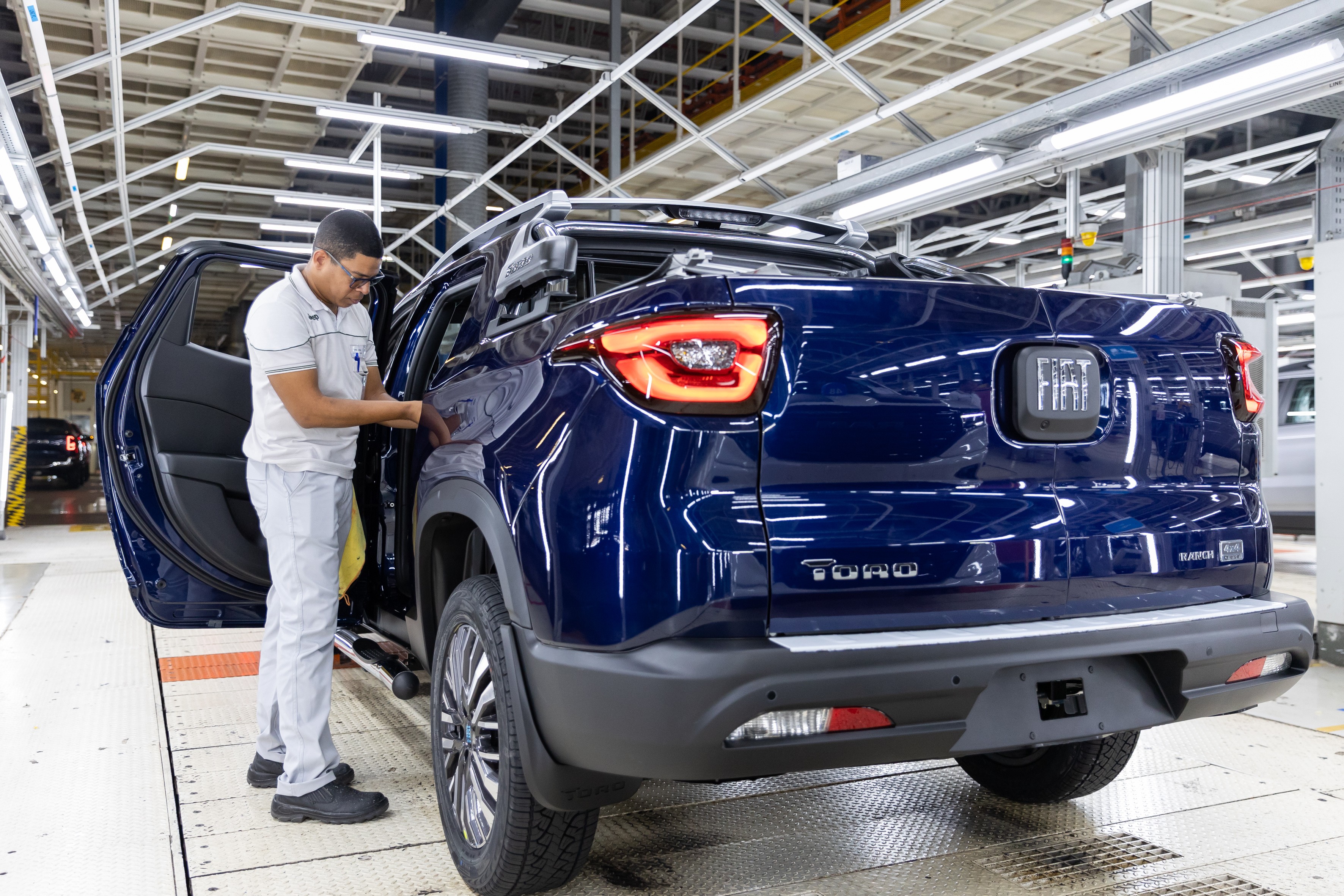
The production line at the Stellantis factory in Goiana (PE) has Fiat, Jeep and RAM products
Disclosure / Stellantis
Stellantis announced this Thursday (21) an investment plan of 60 billion euros (around R$349 billion) until 2030 to try to resume growth after recording billion-dollar losses in 2025.
Owner of brands such as Jeep, Fiat, Peugeot and Ram, the automaker wants to cut costs, make production more efficient and reinforce its position in the face of the advancement of Chinese manufacturers.
Download GloboPop to watch short vertical videos from Globo
The announcement was made during the company's Investor Day, held in Auburn Hills, in the United States, a city neighboring Detroit.
The plan is considered the first major measure presented by Stellantis CEO, Antonio Filosa, since taking charge of the company.
Entrepreneur's guide: Extra income vs main business
As part of the strategy, Stellantis intends to reduce its production capacity in Europe by more than 800 thousand vehicles by 2030. The measure involves reorganizing factories and reducing idle structures to increase operational efficiency.
The company will also expand partnerships with Chinese automakers, such as Leapmotor and Dongfeng Motor Corporation, which will participate in the production of vehicles in units located in Spain and France.
In addition, the company stated that it intends to launch at least 60 new vehicles by the end of the decade, including restylings and new models. Despite the restructuring, Stellantis said it intends to preserve industrial jobs.
The market, however, reacted negatively to the announcement. The automaker's shares fell more than 6% on the Paris Stock Exchange after the presentation of the plan.
The new strategy comes after a difficult year for the company. In 2025, Stellantis had a net loss of 25.4 billion euros (around R$153.9 billion), mainly impacted by the slowdown in the electric car market and the review of investments in the sector.
The result reinforced the difficulties faced by global automakers in the transition from combustion vehicles to electric models, especially after the United States and Europe reduced targets for fleet electrification.
*With information from the agency France Presse
Source: G1