'I consume it every day and I didn't know it was from Brazil': businesswoman says the Trump administration was unaware of the importance of national honey for the USA
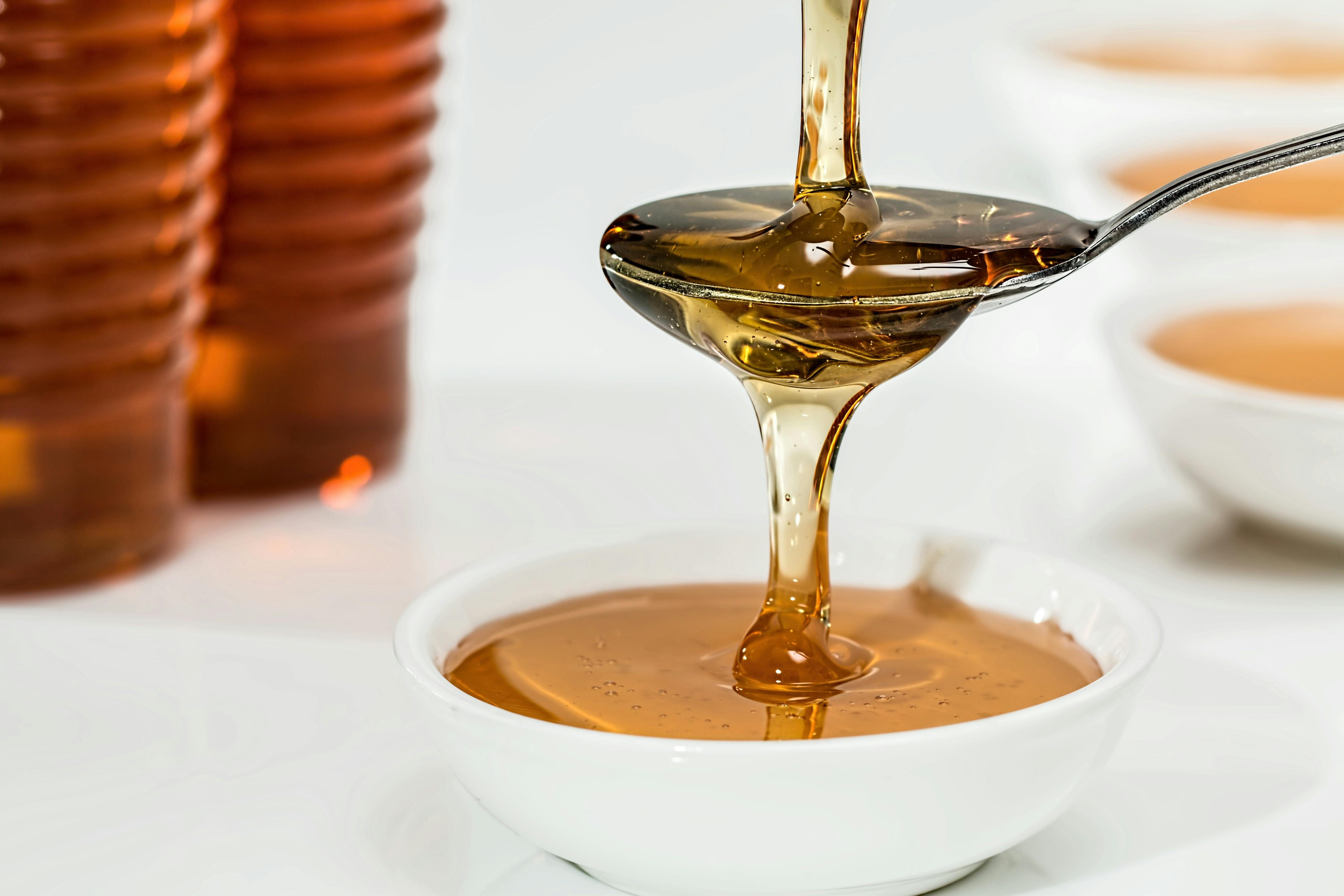
Around 83% of organic honey imported by the USA is Brazilian. Considering only conventional honey, 75% of American imports originate in Brazil.
Pixabay/Pexels
"I consume this honey every day and I didn't know it came from Brazil."
This is one of the phrases that businesswoman Joelma Lambertucci de Brito heard from one of the members of the American government this year, during lobbying work to defend the inclusion of honey in the list of exemptions from the new round of tariffs proposed by Donald Trump.
On June 1, Trump proposed 25% tariffs on Brazilian goods, following an investigation into different topics, such as illegal deforestation, piracy and PIX.
The following day, he announced additional taxes on 12.5% for 60 countries for failures to combat forced labor, including Brazil.
On the 6th, the businesswoman will participate in a public hearing, in Washington, to defend the Brazilian product. Having been in the honey and propolis market for 35 years, Brito runs Lambertucci Trade Solution, specialized in facilitating the entry of national honey into other countries.
Trump accuses Brazil of forced labor in livestock farming, but exempts beef from the new tariff
In the USA, she has already participated in meetings with the Department of Agriculture (USDA) and the US Office of Trade (USTR), which proposed the tariffs. In these meetings, it became clear to the businesswoman that honey was not included in the list of exemptions due to a lack of knowledge of what the Brazilian product represents for the American market.
To give you an idea, around 83% of organic honey imported by the USA is Brazilian. Considering only conventional honey, 75% of American imports originate in Brazil.
"When we sat down at the table to negotiate, they had no idea [...]. They usually look at the brand of honey, but they don't look at the country of origin", says Brito, explaining that these conversations were part of a larger action led by the Brazilian Trade and Investment Promotion Agency (Apex-Brasil).
According to the businesswoman, the lack of knowledge happens because the Brazilian sector and government failed in publicizing the importance of Brazilian products for this market. "It's no use simply being the biggest supplier, you have to really propagate it", he comments.
"Everyone [in the USA] knows that meat comes from Brazil, that coffee comes from Brazil. Because there is a group that does very good lobbying", says the businesswoman.
Now, the sector is racing against time to try to reverse the measure. At the hearing, in addition to the businesswoman, American honey importers will also defend the Brazilian product, in addition to the Brazilian Association of Honey Exporters (Abemel) itself.
One of the lines of defense will be to show the size of honey imports by the USA, but also other points, such as:
The fact that there is no competition with the American producer in organic honey: while American beekeeping is mainly focused on pollination and conventional honey, Brazil has ideal conditions to produce organic honey. One of them is the presence of Africanized bees, which are more resistant to diseases, which eliminates the need to use antibiotics and acaricides.
The direct impact on the consumer: the imposition of tariffs should cause an increase in prices and even a lack of organic honey on American shelves. As there is not enough domestic production to meet demand, US consumers would be the main losers.
The difficulty of substitution: Brito explains that converting an area from conventional production to organic requires, at least, a year of transition. This means that the US would not be able to replace Brazilian supplies with another country in the short term.
The risk of losses and job losses in the US: this point of the defense will rely on the testimony of American importers, who have greater political weight.
They must argue that the tariffs will generate loss of revenue for companies and job cuts.
More about the hearing:
Largest US fish association will defend Brazilian product in hearing
Individual coffee sector goes to the US to ask for a review of new tariffs: 'There is no logic'
Sector tries to avoid new losses
Honey is one of the sectors most affected by Trump's successive tariffs since last year. The measure especially impacted producers in Piauí, the largest Brazilian exporter of the product and highly dependent on the USA.
In 2024, 85% of the honey exported by the state was destined for the American market.
In 2025, the sector was overtaxed by 50% by Trump, which led to the cancellation of hundreds of tons of sales and caused financial losses to thousands of beekeeping families. In the state, beekeeping is a source of income for more than 40 thousand families.
Now, the expectation is to avoid a new scenario of losses. "Let's believe that we will get this exemption", says the Lambertucci businesswoman.
"But if we don't get it, we will continue our lobbying work with opinion makers in Washington. This must be continuous to improve the support network for Brazilian honey", she concludes.
Source: G1