How The Endless Movie Inspired Neil Young to Create One of His Most Underrated Masterpieces
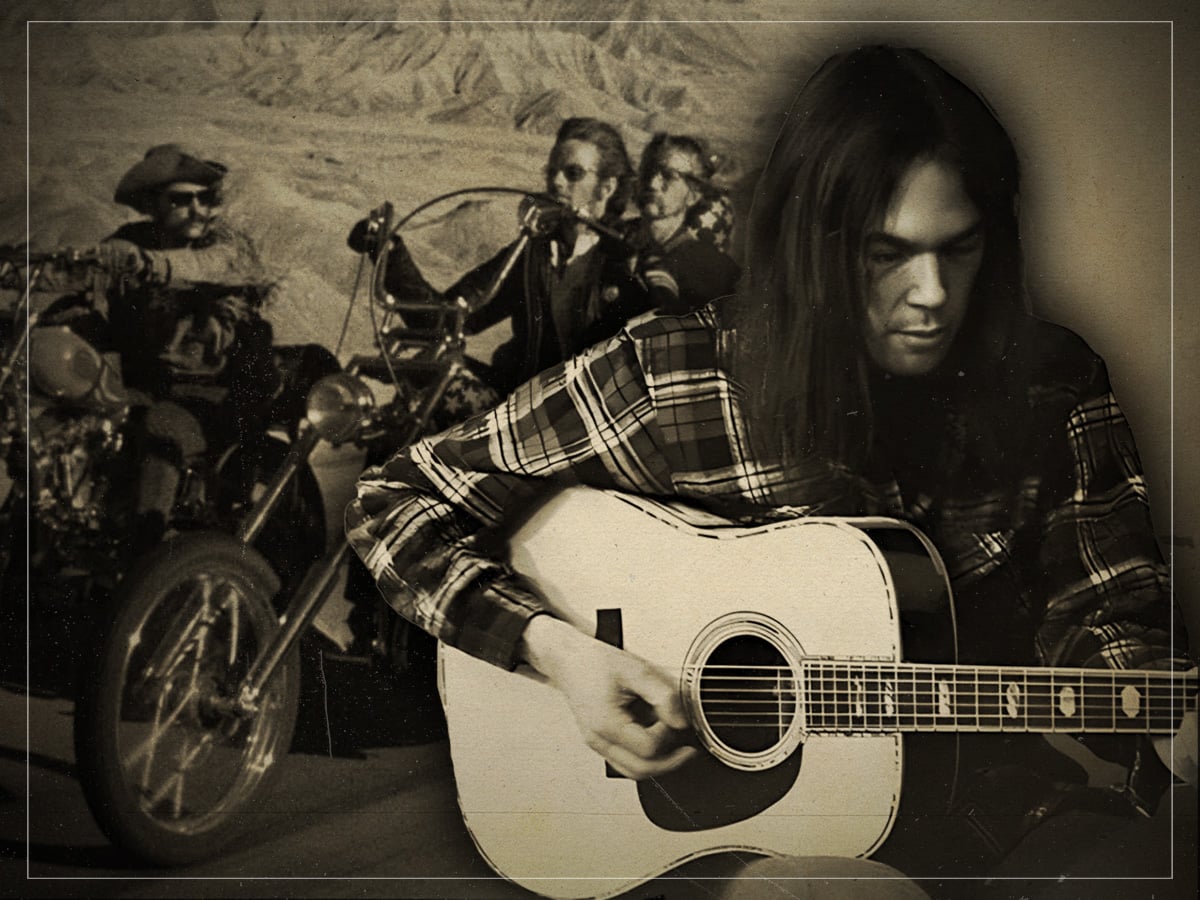
The history of music and cinema has produced unlikely encounters, but few have had as profound an impact as the connection between the cult classic "Easy Rider", released in 1969, and one of the most fascinating works of Neil Young's career. The Dennis Hopper-directed film not only became a symbol of American counterculture, it also helped inspire an album that many fans consider a hidden gem in the Canadian musician's discography.
Released amid the height of the hippie movement, "Easy Rider" perfectly captured the spirit of a generation that sought freedom, experimentation and a break from the traditional values of American society. The film followed two motorcyclists crossing the United States while facing prejudice, social tensions and the harsh reality of a country in transformation.
The success of the film was immediate. More than a simple film production, "Easy Rider" became a cultural manifesto that reflected the dreams and frustrations of a youth marked by the Vietnam War, the civil rights movements and the profound behavioral changes of the time.
Neil Young, who was already emerging as one of the most important voices in folk and rock, was deeply impacted by the atmosphere created by the film. In a period of creative block and intense pressure from the music industry, the artist found inspiration in the narrative and themes explored by Dennis Hopper and Peter Fonda.
The sense of freedom, the feeling of displacement and the realization that the American dream was unraveling became central elements in his artistic composition. These concepts would end up directly influencing one of the most praised, but least commercially recognized, works of his career.
The resulting album presented an introspective sound, lyrics full of symbolism and deep reflections on American society. Although it did not reach the same level of popularity as some of his most famous albums, the work gained admirers over the years and came to be seen as one of the most important projects in his career.
Many critics point out that the album represents a spiritual continuation of the issues raised by "Easy Rider". While the film showed the disintegration of counterculture ideals, Neil Young turned that same sensation into music, creating songs that reflected both hope and disenchantment.
Decades later, both the film and the album continue to be revisited by new generations. Together, they represent a powerful portrait of a period when art, music and film were deeply connected to the social transformations that shaped modern culture.