How 'Smalltown Boy' became an eternal anthem of the LGBTQ+ struggle and marked the history of music
Por Equipe Editorial CifraNET · 25/06/2026
Publicidade
In 1984, while British society still maintained legal and social barriers against the LGBTQ+ community, a song emerged to transform the cultural and musical landscape: "Smalltown Boy", by Bronski Beat. Nearly four decades later, this track not only remains a staple of '80s electronic pop, but also a powerful symbol of resistance, hope, and identity for generations facing similar challenges.
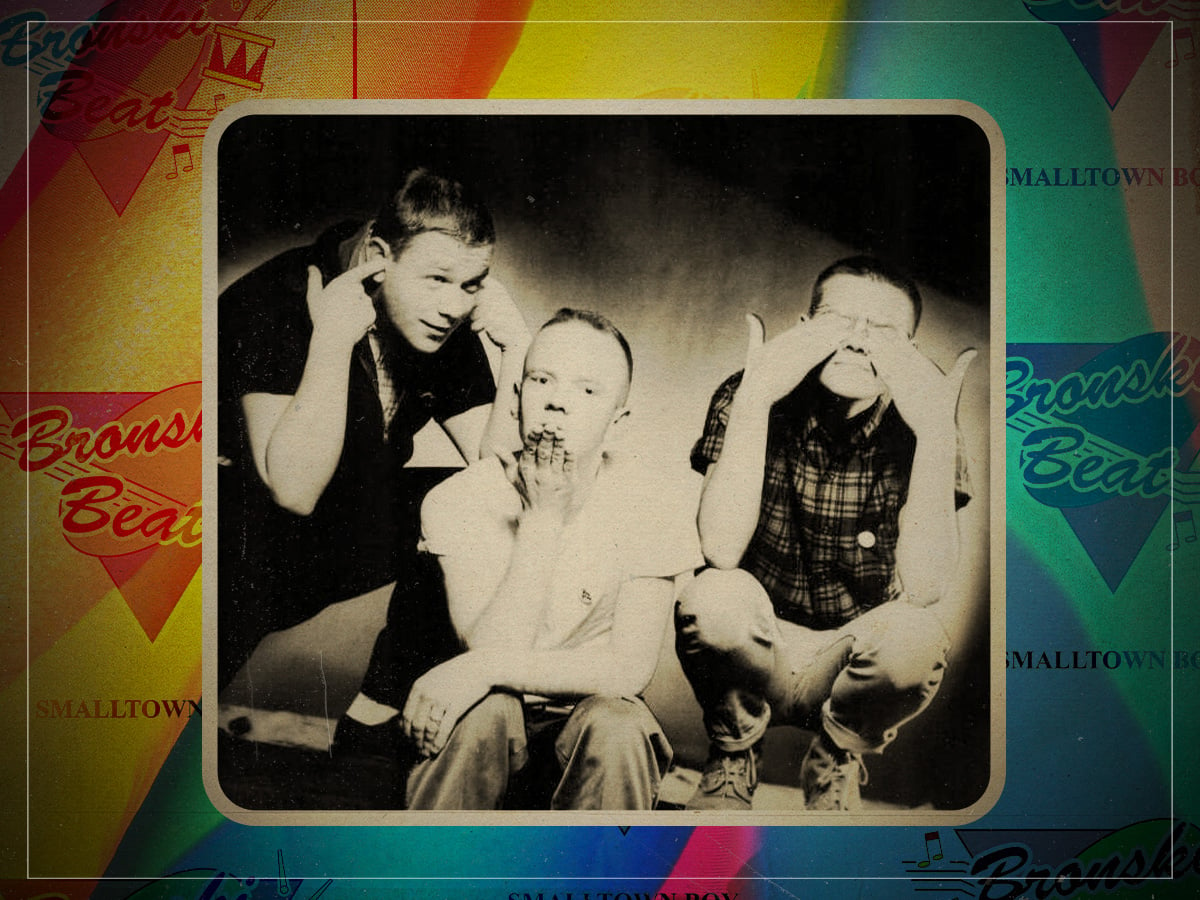
At that time, the UK was not a welcoming environment for queer people. The age of consent for homosexual acts was still 21, contrasting with European countries that had already reduced it to 16. In Scotland, the birthplace of vocalist Jimmy Somerville, homosexuality had been decriminalized just three years earlier, in 1981. It was in this context that Steve Bronski, Larry Steinbachek and Somerville came together in Brixton, London, forming Bronski Beat, which performed just nine live shows before signing with London Records.
"Smalltown Boy" was the first single from the group's debut album, titled "The Age of Consent", which tells the semi-autobiographical story of a young man who runs away from an abusive home in search of safety and acceptance in the big city. Despite the heavy theme, the song stands out for its vibrant and euphoric energy, combining electronic synthesizers with a danceable beat that encapsulates the essence of queer culture at the time. This combination transformed pain and suffering into an anthem of empowerment and self-discovery, symbolizing the possibility of liberation even in the face of adversity.
The impact of "Smalltown Boy" was immediate and profound. The first time the track was played in a nightclub was at the iconic Heaven club in London. That day, the band members, still nervous, decided to perform the song to the public for the first time. As reported by Colin Bell, former London Records executive, the audience's reaction was one of attentive silence, with attendees slowing down to absorb the song's message. DJ Ian Levine, impressed, repeated the track, consolidating the moment as a historic milestone in pop music and LGBTQ+ culture.
Colin Bell even compared "Smalltown Boy" to a folk song, not because of its musical style, but because of its durability and cultural significance, being passed down from generation to generation as a true classic of modern music. At that time, the top of the British charts was also dominated by artists like Frankie Goes to Hollywood and George Michael, who, like Bronski Beat, not only represented the LGBTQ+ community, but lived and expressed it with courage and authenticity.
Over the years, "Smalltown Boy" has continued to be a crucial reference point for reflection and celebration within and beyond the LGBTQ+ community. Its release preceded significant advances in civil rights, such as the removal of homosexuality from the list of mental illnesses, the legalization of marriage and adoption for same-sex couples, the formation of the activist group Stonewall with the participation of Ian McKellen, and the repeal of the controversial Section 28, which prohibited the "promotion" of homosexuality in schools.
Even in recent times, when hate speech seems to be gaining ground, the song maintains its inspiring power, reminding us that the fight for equality and recognition continues. "Smalltown Boy" isn't just a song; is a testament to the resilience and transformative capacity of queer culture, a true anthem that transcends generations and contexts.
As Bell sums it up, "'Smalltown Boy' captures the soul and delivers a life-elevating three-minute experience." This combination of message, melody and historical moment ensures that the song remains relevant, vibrant and essential, reaffirming its place as one of the greatest anthems in pop music and the LGBTQ+ struggle.
Credit: Far Out / Album Cover / MCA Records