How Sean Connery's 1996 Film Influenced the Decision That Led to War in the Middle East
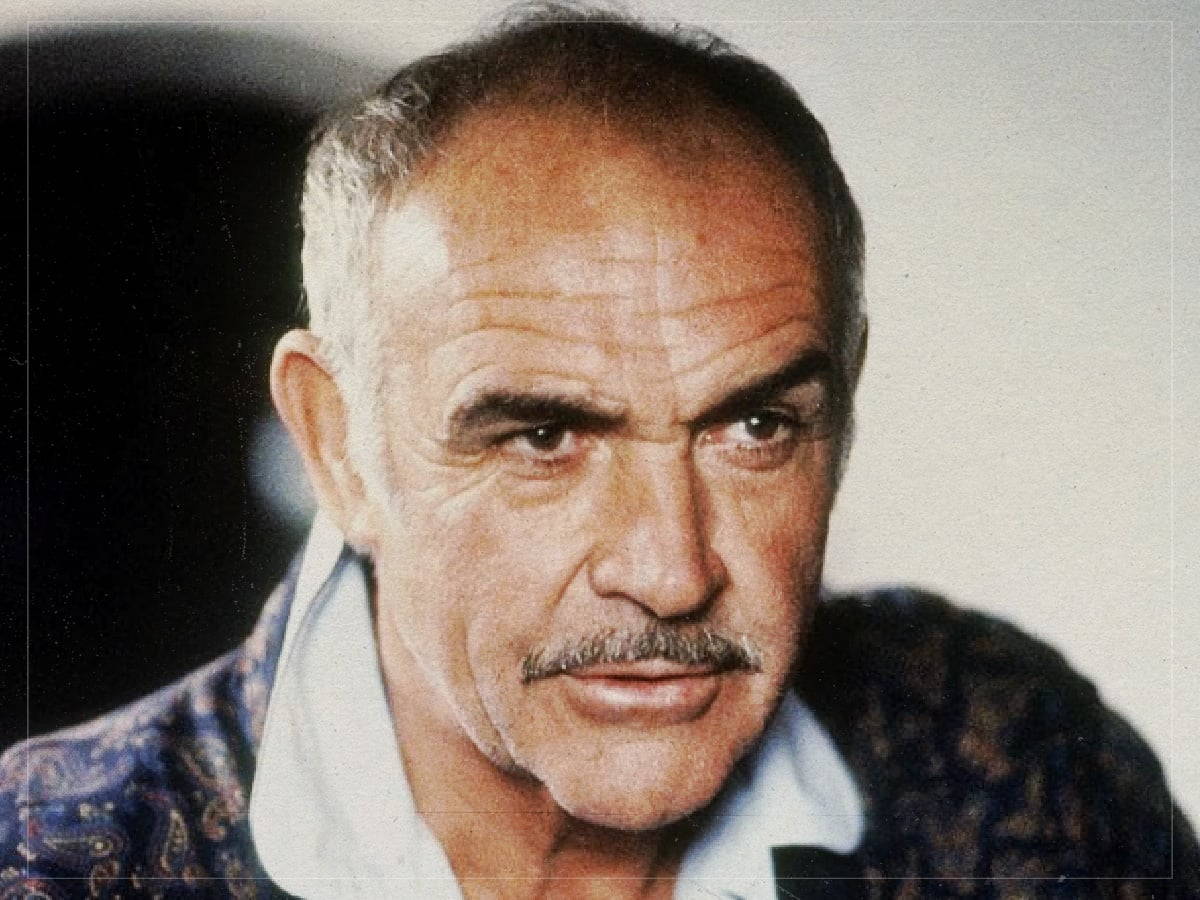
The story behind the 2003 invasion of Iraq reveals surprising connections between fiction and reality, even involving an action film starring Sean Connery. Although the war was justified mainly by the suspicion that Saddam Hussein possessed weapons of mass destruction, which were never found, a curious and unexpected detail came to light years later, showing that a film production had an indirect role in this conflict.
In 2016, the Chilcot report, a detailed public inquiry into the UK's involvement in the Iraq War, brought previously unknown information to light. The document revealed that in September 2002, the British secret service MI6 provided senior leaders, including then-Prime Minister Tony Blair, with data from an unpublished source who claimed to have direct access to information about Iraq's development of chemical and biological weapons. This source stated that such weapons could be transported in glass containers, information that, at the time, was not questioned.
However, the Chilcot report highlighted that the use of glass containers for chemical munitions was not common, and that the image of nerve agents being transported in glass spheres or beads had been popularized by a Hollywood film: "The Rock" (1996). In this film, Sean Connery and Nicolas Cage play agents who invade Alcatraz prison to prevent an attack in San Francisco, where chemical weapons are transported in small glass containers, a scene that has become iconic.
The then Foreign Secretary, Jack Straw, confronted the head of MI6, Sir Richard Dearlove, questioning the origins of this "sharp intelligence". The response confirmed the existence of the source, but admitted that the information could have been fabricated and that the way it was presented did not correspond to reality, suggesting that part of the data had been inspired by the script for the action film directed by Michael Bay.
Even after MI6 realized more than a month before the March 2003 raid that they were dealing with false intelligence, this realization was not communicated to the highest levels of government or the military. Thus, the invasion was carried out based on data that was not entirely reliable and that, in part, derived from a work of entertainment.
David Weisberg, co-writer of "The Rock," expressed surprise and disbelief upon learning of the film's indirect involvement in the war. He stressed that any chemical weapons expert would have immediately recognized the falsehood of the allegations, calling them "utterly absurd." For him, it would be enough to consult an expert to deny the information that ended up influencing political and military decisions of great impact.
Although the film cannot be held directly responsible for the invasion of Iraq, its role in spreading the wrong image about chemical weapons ended up contributing to the context that led to the conflict. "The Rock" remains one of the most popular and watched action films of the 1990s, but this connection to real events leaves a controversial legacy. As Weisberg admitted, "it's not a pleasant legacy for the film", which ended up involved, albeit unwittingly, in one of the most complex and painful chapters in the recent history of the Middle East.
This episode serves as a reminder of how the line between fiction and reality can sometimes blur, influencing decisions that affect millions of lives. The indirect influence of a Hollywood film on international politics highlights the importance of a critical and rigorous analysis of the information that supports actions as serious as war.