HOW MIGRATION AND COLONIALISM COMPLETELY TRANSFORMED THE FOOD THE WORLD CONSUMES
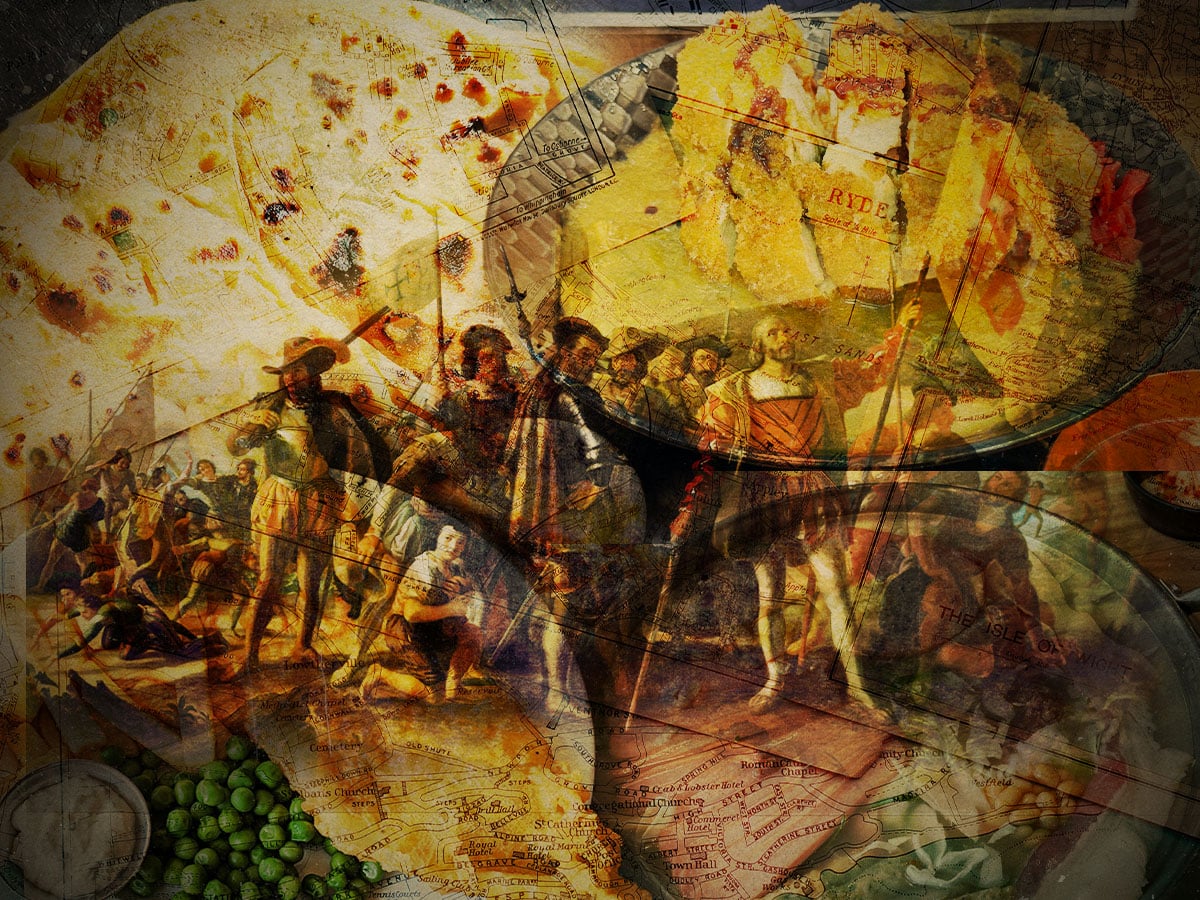
When we look at typical dishes from different countries, it is easy to imagine that they have always existed as we know them today. However, the history of global food reveals a much more complex picture.
A study analyzed by Far Out Magazine shows how processes of migration, trade and colonialism have profoundly altered the ingredients available in different regions of the planet.
Products today considered national symbols often originated on other continents. The tomato, for example, is fundamental to modern Italian cuisine, but it originally emerged in the Americas. The same goes for the potato, which became a mainstay of the European diet after its introduction by explorers.
The global circulation of food accelerated especially during periods of colonial expansion. Merchants, explorers and empires transported seeds, spices and agricultural techniques between continents, transforming local eating habits.
At the same time, migratory movements led entire communities to adapt their traditional recipes to the ingredients available in new territories. This process created hybrid dishes and new culinary traditions.
Experts highlight that practically all modern kitchens carry external influences. What is seen today as traditional cuisine often results from centuries of cultural exchange, population movement and economic change.
The analysis demonstrates that food is not just a matter of taste, but also a reflection of human history. Each ingredient, recipe and eating habit bears the marks of cultural encounters that helped shape the contemporary world.