How 'Breaking the Waves' Uses Breaking the Fourth Wall to Intensify the Emotional Connection with the Audience
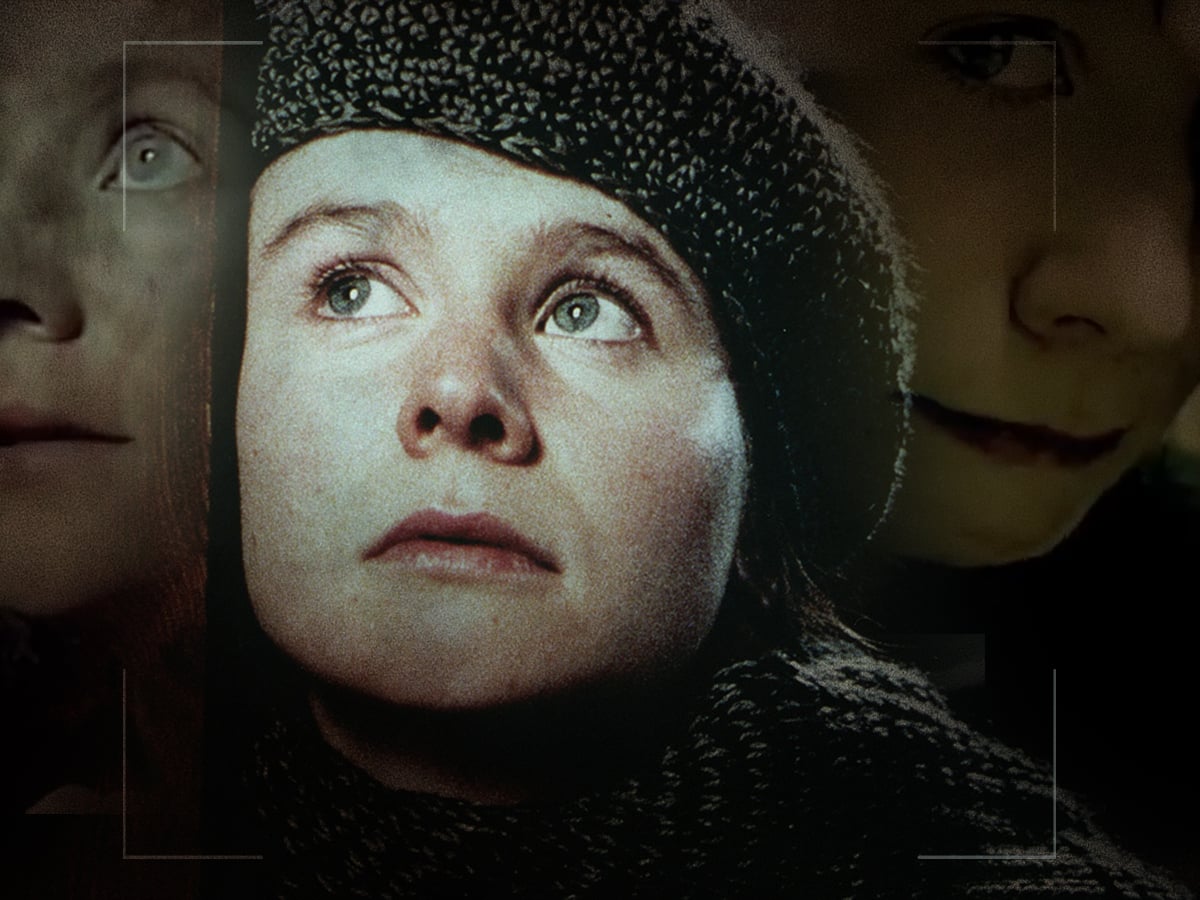
Since the beginnings of cinema, breaking the fourth wall has been a narrative tool that, when used well, creates a direct connection between characters and viewers. In 1918, Mary MacLane already challenged this barrier by speaking directly to the camera in her film "Men Who Have Made Love to Me". Since then, this technique, which dates back to Greek theater, has gone through ups and downs in its effectiveness, oscillating between brilliant moments and others that are quite embarrassing.
Recent examples illustrate this duality well. In the film "Deadpool", the main character constantly addresses the audience with ironic and exaggerated comments, such as when he says: "Are you still here? It's over, you can go home. Oh, are you waiting for a Deadpool 2 teaser? We don't have that kind of budget." This approach, while fun for some, can feel forced and tiring. On the other hand, series like "Fleabag" and "The Office" use breaking the fourth wall in a subtle and clever way, offering glances and comments that engage the audience without seeming desperate for attention. In cinema, "Funny Games", by Michael Haneke, uses this technique to an even more impactful effect, making the viewer become an accomplice in the characters' violent actions, reinforcing the film's social criticism.
Within this context, "Breaking the Waves", directed by Lars von Trier in 1996, stands out for its delicate and deeply emotional application of breaking the fourth wall. When watching the film, the viewer hardly expects this technique to appear, but when it does, it is so natural and spaced out that it creates an intimate and powerful connection with the protagonist Bess, played masterfully by Emily Watson in her debut role.
Bess is a naive and deeply religious young woman who lives in a small coastal community in Scotland. Her love for God is as intense as her love for her husband Jan, a Danish oil rig worker. The character faces a series of emotional and psychological challenges, worsened by the death of her brother and Jan's weakened condition after an accident that leaves him paralyzed. Bess's complexity, her faith, and her inner struggle are portrayed with touching sincerity, especially in the moments when she breaks the fourth wall.
These breaks happen mainly when Bess prays to God, looking directly into the camera. At times, she smiles with a mischievous expression, at others, her gaze is filled with sadness and despair. This narrative choice makes the audience feel as if they are God, someone Bess pleads with for help, even though we know that salvation can only come from herself. This direct interaction reveals the fragility and intensity of the character's mental state, transferring the weight of her emotions and anguish to the viewer.
Bess's innocence, even in delicate and erotic situations, is one of the most striking aspects of the film. When Jan asks her to get involved with other men and tell him about it, in a desperate attempt to maintain their connection, Bess loses it completely, descending into a state of madness that culminates in her tragic death. The breaking of the fourth wall in these moments is not just a stylistic technique, but a way of bringing us closer to the character's pain and confusion, making her journey even more impactful.
The film's ending, with the eerie sound of church bells echoing across the sea and Bess' direct gaze into the camera, leaves a lasting impression. It's impossible not to feel her presence, as if her soul were still there, seeking understanding and comfort. "Breaking the Waves" is a work that remains in the viewer's memory, not only for its tragic and poetic narrative, but also for the way in which Lars von Trier uses the breaking of the fourth wall to create a unique cinematic experience, where the barrier between character and audience is dissolved in a sensitive and powerful way.
This artistic choice reinforces the emotional intensity of the film and invites the viewer to become deeply involved with Bess's story, making every look and every moment of eye contact unforgettable.