Honey that can cost R$600 per liter: understand why the stingless bee product is more expensive
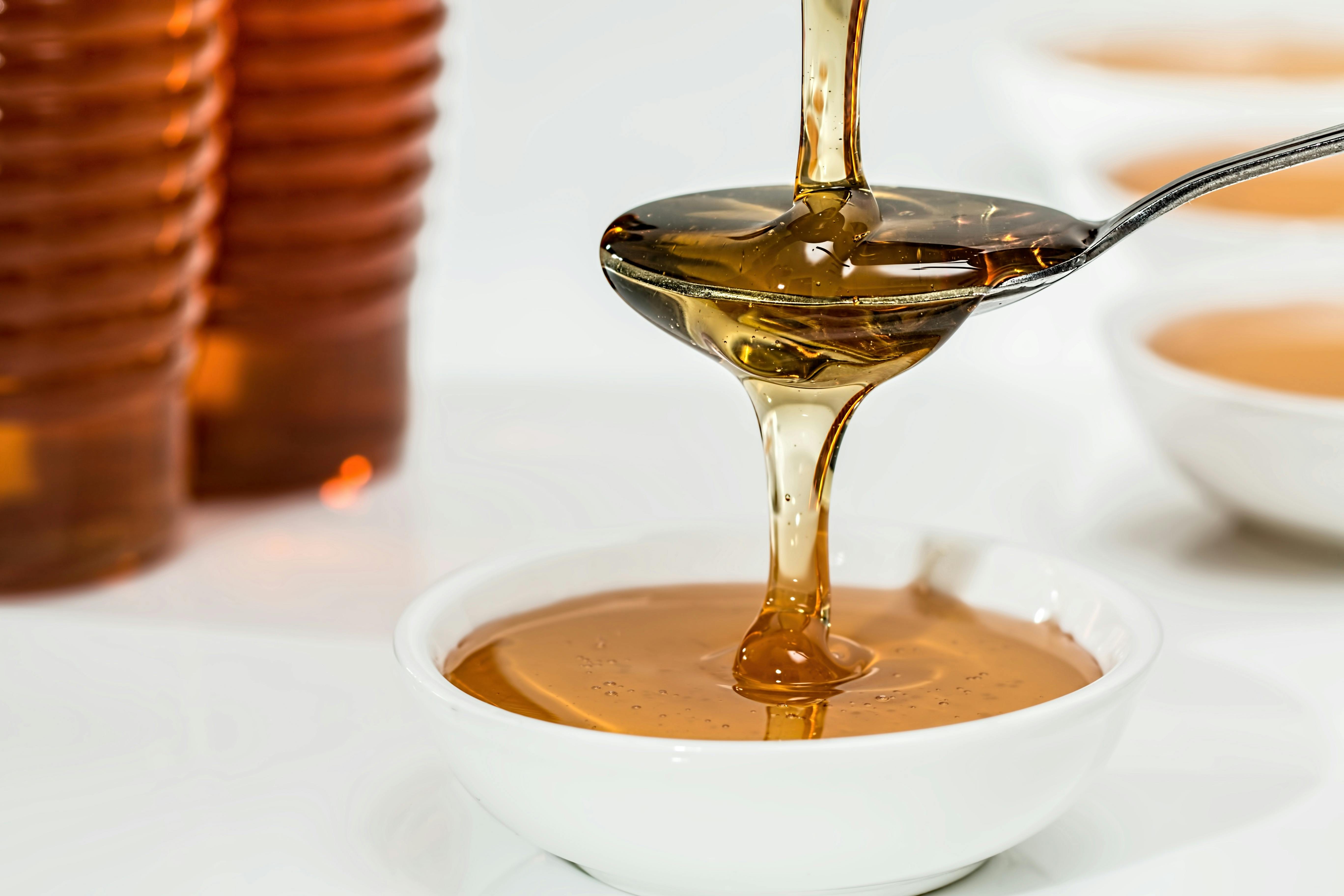
Discover the main types of honey produced in Brazil
How much would you pay for a liter of honey? The product can be found for up to R$600 when made by stingless bees.
Why is the product more expensive? These bees, which are native to Brazil, make less honey because they form smaller colonies and have less daily activity time.
"A liter of honey from Africanized bees [which have stingers] costs, on average, R$47. That from stingless bees starts at R$120 and can reach R$600 per liter", explains Fábia de Mello, researcher at the Brazilian Agricultural Research Corporation (Embrapa).
These honeys have also gained space in haute cuisine, due to their more acidic flavor and thicker texture liquid. This is because they contain more water, which favors natural fermentation.
This process, combined with the type of bee and the wax pots where the honey is stored, helps to create unique flavors, some even reminiscent of wood or cheese, explains Kátia Aleixo, biologist and master in entomology (study of insects).
But, in supermarkets, it is more common to find only a few types of honey, generally produced by Africanized bees (with stingers). In many cases, the label does not even inform which flower gives rise to the honey - which means that the product is a blend, that is, a mixture of different honeys.
This, however, does not reflect the enormous diversity that exists in Brazil. There are variations in color, texture and flavor - ranging from the sweetest to the most acidic. Find out more about the product's differences below.
Download the g1 app to see news in real time and for free
Honey from stingless and stingless bees
Bee of the species Apis mellifera (Africanized bee)
Muhammad Mahdi Karim / Wikimedia Commons
Currently, more than 250 species of stingless bees are known in the country, and around 100 have breeding initiatives, according to biologist Kátia Aleixo.
Unlike honey from Africanized bees, which is named after the flower, honey from stingless bees is identified by the species that produces it. Among the best known are jataí, mandaçaia, tiúba and borá honeys
Among those with stings, the Africanized bee is the most common species in Brazil, although it is not native to the country. It forms larger colonies, works for more hours throughout the day and, therefore, produces more honey.
The types of honey produced by it are classified according to the flowering, that is, the flowers from which the bees collect nectar. Among the main ones are: orange, eucalyptus, wild, grapevine and bracatinga.
The main types of honey
Honey from different species of bees and different blooms
Cristiano Menezes
Stingless bee honey
Borá
Considered a delicacy, it has a mild flavor with a slight salty touch - reminiscent of cheese. According to biologist Kátia Aleixo, it goes well with salads, savory dishes and light meats, such as fish.
Jataí
This type of honey has a light color, a mild taste with slight acidity and an aroma reminiscent of wood. It is valued for its medicinal properties and found in several regions of the country.
Mandaçaia
It is a clear honey, almost transparent in some cases, with a smooth flavor and a light citrus touch. Produced mainly in the South and Southeast.
Tiúba or Uruçu-cinzenta
It has a very sweet flavor and translucent appearance. It has a striking aroma of flowers and is produced especially in Maranhão and Pará.
Bee honey with sting
Orange tree
Orange honey shown on the Bem-Estar program in 2013
Reproduction/Bem Estar
Light in color and slightly acidic in flavor, this honey is common in Brazil, being produced mainly in São Paulo and Minas Gerais.
Eucalyptus
Darker in color, it is rich in minerals and traditionally used as an expectorant. It is produced in the South and Southeast regions.
Bracatinga
Special report on bracatinga honey on the Globo Repórter program (2018).
Also called melate, it is a honey produced from a sugary liquid released by small insects (cochineals) that feed on the sap of the bracatinga tree, typical of the Southern Region of Brazil.
It has a dark color, lower glucose content and is rich in minerals, according to the Brazilian Association of Bee Studies (A.B.E.L.H.A).
Wild
When labeled as wild, it means that the honey is produced from various flowers.
It is found throughout Brazil, especially in apiaries close to native vegetation.
Grapevine
Almost transparent, this honey is produced mainly in Cerrado regions, such as in Minas Gerais.
In Brazil, the most commercialized honeys are those produced by Africanized bees
Pexels/Pixabey
Where does what I eat come from: Honey
Source: G1