Hearings on pricing: government decides to send observers and maintains commitment to direct negotiations
Productive sector goes to the USA to stop new tariffs
The Brazilian government has decided not to sign up to speak at the public hearings taking place from this Monday (6) in the United States on the tariffs proposed by the Donald Trump government against Brazilian products sold in the American market.
Even so, the embassy in Washington will send representatives, as observers, so that the government is aware of the arguments.
The information comes from the Ministry of Foreign Affairs. The Brazilian government's understanding is that this space, the public hearings, is not suitable for real negotiation, but rather the technical and high-level conversations that have been taking place in recent weeks and are scheduled for the next few days.
Senator Flávio Bolsonaro (PL), pre-candidate for the Presidency, and political influencer Paulo Figueiredo have signed up to speak during the hearings. Flávio will open the second day (see here the arguments he intends to take).
READ ALSO: After the political tone of the letter to the USA, Flávio needs to avoid 'slips' in the audience, say allies
Diplomatic meetings
Last week, for example, the Minister of Development, Industry and Commerce, Marcio Elias Rosa, had a conversation with the representative of the US trade office, Jamieson Greer. After the meeting, Rosa informed that new conversations are scheduled for the next few days.
In these meetings between Brazilian and American authorities focused on negotiation, the government presented a proposal for forwarding the 6 points raised by the USA, but has not yet received a formal response.
READ ALSO: PIX, STF, social networks: understand the US criticism for proposing a 25% tariff and Brazil's arguments
The deadline is July 15th to reach an agreement. In view of this, the Brazilian government itself has been saying that it is racing against time to reach an understanding with the American government, showing data on the commercial relationship and the fight against deforestation, for example.
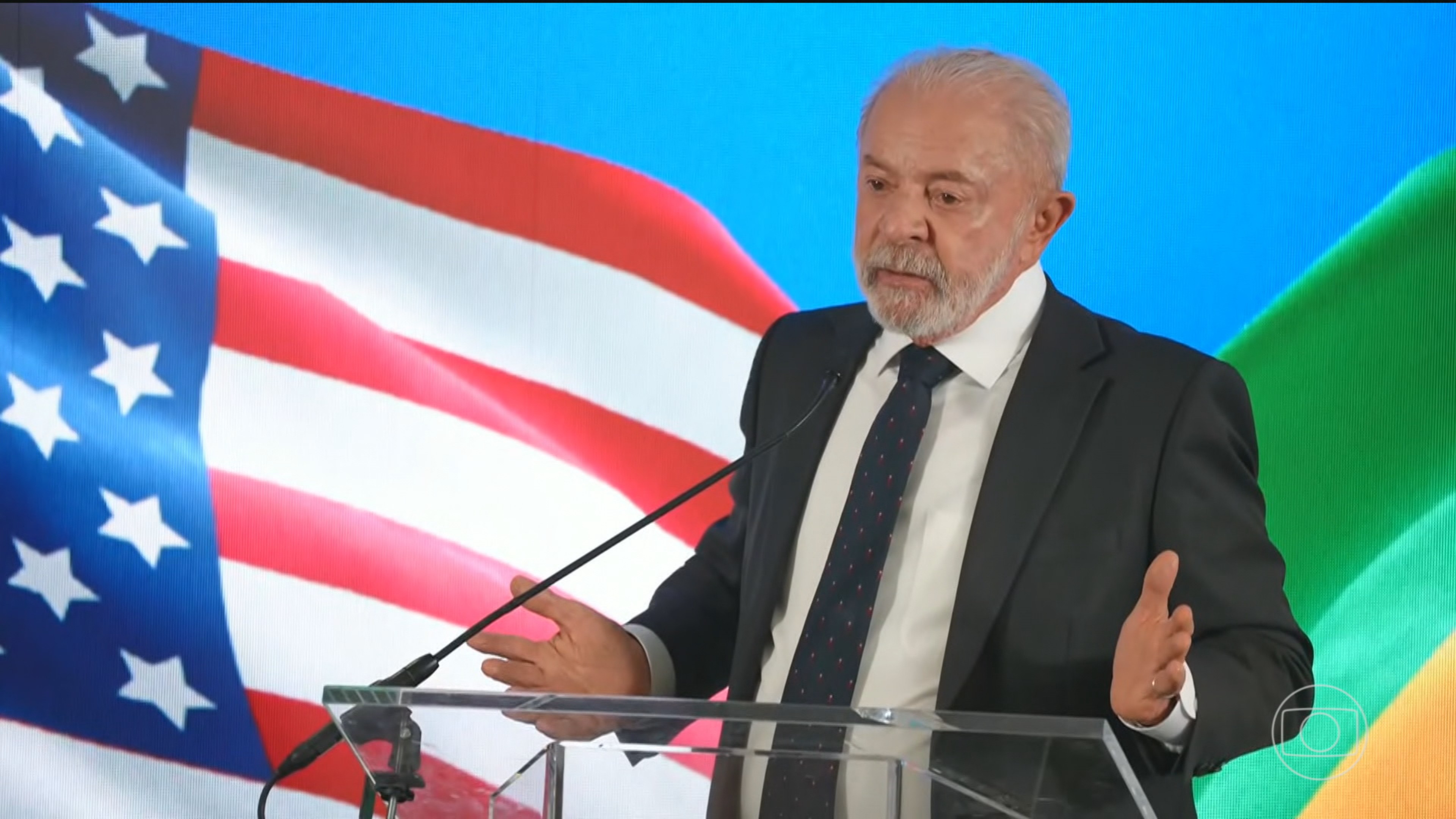
President Lula in the United States
Jornal Nacional/ Reproduction
What the government says
Behind the scenes, the assessment of members of the Palácio do Planalto and Itamaraty is that the recommendation made by the USTR is political in nature and disregards the technical arguments presented by the negotiators throughout the last year.
These interlocutors point out as an example the fact that the documents referring to the beginning of the commercial investigation, in July 2025, and the recommendation for tariffs, in June 2026, are "practically the same".
Therefore, with reservation, members of the government say they do not believe in a complete reversal of tariffs, only in a possible reduction or announcement of exceptions.
Source: G1