Government sees risks of emotional manipulation and data collection in AI toys sold in Brazil
Government sees risks of emotional manipulation and data collection in AI toys sold in Brazil
Reproduction
Toys with artificial intelligence sold in Brazil may pose risks to children, such as emotional manipulation and collection of personal data, according to a technical note published this month by the National Secretariat for Digital Rights (Sedigi), of the Ministry of Justice and Public Security (MJSP).
The study, which included the participation of researchers from the Federal Rural University of Pernambuco (UFRPE), states that these products can be in disagreement with the rules set out in ECA Digital and recommends that irregularities be investigated by the responsible bodies.
Do you have any suggestions for a report? Send it to g1
Sedigi asks the National Consumer Secretariat (Senacon) and the National Data Protection Authority (ANPD) to monitor, among other points, whether manufacturers and stores correctly inform the risks of these products and how personal data collected by toys is processed.
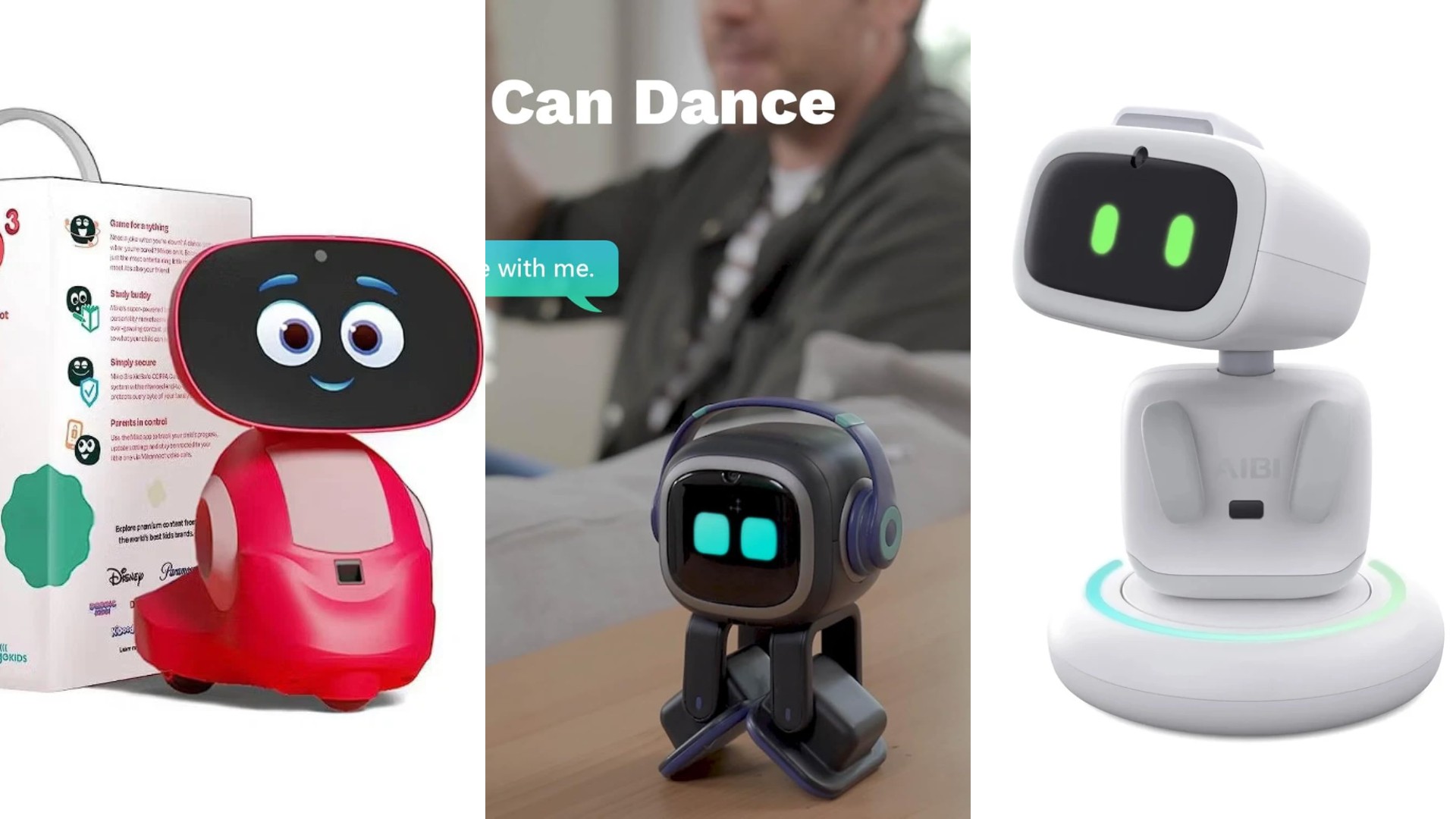
To prepare the study, Sedigi analyzed six devices sold in Brazil through marketplaces such as Amazon, Mercado Livre, Shopee, AliExpress, Magazine Luiza, eBay and Casas Bahia. The devices are:
Loona (robotic pet);
EMO (companion robot);
Miko 3 (educational robot);
Aibi (pocket robotic pet);
Amazon Fire HD Kid Pro (tablet aimed at children aged 6 to 12);
and Vector (autonomous robot).
Now on g1
Emotional manipulation and data collection
According to the technical note, these devices usually having cameras, microphones and other sensors capable of capturing information such as facial biometrics, voice and even characteristics of the home environment.
At the same time, they use AI to hold conversations, simulate emotions and adapt their responses to the child's behavior, collecting data continuously during the interaction.
The document states that this type of bond can encourage emotional manipulation and encourage excessive use of toys.
"The bonds established with the child, in addition to facilitating emotional manipulation, can encourage excessive use of the toy and potentially expose sensitive information to third parties, especially if there are security flaws", says the note.
EMO is a children's robot with AI that is sold for R$ 3,084.23 in Brazil.
Reproduction/Amazon
The note also cites as an example international cases considered worrying. One of them is the My Friend Cayla doll, banned in Germany after authorities concluded that it could record conversations accessed by third parties, leading the toy to be dubbed a "spy instrument".
The document also mentions cases of children's audio leaks involving the Miko 3 robot.
One of the devices analyzed by the MJSP is the Loona toy, a robotic pet that simulates a pet. The toy uses natural language processing to understand voice commands, is integrated with ChatGPT, has sensors to map the house and uses a camera to recognize users.
In relation to e-commerce platforms, the Ministry of Justice states that they also have responsibility for the sale of these products.
According to the folder, websites must clearly inform that the toy uses AI and ensure that packaging and sales pages carry warnings about internet access, risks to privacy and the need for parental supervision.
"The facts reported point to signs of possible irregularities, of a systemic nature, with the potential to affect the fundamental rights of children and adolescents, which recommends formal investigation", concludes the note.
WhatsApp gains usernames and will need a number to start a conversation
Man sues OpenAI and says ChatGPT reinforced the delusion that he was Jesus Christ
Source: G1