Government postpones decision on withdrawal of gasoline subsidy after new attacks on Iran
Oil prices soar with uncertainty about navigation in the Strait of Hormuz
The Minister of Finance, Dario Durigan, stated this Thursday (9) that he will evaluate, next week, the partial or total withdrawal of the gasoline subsidy created by the government to contain the effects of the war in the Middle East on fuel prices.
According to the minister, the initial intention was to withdraw the benefit this week. However, the increase of more than 5% in the price of a barrel of oil on Wednesday (8) led the economic team to postpone the decision.
In May, the government announced a subsidy for gasoline imported or produced in Brazil. The measure was initially expected to last two months to contain the effects of the war on oil prices. The value of the subsidy is R$ 0.44 per liter.
"This week I was going to announce the withdrawal of the gasoline subsidy, I will analyze the withdrawal next week, because the price of gasoline is already having a different impact than I was predicting", he said, this morning, in an interview with Rádio Gaúcha.
"Next week, depending on the situation, what I would like to do is remove the gasoline subsidy, whether partially or completely, as the next step", added the minister.
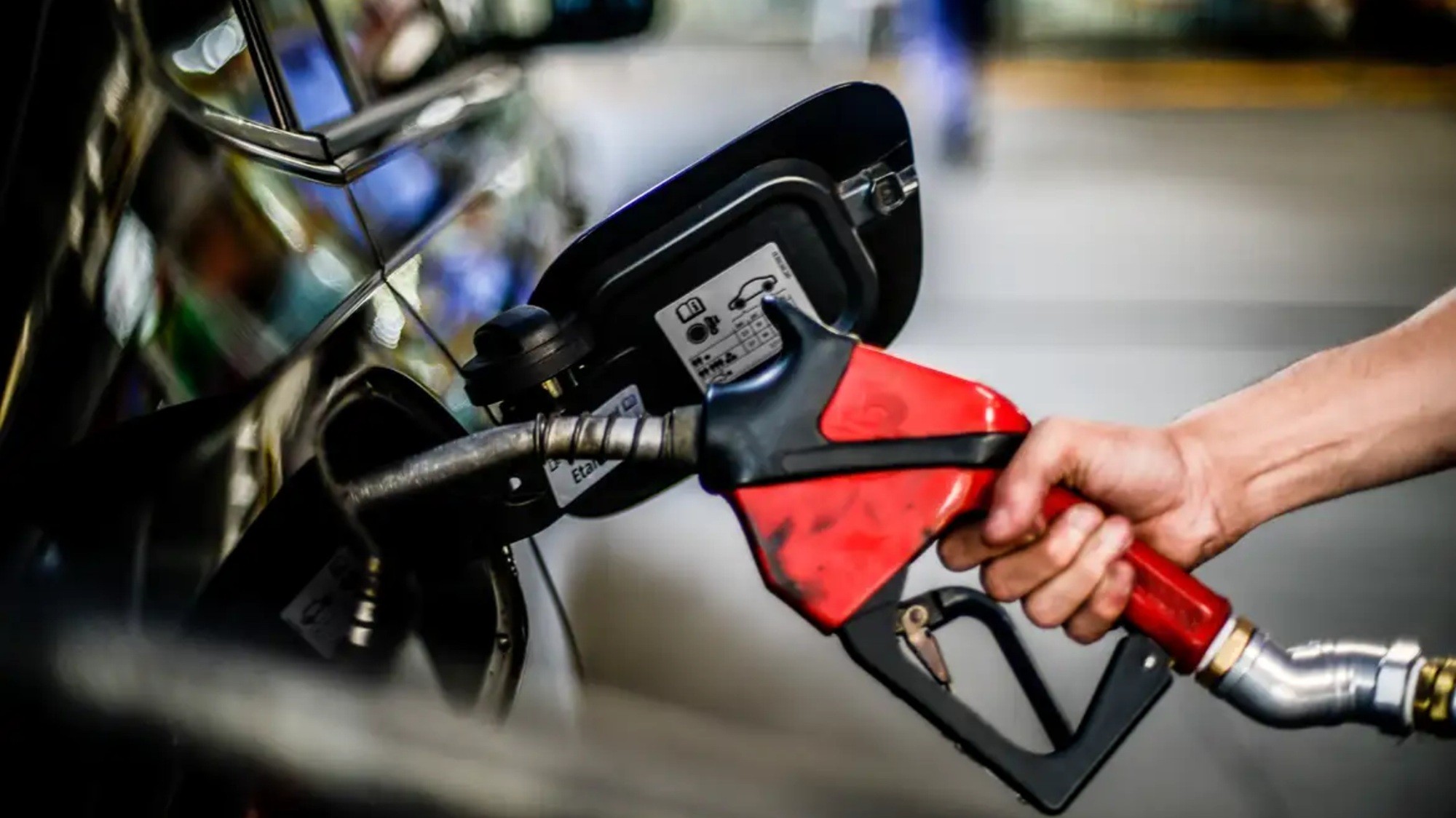
Photo of a gas station.
Marcello Casal Jr./Agência Brasil
Package of measures
In April this year, the federal government announced a package of measures to contain the rise in fuel prices in the face of the escalating price of oil.
Among the measures announced are:
subsidization of diesel (imported and that produced in Brazil);
exemption from federal taxes on biodiesel;
subsidy of gas kitchen;
subsidy for aviation kerosene;
lines of credit for the airline sector.
On July 1st, the withdrawal of the diesel subsidy came into effect. It was expected that a similar measure would be announced in the case of gasoline soon. However, the government may postpone the decision amid new attacks by the United States on Iran.
New offensive
US Central Command (Centcom) forces carried out a new round of attacks against Iran this Wednesday (8), with the aim of reducing the country's ability to attack commercial ships and civilian sailors in the Strait of Hormuz.
According to the statement issued by American forces, the military action reached around 90 strategic targets along the Iranian coast. Among the structures destroyed or damaged are air defense systems, coastal surveillance assets, missile and drone storage sites, naval capabilities and military logistics infrastructure.
This Wednesday's offensive continues a first wave of attacks carried out the previous night. By Tuesday (7), Centcom forces had already bombed approximately 80 military targets in Iran, including more than 60 small Islamic Revolutionary Guard Corps vessels.
Source: G1