Global markets fall after Trump declares end of peace agreement with Iran; oil rises more than 5%
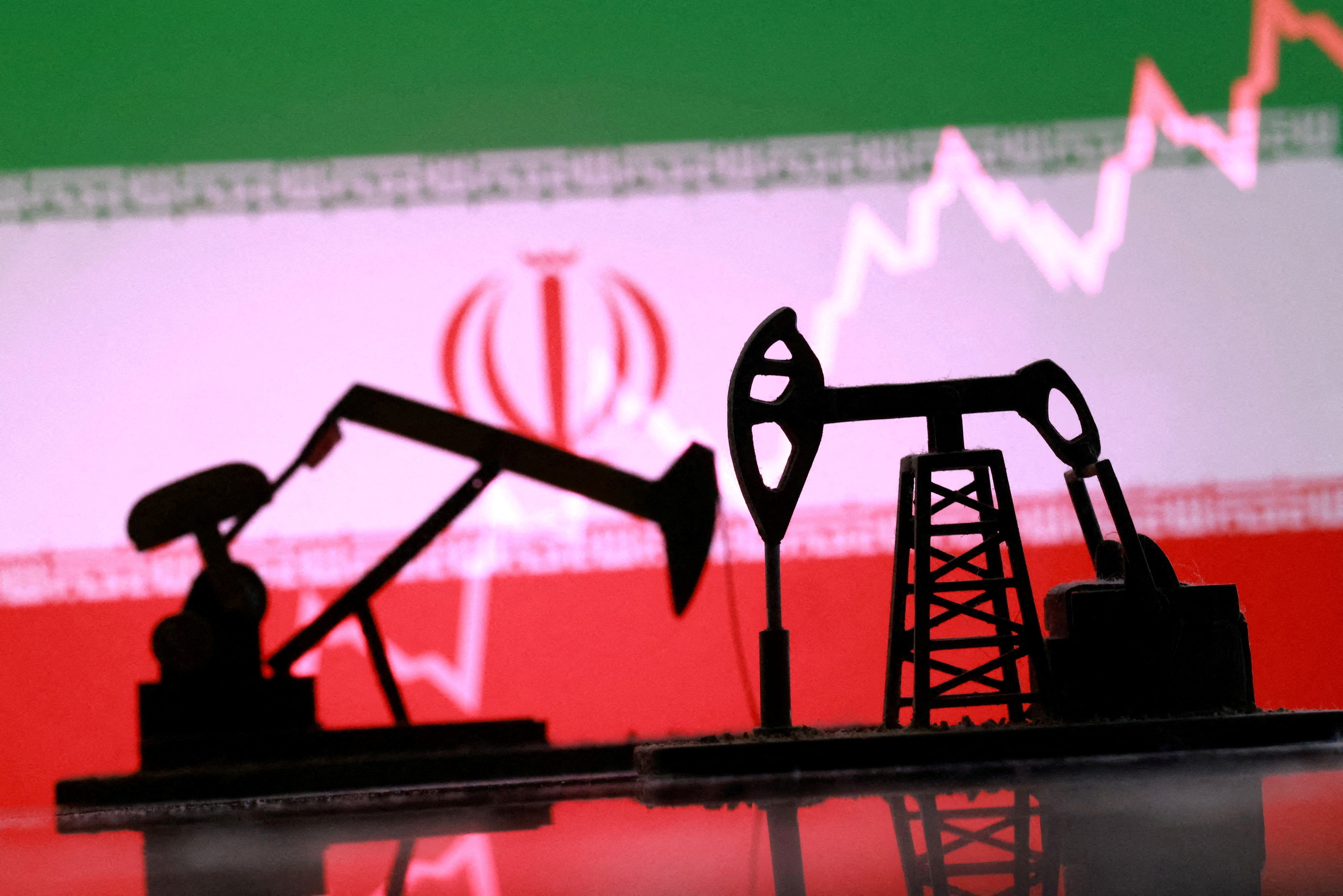
Trump says ceasefire with Iran is over
Financial markets around the world are falling this Wednesday (8), after United States President Donald Trump said that the preliminary peace agreement with Iran is "over."
The statement came after a new exchange of attacks between the two countries, rekindling fears of an escalation of the conflict in the Middle East.
The increase in tension led investors to seek assets considered safer and raised concerns about possible impacts on the global supply of oil, especially because of the risks involving the Strait of Hormuz, one of the main maritime routes for transporting the commodity.
Oil is rising again
Oil prices rose more than 5% this morning, reflecting the fear of interruptions in global supply if the conflict intensifies.
At around 8 am (Brasília time), the Brent oil futures contract, an international reference, rose 5.06%, trading at US$ 77.91 per barrel. WTI oil, a reference in the United States, advanced 4.97%, quoted at US$ 73.94 per barrel.
The rise occurs because the market fears that new clashes will harm oil production and transportation in the Persian Gulf region. The Strait of Hormuz concentrates around a fifth of the oil traded in the world.
Dollar gains strength and Wall Street futures retreat
The dollar also strengthens as investors search for assets considered safer.
The DXY index, which measures the performance of the American currency against a basket of six currencies, remained close to 101.17 points, at its highest level in about a week.
On Wall Street, stock market futures contracts operate in decline before the markets open:
Dow Jones: -1.34%;
S&P 500: -1.06%;
Nasdaq 100: -1.55%.
The fall reflects the fear that the rise in oil will put pressure on global inflation and make future interest rate cuts by the Federal Reserve (Fed), the American central bank, difficult.
European stock markets have a sharp fall
The stock markets of Europe records widespread losses, following the increase in geopolitical tension.
The pan-European STOXX 600 index fell around 1.6%, heading towards the worst daily performance since March.
The movement is driven mainly by companies in the consumer, tourism and technology sectors, which tend to be more sensitive to rising energy costs and the scenario of greater economic uncertainty.
In the opposite direction, oil company shares advance, benefiting from rising oil prices. oil.
Asian markets closed without a single direction
In Asia, stock market performance was mixed.
In Tokyo, the Nikkei index fell 2.11%, pressured by worsening global sentiment.
In South Korea, the Kospi fell sharply by 5.35%.
In mainland China, the Shanghai index fell 0.49%, while the CSI300 lost 0.77%.
In Hong Kong, the Hang Seng index rose 2.99%, driven by technology shares. The highlight was Alibaba, which advanced 12.2%, helping the local stock exchange's technology index to rise around 5%.
In other markets in the region, Taiwan's index advanced 0.56%, Singapore gained 0.51%, while Australia's stock exchange retreated 0.21%.
Understand the new escalation between the US and Iran
In the early hours of this Wednesday, the United States and Iran once again exchanged attacks, despite being officially under a ceasefire signed at the end of June.
The US bombed targets in southern Iran after accusing Tehran of attacking three commercial ships in the Strait of Hormuz, one of the world's main oil transport routes.
In response, Iran stated that the American offensive violated the peace agreement and launched attacks against US military bases in Bahrain and Kuwait, countries that host important installations of the American Armed Forces.
Hours later, during a press conference in Ankara, Turkey, Donald Trump stated that he considered the agreement peace agreement ended and said it does not intend to resume dialogue with the Iranian government.
Reuters
Source: G1