Germany presents reform package with tax cuts, changes to pensions and labor flexibility
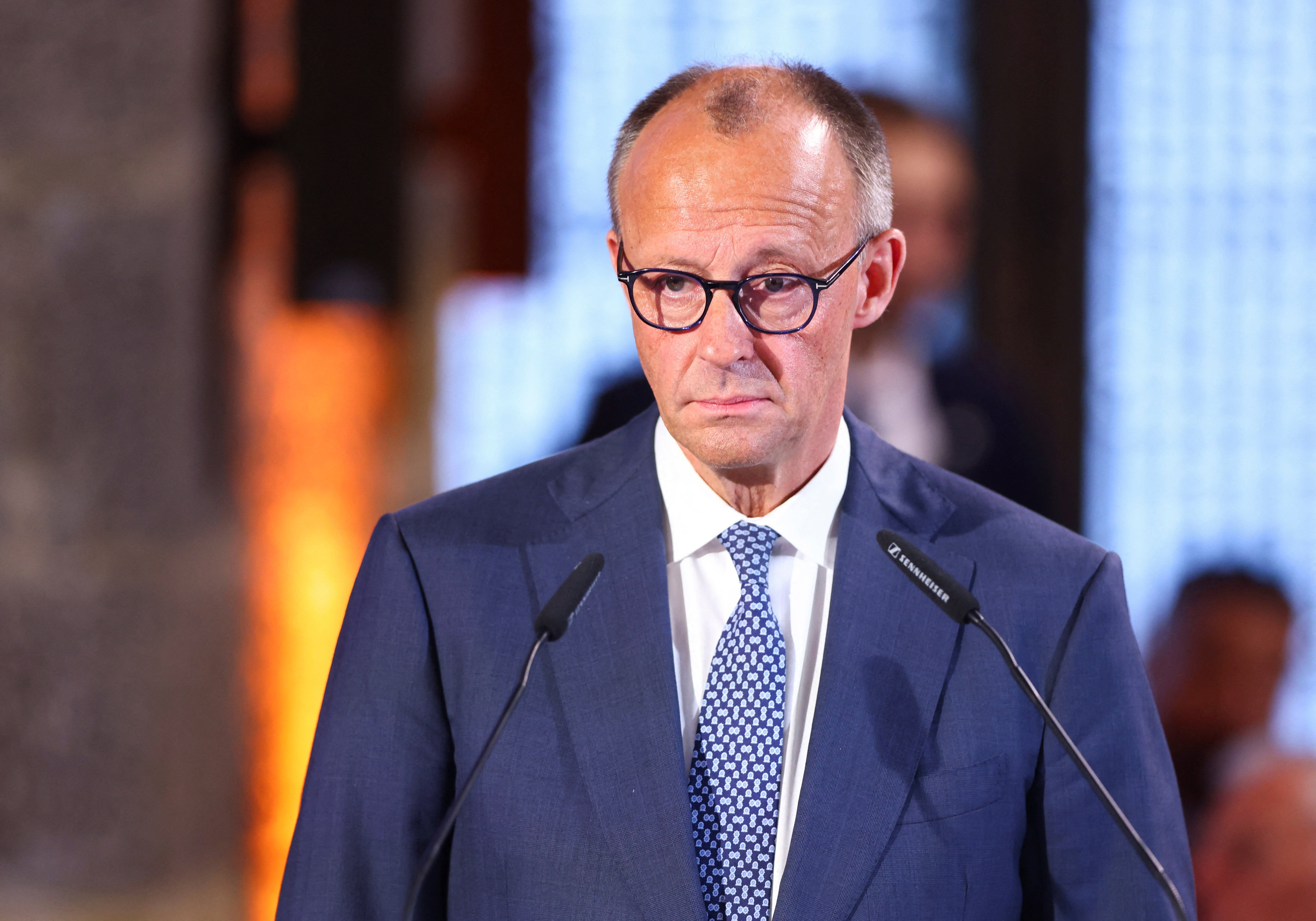
German Chancellor Friedrich Merz on May 14, 2026
REUTERS/Thilo Schmuelgen
Germany's coalition government announced this Thursday (2) a package of reforms to try to revive the economy and increase the country's competitiveness.
The measures include tax cuts for low-income workers, changes to the retirement system and a reduction in bureaucracy for companies.
Favorite g1 on Google and follow the main news of the day
The package also makes labor rules more flexible, expanding hiring through short-term contracts and tightening the rules for sick leave.
The measure was criticized by the German Association of General Practitioners. For Markus Blumenthal-Beier, president of the entity, the change in certificate rules would be "absolutely catastrophic" and would cause congestion in the healthcare system.
Now on g1
On another front, the plan foresees the construction of affordable housing, combating fraud in social benefits and an 8% reduction in the number of employees at federal ministries through digitalization.
According to the German Chancellor, Friedrich Merz, tax relief for workers will be of 10 billion euros per year. The measure will be financed by increasing the maximum income tax rate, which will rise from 45% to 47% for taxpayers with an annual income of 280 thousand euros or more.
The plan still needs to be approved by Parliament.
Reaction to the package
The measures were well received by economists and businesspeople, who believe that the government presented concrete changes after months of negotiations between the coalition parties.
For Carsten Brzeski, global head of macroeconomics at ING, the package represents a change of direction for the German economy.
"This is a robust package, designed to strengthen Germany as an investment destination in the long term and put public finances on a sustainable trajectory," he said.
Marion Muehlberger, from Deutsche Bank Research, also assessed that the reforms could improve confidence in the economy.
"The government has demonstrated the ability to reach agreement on important structural reforms and implement them by the end of the year. This should improve confidence and reinforces our expectation of accelerated economic growth in the second half of the year", he says.
Despite the positive reception from part of the market, the package also received criticism.
Unions claim that the expansion of short-term contracts weakens workers' rights, while some economists consider that the measures do not solve one of the main problems of public accounts.
"The biggest weakness of the package is the absence of measures to contain public spending. Tax relief will not be viable in the medium term if the growth of government spending is not controlled", said Clemens Fuest, president of the Ifo institute.
Pension Reform
One of the main axes of the package is the reform of Pension. The government intends to create a pension fund inspired by the Swedish model and gradually raise the retirement age to help stabilize the system in the face of an aging population.
The initiative faces resistance from unions, who reject increasing the minimum age for workers who carry out physically exhausting activities.
Representatives of the business sector, on the other hand, claim that increasing mandatory Social Security contributions would increase hiring costs.
The reforms are part of Chancellor Friedrich Merz's government strategy to recover growth in Europe's largest economy.
The package also seeks to demonstrate the ability to approve structural changes after months of disagreements between the parties that form the government coalition.
* With information from the Reuters news agency
Source: G1