George Lucas and his irony: 1988's aversion to changes to classic films that he himself would later challenge
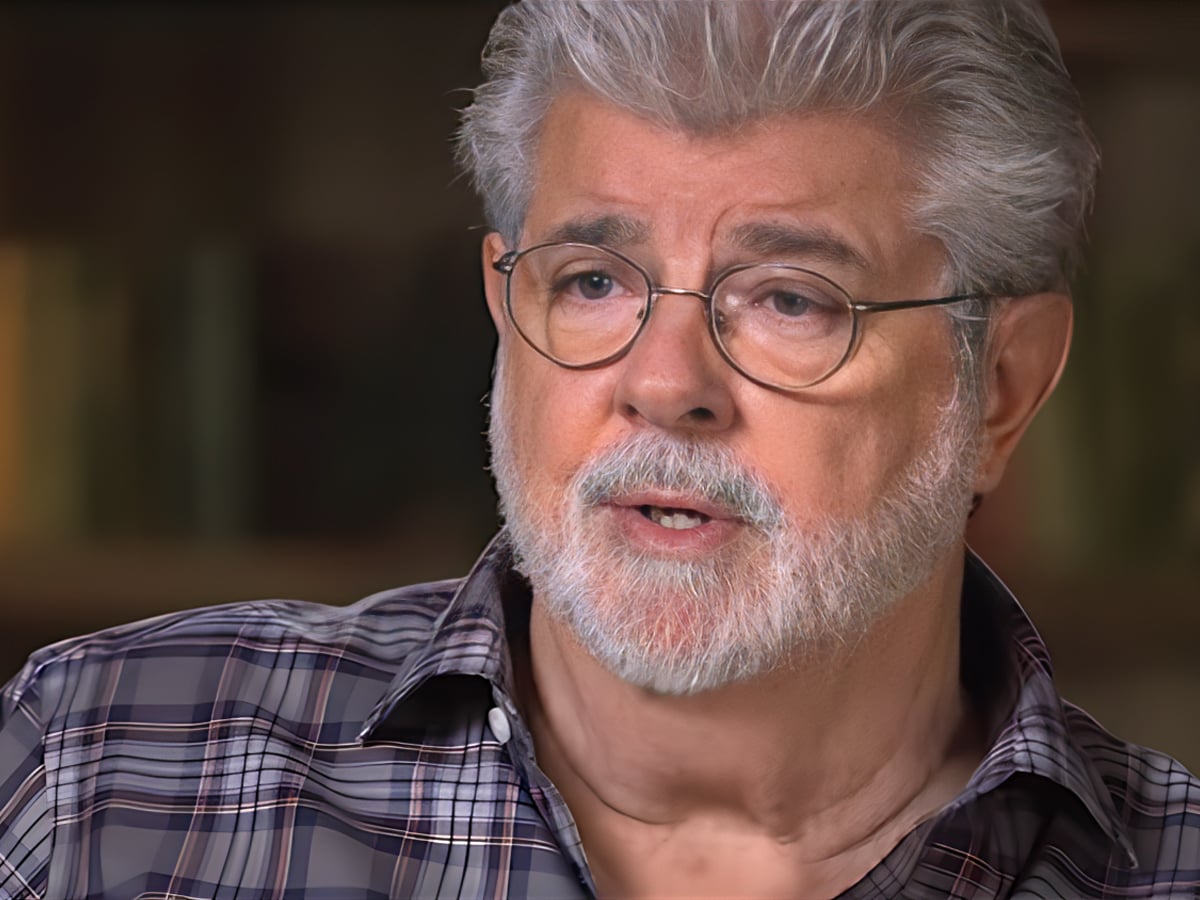
George Lucas is one of the most intriguing personalities in Hollywood history, marked by contradictions that shaped his career and legacy. Although he moved away from the center of the film industry due to discontent with the corporate side, Lucas built a true empire with Lucasfilm, transforming the Star Wars franchise into a global phenomenon. His creative involvement, especially during the 1970s and 1980s, profoundly influenced cinema and pop culture.
In the 1980s, after the resounding success of the original Star Wars trilogies and the Indiana Jones films, Lucas reached a level of influence that led him to take a public stance on important issues for the preservation of cinematographic art. In 1988, he testified before the United States Congress against the growing practice of colorizing old films, a technique that gained traction with the expansion of the home video market. Lucas warned that the issue went beyond simple colorization, highlighting that the integrity of the art was at risk.
He stated: "The practical problem is colorization, but what motivated me to act is something bigger. I don't think people care deeply about colorization, but if they see that all art is threatened, maybe they will understand that something needs to be done." To illustrate his point, Lucas used his most famous creation, saying he wouldn't like to see Star Wars with a rock soundtrack or a naked Princess Leia, highlighting the importance of respecting the original work.
However, the irony of this position was revealed less than a decade later, when Lucas released the Special Editions of the original Star Wars trilogy in 1997. These versions brought significant and controversial changes, such as the famous alteration of the scene in which Han Solo is confronted by Greedo in the Mos Eisley Cantina - in which, in the new version, Han does not shoot first - and the inclusion of a dance sequence in Jabba the Hutt's palace on Tatooine. These modifications generated heated debates among fans and critics, who questioned the preservation of the original work.
The changes didn't stop there. In 2004, with the release of the original trilogy on DVD, Lucas replaced the image of actor Sebastian Shaw, who played Anakin Skywalker as a Force ghost in Return of the Jedi, with Hayden Christensen, known for his role in the prequels. Additionally, the 2011 Blu-Ray version added extra dialogue for James Earl Jones as Darth Vader during his confrontation with Emperor Palpatine, played by Ian McDiarmid.
Lucas could defend these changes by arguing that, as he was the creator and responsible for the films, he had the right to revisit and alter his works. This would differentiate him from classic film directors who had no control over the colorization of their original works. However, the fact is that the original, unaltered versions of the Star Wars films were never officially released again, and Lucas made efforts to keep these versions out of the public's reach.
This situation creates an interesting tension between the defense of artistic integrity that Lucas expressed in 1988 and the revisions he promoted in his creations. As the 50th anniversary of Star Wars approaches, there is growing expectation that Disney, the current owner of Lucasfilm, will be able to release the original versions of the films, without the changes made by Lucas in recent decades, meeting fans' desire for a more authentic experience.
Meanwhile, George Lucas remains dedicated to other projects, such as opening an art museum, and it seems unlikely that he will return to cinema as a director or screenwriter. His trajectory, marked by these contradictions, continues to be an object of analysis and fascination for scholars and admirers of the film industry.