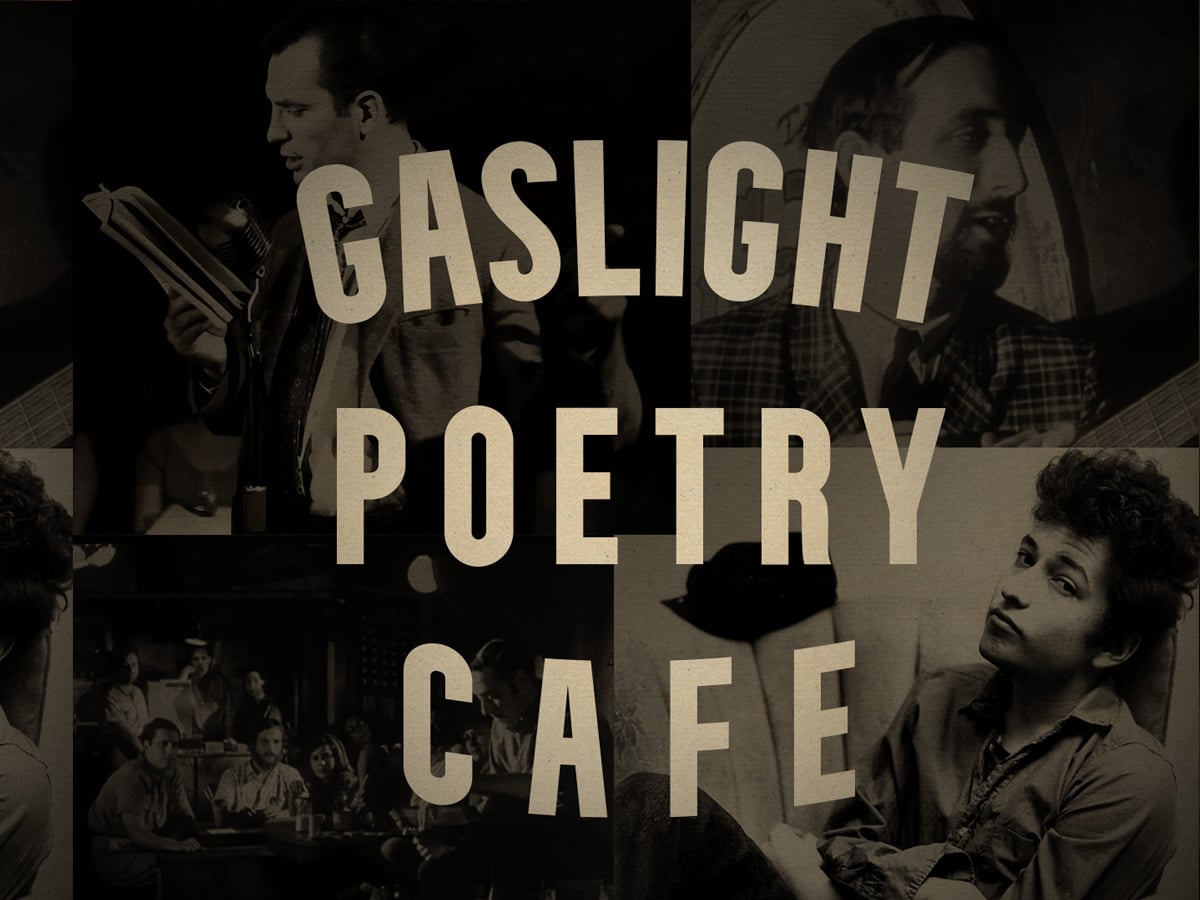
Gaslight Café: The Historical Landmark of "Basket Houses" and Folk Culture in New York in the 1950s
Por Equipe Editorial CifraNET · 24/06/2026
Publicidade
The Gaslight Café, located at 116 MacDougal Street, New York, is recognized as the most important "basket house" in the city's history during the 1950s, a space that became a crucial meeting place for the Beat Generation and the folk music revival. This café, opened in 1958, not only revolutionized the way audiences interacted with performances by popularizing the gesture of snapping fingers instead of clapping, but also transformed the cultural landscape of Greenwich Village, serving as a pivotal stage for artists who shaped the music and poetry of the era.
Before becoming the iconic cafe, the location was home to Louis' Luncheon, a meeting place for the LGBTQ+ community, writers and artists in the 1930s and 1940s. When John Mitchell took over the space in the late 1950s, he found a basement with a low ceiling, which had to be lowered to accommodate patrons. Mitchell, who had previously managed Café Figaro, envisioned Gaslight as a cultural refuge where musicians, poets, and people from different walks of life could coexist and express themselves freely, creating an environment that mixed counterculture, bohemia and creativity.
The concept of "basket house" refers to places where artists did not receive a fixed fee, but passed a basket among the public at the end of performances to raise money. Gaslight Café pioneered this model in New York, helping to redefine the culture of cafés, which until then were spaces focused on political, religious and philosophical debates, and which began to value live music and poetry as an essential part of the experience.
The café soon gained fame as "World famous for the best entertainment in the Village", attracting names from the Beat Generation such as Jack Kerouac, Gregory Corso and Allen Ginsberg, who performed their poetry there. The space was compact, with capacity for around 110 people, where the public sat among a mix of chairs and bodies, watching the artists in an improvised corner with a piano. Above the café, The Kettle of Fish bar served as a meeting point for artists and regulars, especially as the café maintained a sober atmosphere policy.
Among the illustrious regulars was Bob Dylan, who arrived at the Gaslight in 1962, in between his first two albums. In his autobiography "Chronicles", Dylan describes the cafe as "an enigmatic club", where Joan Baez, Phil Ochs and Tom Paxton also performed. Some of Dylan's performances from that period were released on the album "Live at The Gaslight 1962", including early versions of classics such as "Don't Think Twice, It's All Right" and "A Hard Rain's a-Gonna Fall".
After legal difficulties and an attempted closure in 1960 due to safety violations, Mitchell sold the cafe to John Moyant, and management passed to Clarence Hood and his son Sam, who kept the place active until the late 1960s. With the rise of folk music, the Gaslight became a venue for artists such as José Feliciano, Richie Havens, Ramblin' Jack Elliott, James Taylor and Joni Mitchell, who made her New York debut at the cafe in 1966, receiving praise from Joan Baez.
In addition to music and poetry, the Gaslight Café was also a space for humor, hosting names such as Joan Rivers, Lenny Bruce and Hugh Romney, who later became the famous Wavy Gravy, master of ceremonies at Woodstock. The cafe is also portrayed in the series "The Marvelous Mrs. Maisel" as the protagonist's main stage for her stand-up performances.
Despite its cultural importance, the Gaslight Café faced constant structural problems, from leaks to rat infestation, as well as a poor air conditioning system. Still, the place remained a staple of New York's arts and countercultural scene, being immortalized in songs like Dave Van Ronk's "Gaslight Rag," which poetically described the café's lively, rustic atmosphere.
The Gaslight Café closed its operations in April 1971, due to rising costs and the difficulty of keeping the business profitable. Reopening attempts took place, but without lasting success. The space went through several transformations, becoming The Scrap Bar in the 1980s, a metal bar until 1995, and then a techno nightclub. Currently, the place is home to The Up & Up, a cocktail lounge where you can still feel the historic aura of the old Gaslight Café.
Thus, the Gaslight Café remains a vital symbol of New York's artistic culture, a place where the tradition of snapping fingers as a form of applause was born, and where poetry, folk and counterculture found a home that has influenced generations of artists and music lovers.