From trash to compost: how food scraps help reduce greenhouse gas emissions
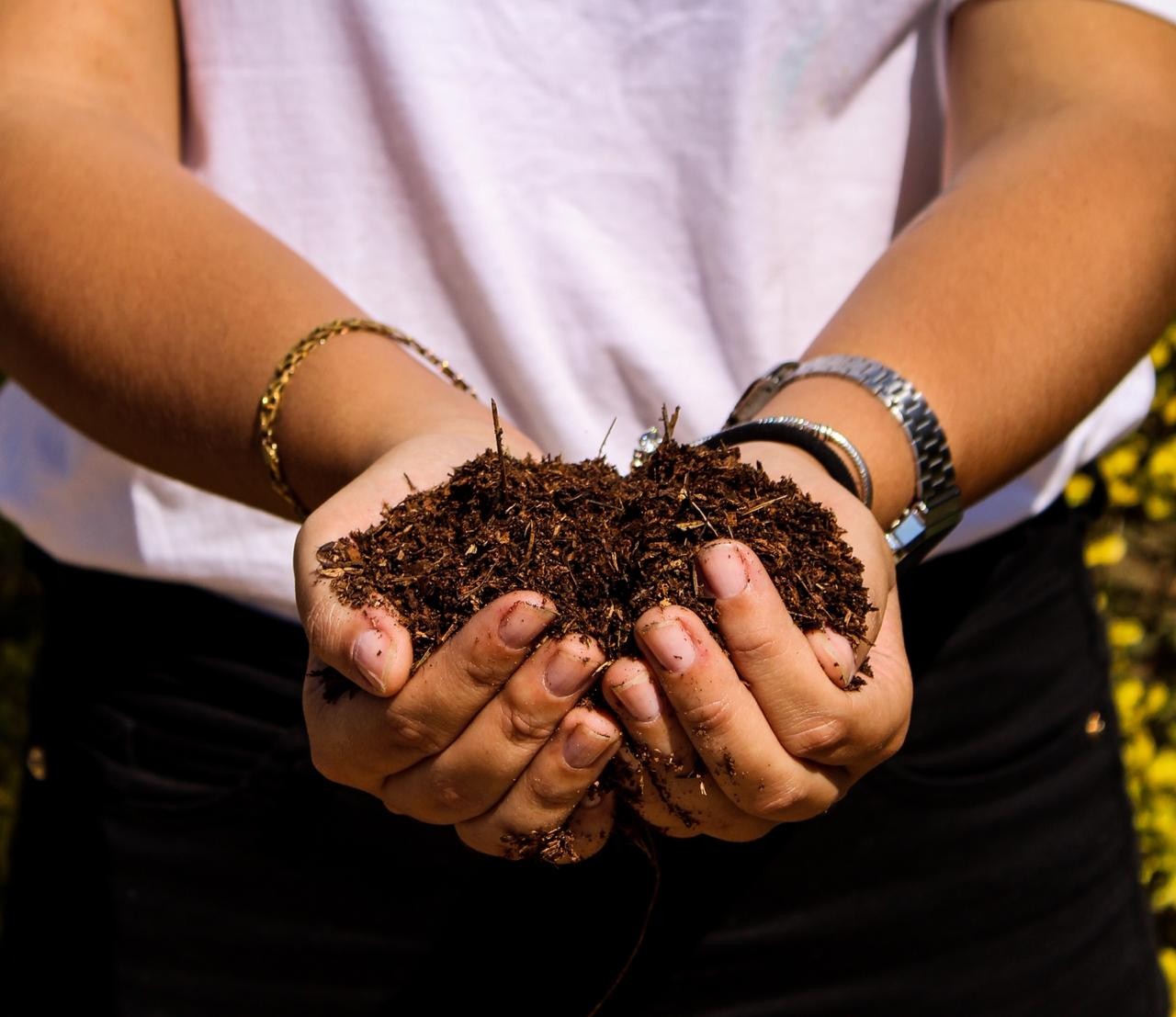
Green plant turns wasted food into fertilizer
Pollution, hunger, rising prices and financial losses: the enormous waste of food around the world impacts the economy, the environment and the population.
Around 1 billion tons of food are thrown away every year, according to the United Nations Environment Program (UNEP).
Do you have any suggestions for a report? Send it to g1
➡ This report is part of the sixth episode of the series "PF: Prato do Futuro", where g1 shows solutions to food production challenges in Brazil.
In farming, planning and management failures can cause plantations to be lost and generate excess supply. In supermarkets and markets, many products end up discarded because they do not meet the aesthetic standards required by consumers.
Waste also causes damage to the environment. This is because, when food decomposes, it generates greenhouse gases, such as methane. It also produces leachate, which contaminates the water table.
It is estimated that food discarded in landfills generates between 8% and 10% of global greenhouse gas emissions, according to UNEP.
UNDERSTAND: Why there is so much food waste, while millions go hungry in Brazil
To mitigate the issue, initiatives are emerging that seek to combat each of these problems.
One of the ways to do this is to use composting to prevent spoiled food return to the land in a sustainable way, completing a cycle of reuse without causing impacts to the environment.
g1 visited Usina Verde de Campinas, in São Paulo, which receives all the food that spoils in the city's Ceasa, reducing the need for landfills. (See the video at the beginning of the report).
The fertilizer produced is used in urban gardens, flower beds and city parks, helping to reduce this type of maintenance cost.
What happens to the leftover food? Discover projects that reduce waste, hunger, pollution and agricultural losses
g1 also visited two other initiatives to combat waste. Check it out below.
Fighting waste and hunger
How combating food waste can help reduce hunger
Amid high rates of food waste, Brazil has almost 7 million people going hungry and 18.9 million families still face some degree of food insecurity, according to data from the Brazilian Institute of Geography and Statistics (IBGE). One of the solutions to mitigate both problems are food banks. In them, production surpluses and retail surpluses are distributed to people in vulnerable situations.
Since 2023, the government has invested R$25 million in the modernization of these banks, according to the Ministry of Development and Social Assistance, Family and Fight Against Hunger.
These banks can be created by private companies, organized civil society or state governments. The federal government is responsible for regulating their operation, explains Patrícia Chaves Gentil, director of the Department of Promotion of Adequate and Healthy Food at the ministry.
Banks can support projects such as the National School Meal Program (Pnae) and social entities, such as solidarity kitchens.
According to the Pact Against Hunger, only 1% of people in a situation of food insecurity receive redistributed food.
"This does not solve hunger, but it is a very important tool for emergency relief from a crisis that we live every day, of people not having anything to eat", says Maria Siqueira, co-founder and executive director of the Pact Against Hunger.
g1 visited two food banks and followed their day-to-day work: the Solidarity Institute for Food Programs (ISA), in Campinas (SP), and Sesc Mesa Brasil, which operates throughout the country and is the largest private food bank in America Latin. (Check out the video above).
Both ISA and Sesc Mesa Brasil form partnerships with merchants.
The first operates within Ceasa de Campinas and is maintained by permission holders. The second also collects in supermarkets and even in farms.
In both cases, the products undergo screening before redistribution, to ensure that only quality products reach the NGOs. In addition to distributing food, the institutions also offer professional training courses in partnership with other organizations.
In the case of ISA, food that is not suitable for human consumption, but is not yet spoiled, is donated to small rural properties to feed their animals.
The spoiled food is sent to the Usina Verde de Campinas, where they undergo composting.
Also find out: How the arrival of the internet changed the lives of farmers in 4 years
How to minimize losses
From farming to juice: how to reduce losses in the field
Everything that is discarded throughout production, from farming to commerce, is called loss. In addition to food waste, this also generates financial losses for producers.
Loss can be avoided with appropriate techniques. This is the case of producer Emílio Cesar Favero, partner and director of Alfacitrus, which grows citrus fruits such as oranges, lemons and tangerines. g1 visited his farm in Santa Maria da Serra (SP) and the industry in Engenheiro Coelho (SP). (See the video above).
One of the techniques used is manual harvesting with monitoring to identify the right time to remove the fruits. This way, you can prevent them from getting damaged on your feet. Manual harvesting also prevents damage to the fruits and helps to increase their durability.
In addition, the products are transported in plastic boxes, which pose less risk of contamination than wooden ones.
In the industry, the strategy is to make the most of the fruits as possible. Those that meet the standard for fresh sale are sanitized and receive a layer of wax to increase durability.
Those that are not the ideal size or have stains, but are in perfect condition for consumption, are sent to prepare juice.
The spoiled fruits go to compost and then return to the farm as fertilizer. This screening is done in several stages, with human analysis and also by artificial intelligence. The system takes around 30 photos of each fruit to assess its conditions and define its destination.
According to Favero, the main factors that still cause losses are pests, diseases and climate problems, such as frost and drought. He states that pests require constant management and that the climate can surprise producers.
Read also: How heat and drought affect food and already make coffee more expensive
Credits for this episode of the series 'PF: dish of the future'
Editorial coordination: Raphael Martins
Video editing and finishing: Cadu Lando
Narration: Vivian Souza
Reporting: Vivian Souza
Production: Vivian Souza
Script: Vivian Souza
Video coordination: Tatiana Caldas and Mariana Mendicelli
Art coordination: Julio Dubiella
Illustration and infographics: Bruna Azevedo
Photography: Cadu Lando and Kaique Mattos
Motion Design: Thalita Ferraz
Source: G1