From the pitch to the barbershop: the haircuts that marked the history of the World Cups
Haircuts that marked the history of World Cups
To the terror of barbershops around the world, another World Cup is coming, the place where different cultures, traditions, styles and of course, hair... meet.
From Ronaldo's classic Cascão to Valderrama's unmistakable curls, the biggest national team tournament on the planet also served as a showcase for some of the most striking hairstyles in the history of sport.
Some were born from superstition, others the fashion or personality of the players. Everyone, however, achieved something rare: survive time and be remembered as much as many goals and titles.
The arrival of another World Cup also marks the return of a tradition outside the four lines: haircuts that soon became a trend among kids. This time, Neymar was one of the first to reveal his new look for the tournament.
The number 10 brought back a hairstyle similar to the one he wore in 2018, when he played for PSG. Just like in that period, he also opted for lighter strands and once again showed off his blonde hair.
For this reason, g1 recalls some of the most iconic hairstyles in the history of World Cups.
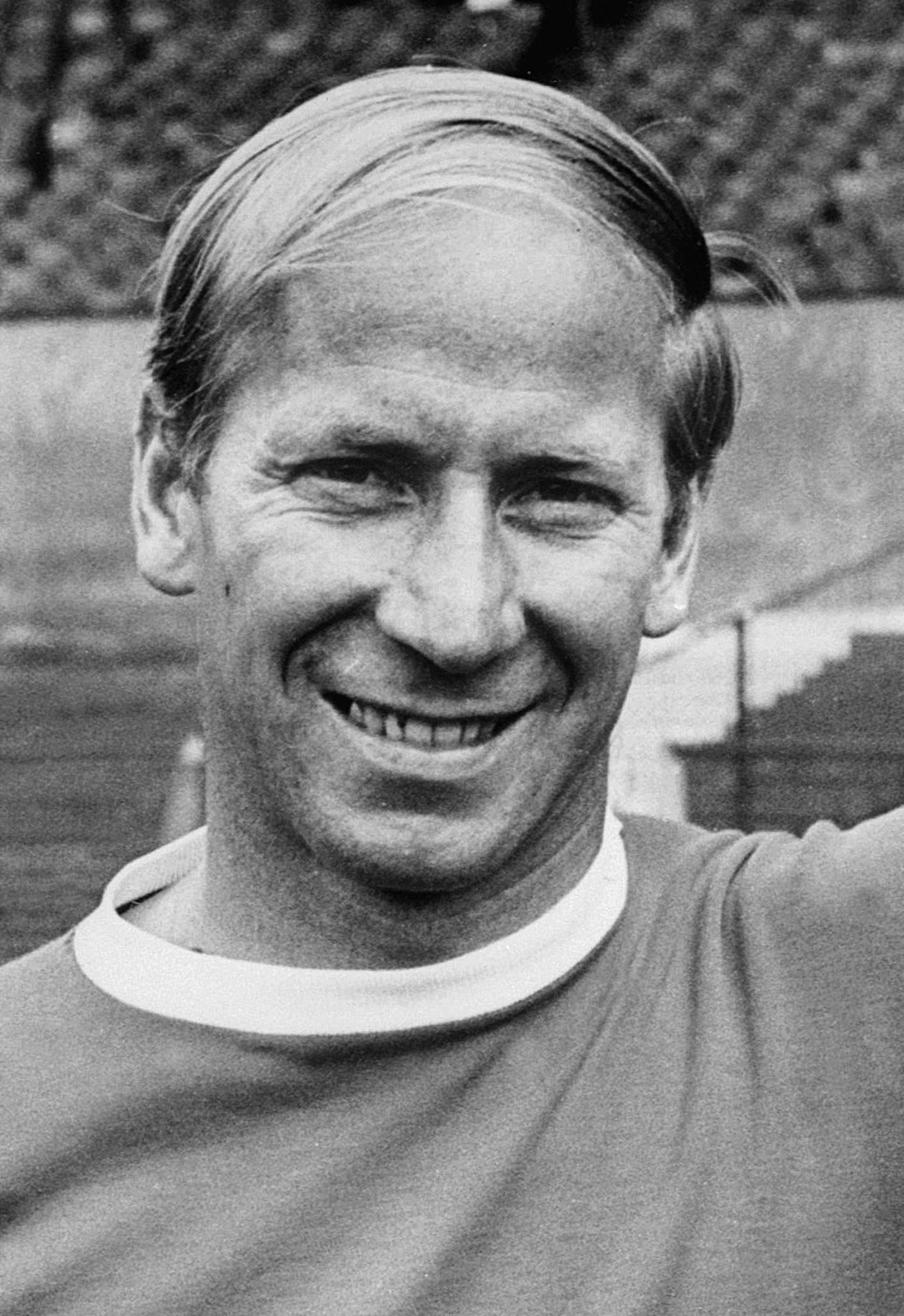
Bobby Charlton (1970)
Bobby Charlton during the 1970 World Cup
AFP
One of the main names in England's world champion in 1966, Bobby Charlton was also marked by the famous comb-over.
The hairstyle, which consisted of leaving a long strand across the head to hide baldness, became one of his trademarks. Years later, the former player himself admitted that perhaps it wasn't his best aesthetic choice.
Carlos Valderrama's golden curls (1990)
Carlos Valderrama in a match between Colombia and the United Arab Emirates during the 1990 World Cup
AFP
Few players were as easily recognizable as Carlos Valderrama, maestro of the Colombian national team, he caught attention with the huge blond curls that became his signature look
The hairstyle helped transform the midfielder into one of the most iconic faces of football in the 1990s.
Roberto Baggio and his "Divine Ponytail" (1994)
Roberto Baggio in a match between Italy and Spain at the 1994 World Cup
Timothy A. CLARY / AFP
Italian Roberto Baggio arrived at the 1994 World Cup sporting the hairstyle he got Known as "The Divine Ponytail", the combination of mullet and braid became a rage among fans and helped to consolidate his image as one of the great stars of the tournament.
Despite being remembered for the missed penalty in the final against Brazil, the look survived as a fashion symbol of the decade.
Taribo West's braids (1998)
Nigerian defender Taribo West, upon arriving with his teammates, on June 12, at Nantes station, west of France.
FRANK PERRY / AFP
Nigerian defender Taribo West turned his hair into an extension of his uniform, at the 1998 World Cup, he appeared with green braids that matched the colors of the Nigeria team.
Throughout his career, he maintained the tradition of adapting the colors of his hairstyle to the clubs he defended.
Romania's 'blonde kid' in 1998
Tunisia and Romania in the 1998 World Cup
AFP
Striking hair does not always belong to just one player, in the French Cup, the Romanian team surprised by appearing with practically the entire squad sporting bleached hair, here in Brazil known as 'Loiro Pivete'.
The idea was to strengthen the group spirit and create a visual identity for the team, the result was one of the most remembered collective looks in the history of the World Cup.
David Beckham and his mohawk (2002)
David Beckham in training for the English team for the 2002 World Cup
AFP
David Beckham was already a popular phenomenon when he appeared at the 2002 World Cup wearing a mohawk, the hairstyle quickly became a trend and was copied by young people in several countries.
More than an aesthetic choice, the look helped to consolidate Beckham as one of the greatest style icons in the history of football.
Ronaldo Fenômeno's 'Cascão' (2002)
Ronaldo Fenômeno celebrating a goal against Turkey in the 2022 World Cup
AFP
No World Cup haircut has generated so much As much repercussion as Ronaldo's in 2002, the Brazilian striker shaved practically his entire head and left just a strip of hair on the front.
Years later, he revealed that the objective was to divert press attention from an injury, the strategy worked: Brazil was champion, Ronaldo scored two goals in the final and the cut became history.
Whatever José Luis Perlaza wanted to do with his hair in 2006
National team defender José Luis Perlaza Ecuadorian on the bench during the 2006 World Cup
AFP
If Ronaldo was bold, Ecuadorian José Luis Perlaza took the idea to another level... the defender appeared at the 2006 World Cup with an unconventional combination: longer strands at the front, practically shaved head and long hair at the back of the neck. The result was one of the most extravagant looks ever seen at a World Cup.
Rodrigo Palacio's single braid (2014)
Rodrigo Palacio during the 2014 World Cup
AFP
The famous thin braid on the back of Rodrigo Palacio's neck was not born for aesthetic reasons, the Argentine striker believed that the hairstyle brought him luck and refused to cut it.
In interviews, he even explained the superstition in a simple: "When things are going right, there is no reason to change."
Neymar and his eccentric topknot in 2018
Neymar in the match between Brazil and Switzerland in the group stage of the 2018 World Cup
AFP
Known for constantly changing his look, Neymar chose a bleached topknot for the 2018 World Cup that quickly became a topic on and off the field.
The hairstyle divided opinions and generated memes on social media, among the most famous pranks was that of former French player Eric Cantona, who published a photo with noodles on his head accompanied by the caption: "Neymar style".
Source: G1