From the King to Maradona: how Azteca became a stadium that shaped the World Cups
The Azteca Stadium, in Mexico City, the stage for the debut of the 2026 World Cup in the clash between Mexico and South Africa this Thursday (11), has already become a symbol of the history of the World Cup and has established itself as the most important in history.
The Azteca was a place where football geniuses like Pelé and Maradona were celebrated, but it could also be a place where idols of the new generation, like Messi and Cristiano Ronaldo, said goodbye. With the start of this edition, the stadium becomes the first in history to host matches from three different editions of the tournament (1970, 1986 and 2026).
To date, the venue has hosted 19 games, but should reach 24 matches by the end of the competition.
The coronation of King Pelé
In a walk through history, the mystique of the "Colossus of Santa Ursúla" was built around emblematic moments for football.
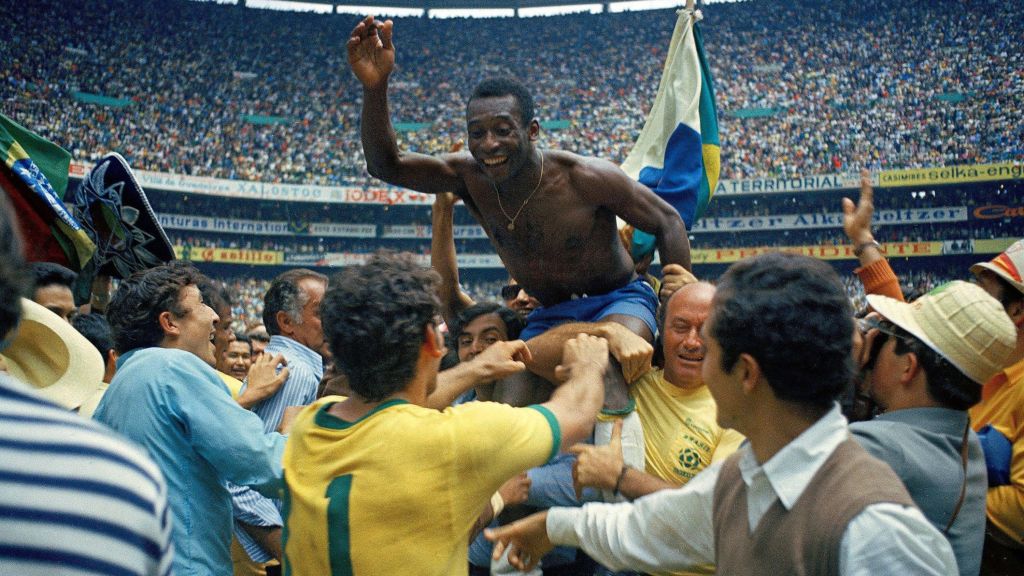
In 1970, the first time Mexico hosted a World Cup, the Azteca Stadium was the stage for the "coronation of King Pelé", when alongside stars such as Tostão, Jairzinho, Gérson and Rivelino, the Brazilian team won their third world championship.
On June 21, Brazil defeated the Italian team 4-1, with a goal and an assist from Pelé for the more than 100 thousand fans who were present at the stadium, and became the greatest World Cup champion.
Pelé celebrates winning the 1970 World Cup - Photo: Alessandro Sabattini/Getty Images
In the same edition, Azteca also hosted the so-called "Game of the Century", played between West Germany and Italy in the semi-final of the competition. The match ended 4-3 for the Italians.
Maradona and the "Hand of God"
Sixteen years later, in 1986, the Azteca Stadium had a new figure to brighten the competition. This time, Diego Armando Maradona's feet would enchant the world. Or maybe the hands.
It was at Azteca that the Argentine idol starred in two of the most emblematic plays in the history of football: the "Hand of God", when number 10 scored an unforgettable hand goal, and the "Goal of the Century" after dribbling past six markers and finishing for a great goal. Both were in a match against England, in the quarter-finals of the World Cup.
Pelé's room used in the 1970 World Cup becomes a museum in Mexico City
In the same stadium, Argentina would become two-time World Cup champions. The final took place against the West German team and ended 3-2 for the Argentines.
Maradona is carried by Roberto Cejas on his shoulders after winning the 1986 World Cup - Photo: Peter Robinson - EMPICS/Getty Images
The possible goodbye of new idols
Now, in 2026, the Azteca could be the stage for a possible goodbye in World Cups for new generation idols like Messi and Cristiano Ronaldo.
Both stars who have marked the last few years of football are in the final stages of their careers, but they still see the World Cup as a way to further put their name in history.
Messi, current champion, is looking for his second title and to overtake Maradona. Cristiano, on the other hand, is chasing Portugal's first World Cup title in history, also trying to surpass the achievements of the "Black Panther" hero, Eusébio.
See the boots of the main World Cup stars
Regardless of the players, one thing is a fact: the Azteca Stadium will, once again, be the great stage for World Cup games, and awaits new stories to be written for eternity.
Games at Azteca in the 2026 World Cup
- Premiere - Mexico x South Africa - (11/06)
- First round - Uzbekistan x Colombia - (17/06)
- Third round - Mexico x Czech Republic - (24/06) 11 x Winner 2nd Phase 12 - (05/07)
How the 2026 World Cup format works: groups, phases and changes
Source: CNN