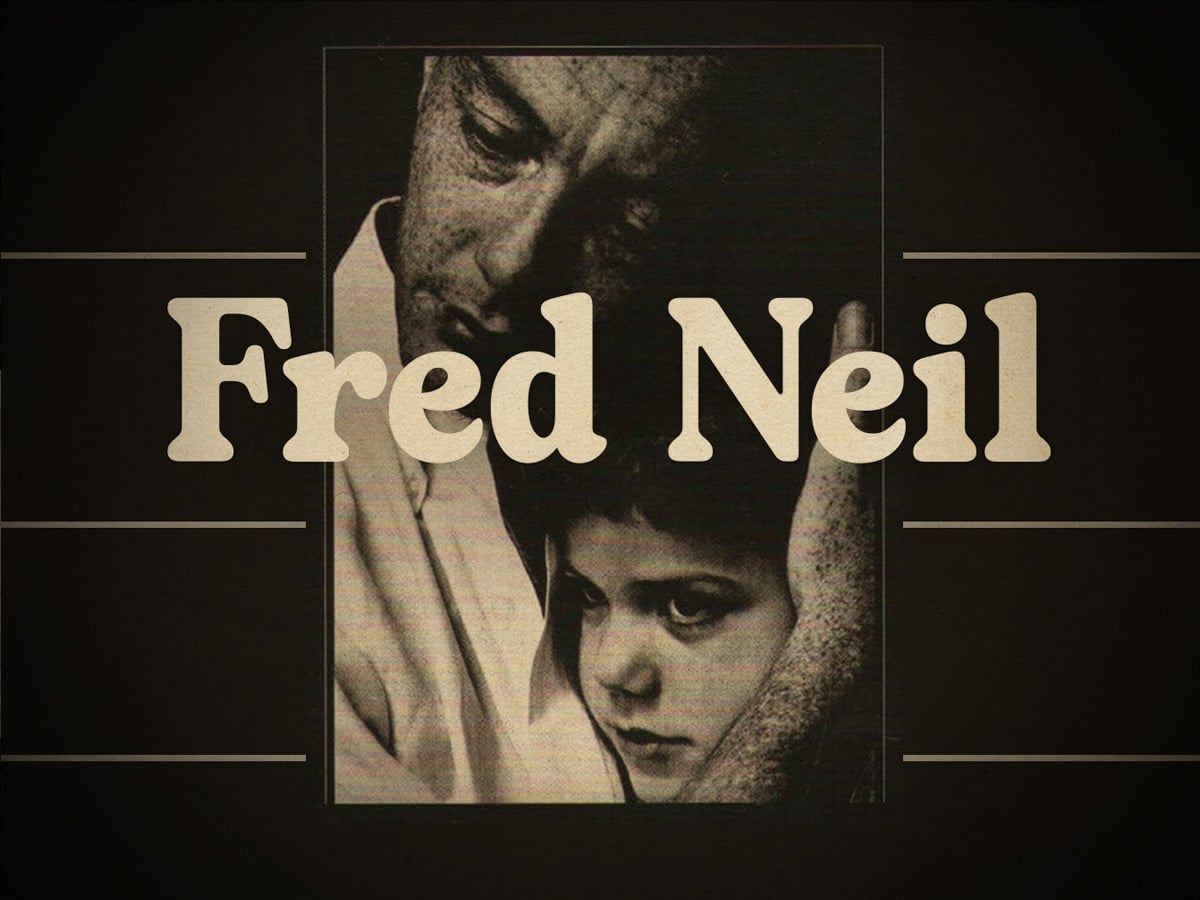
Fred Neil: The 60s folk singer who made a million dollars and disappeared from the music scene forever
Por Equipe Editorial CifraNET · 25/06/2026
Publicidade
Fred Neil was a central and at the same time enigmatic figure in the Greenwich Village folk scene in the 1960s. Although he spent much of his career out of the national spotlight, in New York he was revered as one of the pillars of the folk movement, alongside the likes of Dave Van Ronk, known as the "Mayor of MacDougal Street". Born in 1936, Neil was a bridge between the legendary generation of artists such as Pete Seeger and Woody Guthrie and the new wave of musicians who emerged in the 1960s, including Bob Dylan, Joan Baez and David Crosby.
In 1965, at the age of 29, Neil was a relatively obscure artist on the national scene, with only two studio albums released. However, his influence was profound. Bob Dylan, upon arriving in New York in 1961, was advised to look for Neil to learn and integrate into the folk scene. Dylan recalled in 1984 that he used to play harmonica for Neil, who had a strong, almost deep voice, with a remarkable rhythm. The shows at Café Wha?, where Neil performed, were much more than just acoustic performances; they were truly varied shows that included musicians, comedians and other artists, creating a unique and welcoming atmosphere for young talents.
As the 60s passed, the original Greenwich Village scene began to transform, with the increase in tourism and the changing profile of clubgoers. Many of the pioneers, like Van Ronk, became disillusioned with these changes. Neil, in turn, became even more secretive and, after a single 1965 interview with Hit Parader magazine, he disappeared from the media. At age 35, he decided to abandon music to dedicate himself to a dolphin conservation project in Florida, where he spent much of his youth.
Neil's decision to step away from his music career was facilitated by the unexpected success of his composition "Everybody's Talkin'". Originally released on his 1966 album of the same name, the song gained new life when Harry Nilsson re-recorded it for the soundtrack to the film "Midnight Cowboy" in 1969. The song became a huge hit, reaching the Billboard top 10 and winning a Grammy, which earned Neil an estimated fortune of one million dollars in royalties. The record company Capitol Records took advantage of the moment to re-release Neil's album with the title "Everybody's Talkin'", consolidating the song as its trademark, despite the majority of the public associating it exclusively with Nilsson.
The lyrics of "Everybody's Talkin'" reflect Fred Neil's state of mind at that time: a man displaced in a rapidly changing New York, longing to return to the Florida coast, where the sun shines even through the rain. He expressed a desire for escape and authenticity, feelings that would lead him to abandon the music industry for good.
After the release of his album "Sessions" in 1967, Neil released no further official work, although he attempted to record comebacks in the 1970s that were never completed. His seclusion and silence for more than three decades until his death in 2001 contributed to creating an aura of mystery around his figure. Today, Fred Neil is recognized not only as the author of "Everybody's Talkin'" but as a fundamental piece in the tapestry of American music. His influence extends to a generation of musicians who considered him a mentor and inspiration, such as David Crosby, Tim Buckley, Joni Mitchell, John Sebastian and Richie Havens.
Before establishing himself in the folk scene, Neil worked as a songwriter at the Brill Building, collaborating with renowned artists such as Roy Orbison and Buddy Holly. His powerful voice has been compared to that of Paul Robeson, and his presence has inspired musical tributes, such as the song "The Ballad of You and Me and Pooneil" by the band Jefferson Airplane. He also had ties to the band The Band and almost inspired the name of the supergroup Crosby, Stills & Nash, who initially thought of calling themselves "Freddie's Children" in honor of him.
Despite numerous attempts by colleagues and journalists to reconnect with Neil, he remained distant, preferring to follow his own path. In a rare 1965 interview, he admitted that he didn't know exactly where he was going, but that he followed the music honestly, even when he didn't have all the answers.
Fred Neil remains a fascinating figure essential to understanding the evolution of 1960s folk and American music, an artist who achieved financial success and recognition but who chose freedom and connection with nature over lasting fame.
Fred Neil, reclusive folk singer who made a million dollars and disappeared (Credit: Far Out / Album Cover)