Forró: the rhythm that stole the hearts of the Germans
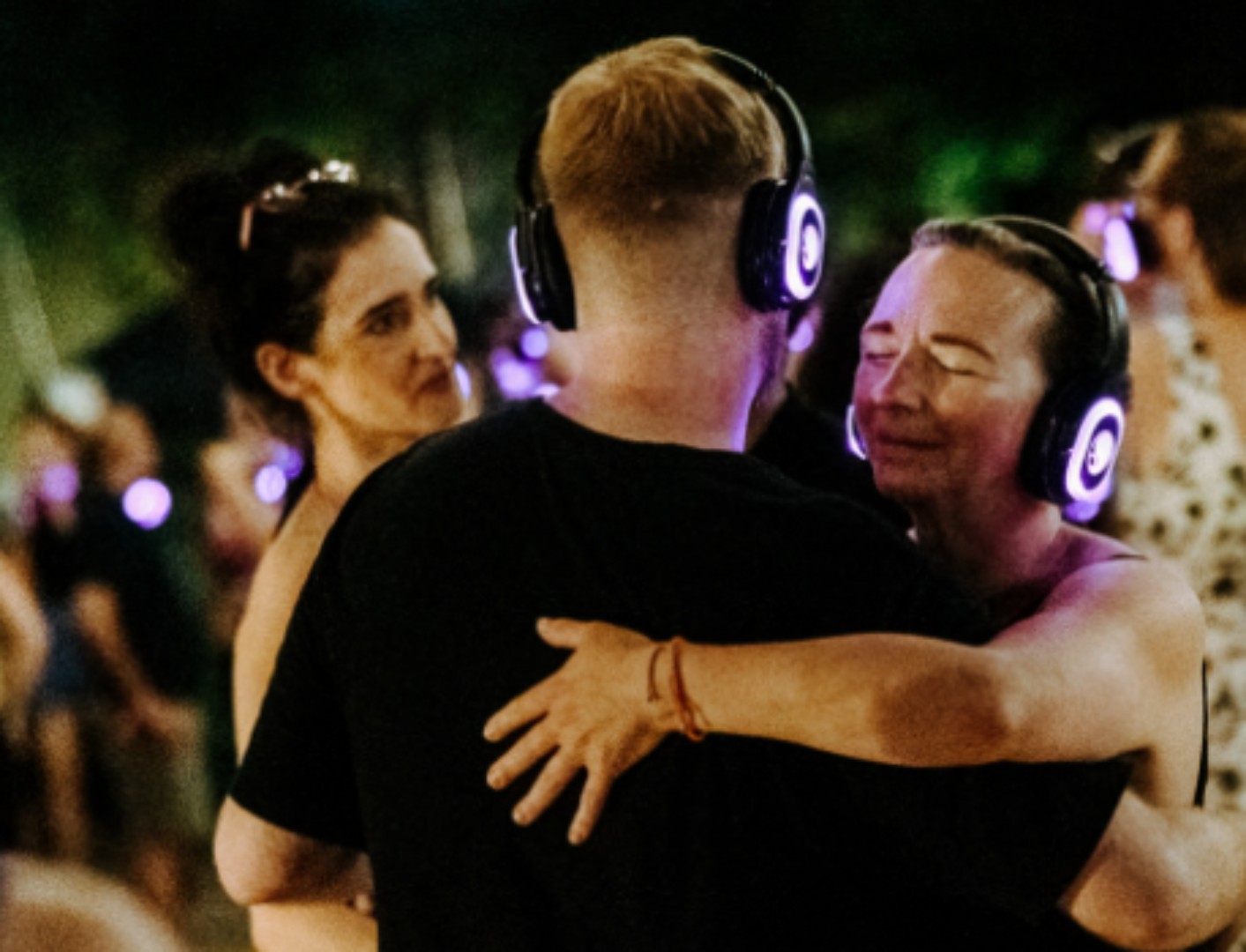
People dance forró in Berlin.
Reproduction/Instagram
With roots in the 19th and 20th centuries in the Northeast region of Brazil, forró is today an internationalized rhythm. Present in initiatives all over the world, as registered by the European Forró Federation, the genre appeals to different audiences and presents another facet of Brazilian culture abroad.
"When everyone thinks of Brazil, they think of bossa nova, football, carnival. Forró nowadays in Germany has a lot of strength, but it remains secondary when it comes to breaking out of a niche", says Ayo Barbosa, creator of Miudinho Forró Berlin.
In Europe, the forró scene began to develop developed in the early 2000s. The genre was especially well received in Germany, where almost half of the forró festivals on the European continent are concentrated, which were approximately 65 in 2024, as pointed out by a survey by Miudinho Forró.
It was also in Germany that one of the first events of this type outside Brazil was held. Named Forró de Domingo, the festival had its first edition in 2008 in the city of Stuttgart.
Now on g1
The tradition continues
Since then, several other forró festivals have emerged, such as the Miudinho Festival, in 2016. The event takes place annually in the city of Berlin and brings together around a thousand participants, of which only 15% to 20% are Brazilian.
According to Ayo, who is one of the organizers of the event, the greatest interest among non-Brazilians comes from audiences in Germany itself and in countries such as France, England, Spain, Portugal and Poland.
During the festival, participants have the opportunity to learn to dance or improve in forró in workshops with Brazilian teachers and those from other nationalities. Furthermore, they are introduced to other elements of Brazilian culture, such as food, and can enjoy similar musical performances and parties to put what they have learned into practice.
Forró classes
In addition to promoting the Miudinho Festival, Ayo also gives forró classes in the German capital. He explains that the genre, unlike other dances, is a "place of inclusion" and that this may be one of the reasons why forró attracts interest outside of Brazil.
"Forró is an open door, it's your grandmother's house. There's always room for one more", he jokes.
Ayo's students also share this thought. Klara Domröse, a German who discovered forró two years ago, says that she generally has difficulty with dance steps and choreography, which does not happen with forró. She states that the rhythm is light to dance, as if it were a game.
"Dance is simply a lot of fun, and perhaps it is not so difficult or forced to learn. There is also a freedom. I feel that there is a lot of improvisation possible. Maybe this is also what makes people not so afraid", she shares.
Klara's German and forró colleague, Johannes Sacher, highlights, like her, the lightness of the experience. "It's a beautiful feeling to have a little bit of Brazil in Berlin, a little bit of sun here, and it's a pleasant atmosphere", he comments.
Johannes has friends in Brazil and wants to dance forró in the country on his next vacation. For him, the rhythm is, at the same time, easy and difficult to learn.
Forró in Germany
Like Klara and Johannes, many other residents of Germany have turned to forró as a form of leisure. According to the European Forró Federation, initiatives involving artists, teachers, organizers and forró communities are present in more than 50 German cities.
For Ayo, who has been teaching forró for 12 years, teaching in Germany to people of other nationalities is very different and also challenging. "They are very focused, they really want to learn", he says.
According to the teacher, while Brazilians often think they already know how to dance, foreigners seek to acquire precisely this "Brazilian flair", which makes the experience challenging also for those who are learning.
The interest, in fact, doesn't just come from Germans.
Other foreigners living in the country also seek out forró as a way of getting closer to Brazilian culture and as a couple's activity. This is the case of the Brazilian Carol Pfeffer Câmara and her husband Pavel Borovskikh, who is Russian.
They started dancing to the rhythm at the same time and place as Klara, in a bar that promotes forró events in Berlin for about two years.
It was only two months ago, however, that the couple decided to start forró classes and get to know the steps better, so that they could demonstrate the skills acquired the next time they visit Carol's family in João Pessoa.
Even if this The day hasn't arrived yet, Carol says that just the fact of dancing forró makes her feel at home.
"Forró has something special, right? It's something different, and it's fashionable too, and for some reason, right? Because it's contagious", she explains.
Forró as heritage
The fact that it's contagious, as Carol argues, and that it represents a feeling of Brazil, as explained by Johannes, is probably one of the reasons that led Forró Tradicional to be a candidate for the title of Intangible Heritage of Humanity.
The request was made by the Brazilian authorities at the end of March this year and is awaiting approval from the United Nations Educational, Scientific and Cultural Organization (Unesco).
In Brazil, forró has already been considered Intangible Cultural Heritage by the National Historical and Artistic Heritage Institute (Iphan) since 2021.
Multicultural DNA
Although the presence of forró in countries geographically distant from Brazil may generate surprise at first At this moment, the history and roots of the genre show that it emerged, precisely, from a mixture of cultures from different parts of the world.
So, it is possible to say that, like Brazilians, forró also has "mixed genetics". The style began to form in popular dances in the northeastern backlands in the 19th century, bringing together African, indigenous and European influences in both music and dance.
Dancing in pairs in the form of a "hug", for example, comes from European ballroom dances. The movement of the feet is believed to have indigenous origins, and the movement of the hips is believed to be African.
The name also has varied influences. It is believed that forró comes from "forrobodó". This word would be a variant of the Galician-Portuguese term "forbodó", which originated from the French word "faux-bourdon", which means "detonation", "out of tune".
It is possible that the name "forrobodó", which in Portuguese came to mean "drag-foot", "party", "homemade dance", alludes to the popular dances of the 19th and 20th centuries, where people dragged their feet to dance and not raise dust from the dirt floor.
In addition, the typical forró instruments also came from different places. Zabumba is of Bantu origin, an ethnolinguistic group located mainly in sub-Saharan Africa. The triangle was brought from Europe, as was the accordion.
Source: G1