Five iconic albums whose sound perfectly reflects their covers
Por Equipe Editorial CifraNET · 26/06/2026
Publicidade
Album covers are much more than just images; they carry the visual essence that can define the listening experience of a record. Some covers are so emblematic that they seem to translate into images the sound and spirit of the music they contain. This phenomenon is not just an aesthetic coincidence, but a deep connection between visual and sound art that, in certain cases, even influences the musicians' own creative process.
A historical example of this relationship is the Beatles' album "Revolver". When Klaus Voormann presented the cover to the group and his team, the initial reaction was silence and apprehension. However, after a closer analysis, Paul McCartney highlighted the irreverence of the image - he appears sitting on a toilet - and, despite initial doubts, everyone ended up approving the art. Brian Epstein, the band's manager, got emotional, recognizing that that cover was exactly what the album needed to mark a new experimental phase for the Beatles. This story illustrates how the cover can be a fundamental element in the success and identity of an album.
Based on this concept, we highlight five albums whose cover and music are inseparably intertwined, creating a complete experience for the listener.
1. **The Psychedelic Sounds of the 13th Floor Elevators - 13th Floor Elevators**
Considered pioneers of psychedelic rock, the 13th Floor Elevators were the first to use the term "psychedelic" on a business card, in 1966. The album cover features an explosion of colors and symbols, such as an eye inside a triangle, which perfectly encapsulate the album's mind-bending and experimental sound. This visual art reflects the band's innovative, psychedelic atmosphere, making the album a cult classic that continues to fascinate generations.
2. **Is This It - The Strokes**
The cover of "Is This It" is simple yet iconic: a gloved hand rests on a bare shoulder, evoking an understated, urban sensuality. The image, captured by Colin Lane, reflects the spirit of the album, which revives rock 'n' roll with an unpretentious and modern attitude, symbolizing "New York Cool". The connection between the cover and the sound is so strong that, when listening to the album, the image immediately appears in the listener's mind, reinforcing the record's unique identity.
3. **Animals - Pink Floyd**
The cover of "Animals" features the iconic image of an inflatable pig floating above London's Battersea power station under a bruise-like purple sky. This image symbolizes the social and political criticism present in the songs, inspired by the book "Animal Farm". Roger Waters designed this cover to reflect the dark and heavy atmosphere of the album, which addresses themes of alienation and oppression, making the visual art a direct extension of the sonic narrative.
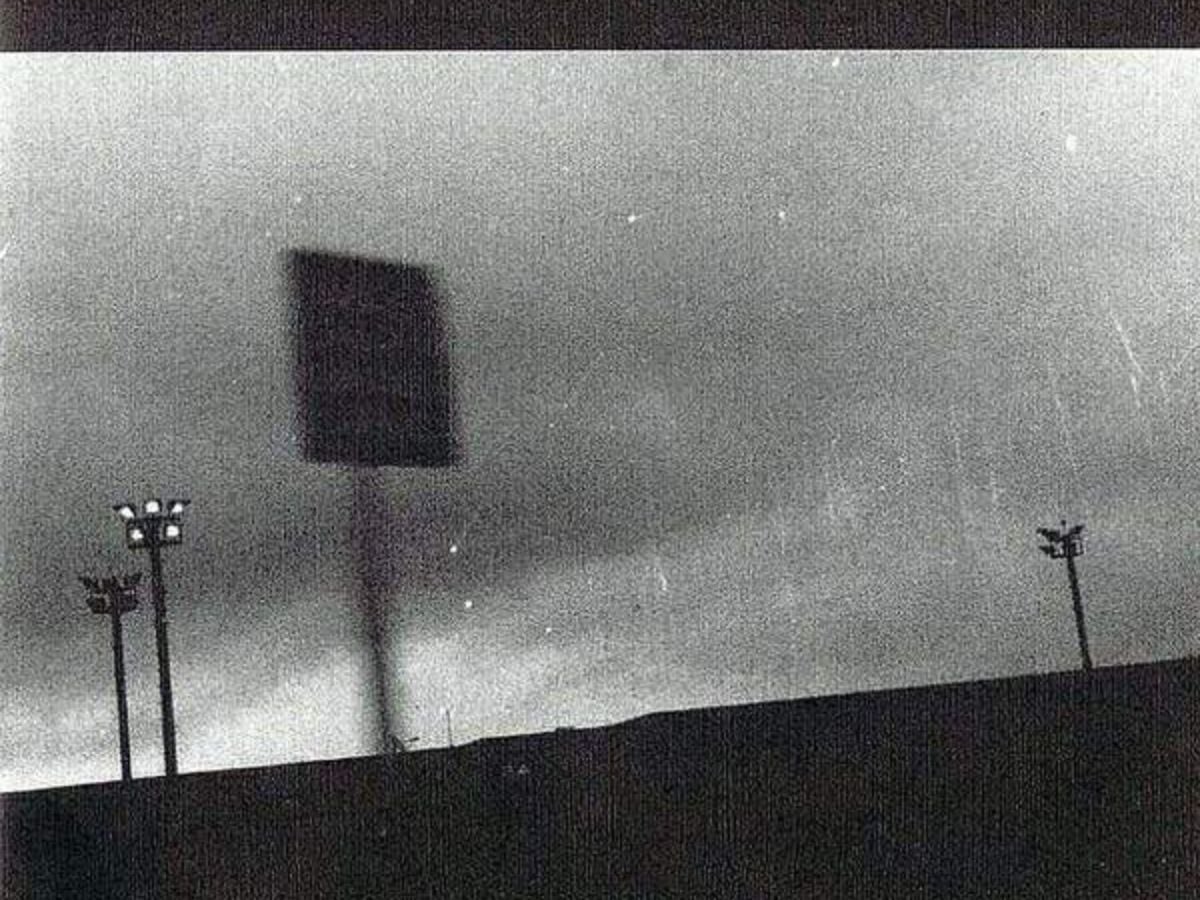
4. **F-A-∞ - Godspeed You! Black Emperor**
This album is a singular work that begins with the striking phrase: "The car is on fire and there is no driver at the wheel, and the sewers are all clouded with a thousand lonely suicides...". The disturbing cover, which shows a scene of devastation observed from a distance, perfectly captures the apocalyptic and dystopian atmosphere of the album. The art not only complements the musical content, but also reinforces the feeling of desolation and powerlessness that permeates the compositions.
5. **Whatever People Say I Am That's What I'm Not - Arctic Monkeys**
The cover of this debut album by Arctic Monkeys shows Chris McClure, the man in the image, with a cigarette in his hand, capturing the essence of a weekend full of parties and reflections. The photograph, taken during a riot in Liverpool, reflects the rebellious spirit and social chronicle present in the songs. Just like the album, the cover is timeless and faithfully represents the energy and cultural context of 2006.