Fiocruz paves the way for a new universal malaria vaccine; check it out
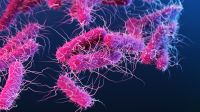
Scientists from Fiocruz have identified a set of protein fragments from the Plasmodium parasite that may contribute to the development of a vaccine against malaria with the potential to protect against different species of the microorganism and act at various stages of the infection.
The results were published this Wednesday (1st) in the journal Nature.
The research identified targets present in both Plasmodium falciparum and Plasmodium vivax, the two main species responsible for the disease in humans. Currently, approved vaccines have limited efficacy and are primarily aimed at P. falciparum.
The study investigated how the immune system recognizes the parasite. Instead of focusing solely on the production of antibodies, the researchers analyzed the role of CD8+ T lymphocytes, defense cells capable of identifying and destroying infected cells.
For more than 50 years, attempts have been made to develop a vaccine against malaria and, only recently, we have had vaccines approved with limited efficacy, aimed mainly at P. falciparum and children. One of the main challenges has always been finding good vaccine targets", explains researcher Caroline Junqueira, from Fiocruz Minas, coordinator of the study.
Fiocruz will conduct a study with an injection against HIV in seven cities | CNN NEW DAY
According to her, the work showed that CD8+ T lymphocytes also play an important role in fighting the parasite and made it possible to identify which proteins are recognized by the immune system.
In the first stage of the research, scientists identified small fragments of parasite proteins, called peptides, which are exposed on the surface of infected cells and can be recognized by CD8+ T lymphocytes. To do this, they used the immunopeptidomics technique, which combines immunology and proteomics to map the antigens presented to the immune system.
Identification work
In total, 453 peptides derived from 166 parasite proteins were identified.
Next, the researchers analyzed the origin of these fragments and found that most of them were made up of proteins known as housekeeping, responsible for essential functions for the parasite's survival. As these proteins remain present at different stages of the life cycle and are conserved among different species, they could represent targets for a vaccine with broader action.
"These proteins are required at all stages of the parasite's life cycle and are highly conserved among different species. This makes them very interesting targets for a universal vaccine", explains Junqueira.
Read also: Respiratory syncytial virus vaccine for pregnant women protects babies
In the next step, the team assessed whether the identified peptides were recognized by the immune system. The tests showed a response from cells from patients infected by P. vivax and P. falciparum.
The researchers also observed immune responses in three other species of Plasmodium, including those that infect primates and mice.
"We confirmed the immunological response in five different species and in multiple hosts, including naturally infected humans, humans subjected to experimental infection and animal models, both in mice and primates", says the researcher.
The experiments were carried out with human samples and animal models. In primates and mice, antigens also stimulated T cell responses in the liver, where the initial phase of infection occurs, and in the blood.
Source: CNN