EUROPEAN UNION MADE EASTERN EUROPEAN MORE BEAUTIFUL, BUT LESS AUTHENTIC, ARTICLE DEFENDS
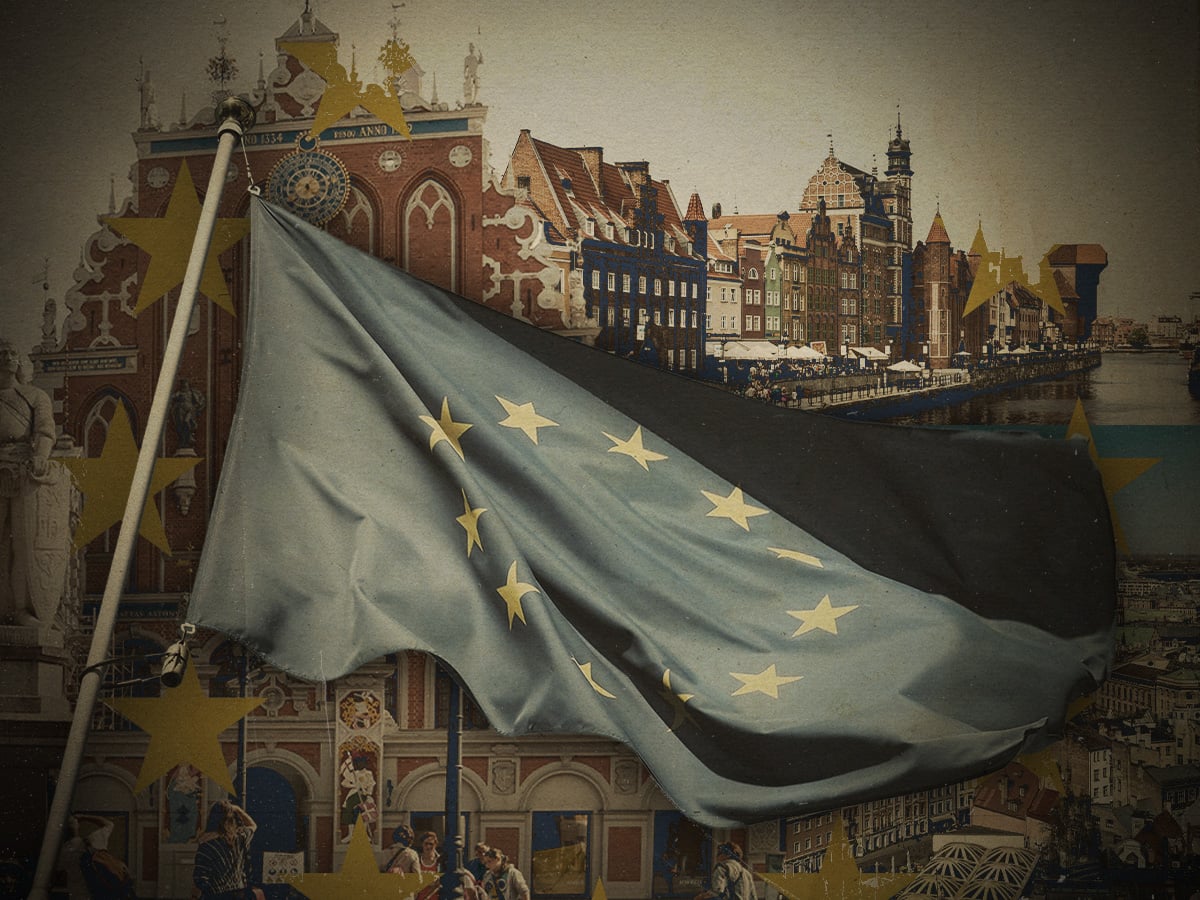
A new travel article from Far Out makes a provocative point: the European Union has improved life in several Eastern European countries, but it has also made the region more predictable, polished and less exciting for travelers.
The main thesis is that Eastern Europe has lost some of its sense of adventure. According to the text, places that previously seemed more raw, strange, cheap and unpredictable are now increasingly approaching the common tourist pattern found in other parts of Europe.
The author makes it clear that he is talking about the travel experience, not the quality of life of the residents. He recognizes that European investments have helped to modernize infrastructure, reduce poverty, improve social indicators and raise living standards.
The problem, according to the analysis, is that this modernization also brought homogenization. Cities that once had smoky bars, simple hostels, chaotic nightlife and an intense post-Soviet atmosphere have now become safer, more organized and more expensive destinations.
Riga is cited as an example. After a recent visit, the author realized that the city is still beautiful, welcoming and great for a romantic getaway, but very different from the wilder atmosphere he had known years before.
The text also mentions Prague, Budapest and cities in Poland as places that have lost some of their original harshness. Where there were once cheap bars and more improvised environments, today there are gastronomic markets, well-kept historic centers and a more standardized tourist experience.
The article highlights that, between May 2004 and December 2023, Poland received €245.5 billion in gross resources from the European Union, an amount equivalent to a significant portion of its annual GDP. These investments were important in modernizing the country, but they also symbolize the transformation that changed the appearance and experience of the region.
The article does not romanticize poverty or suffering. On the contrary, it recognizes that many changes have been positive. The criticism is cultural and touristic: by becoming safer, more modern and similar to the rest of the continent, some cities have lost their feeling of freedom, strangeness and discovery.
In the text's view, places like Serbia and Moldova still preserve part of this rawer energy. Chisinau, the capital of Moldova, is described as one of the most unique capitals in Europe, with Soviet buildings, imperfect streets and the feeling that something unexpected might happen.
The conclusion is that the European Union gave a lot to Eastern Europe, but it also accelerated the disappearance of some of the region's most eccentric and striking characteristics.