European Central Bank raises interest rates for the first time since 2023 and cites impact of war on energy prices
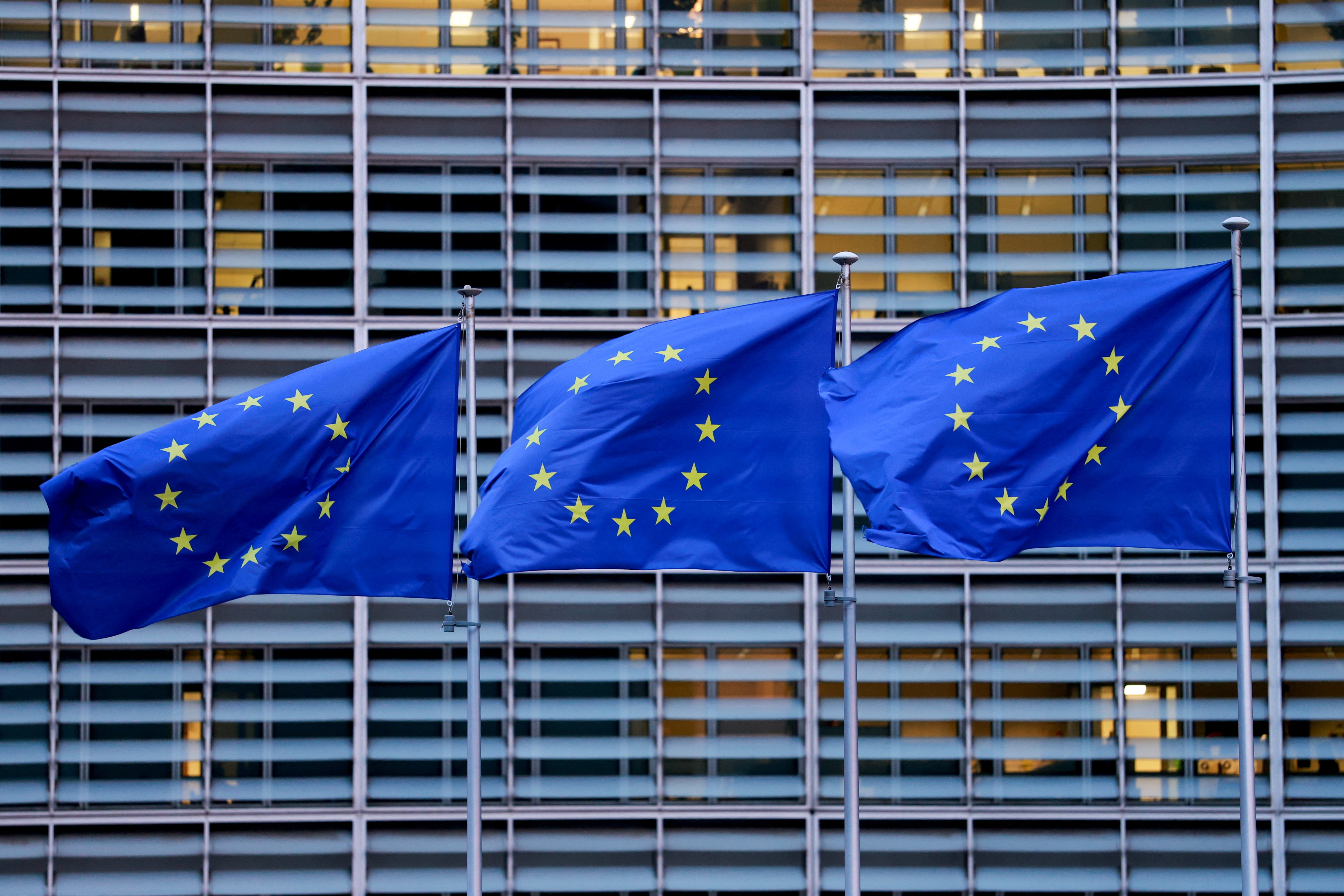
The European Central Bank (ECB) raised its main interest rate this Thursday (11) for the first time since 2023, in a decision motivated by the increase in inflation in the euro zone amid the economic effects of the war between the United States, Israel and Iran.
Do you have any suggestions for a report? Send to g1
The deposit rate, a reference for the bloc's monetary policy, rose from 2% to 2.25%. The measure was already widely expected by the market and marks the first reaction by a major central bank to the rise in energy prices caused by the conflict in the Middle East.
"The war in the Middle East is generating inflationary pressures, and the decision to raise interest rates is solid across a series of scenarios that describe how the shock could evolve and affect the medium-term outlook for the euro zone," the ECB said in a statement.
The institution highlighted that the scenario remains uncertain, with risks for both inflation and economic growth in the euro zone. region.
Now in g1
Inflation in the Euro zone
The monetary authority's concern gained strength after inflation in the euro zone accelerated to 3.2% in May, above the 2% target pursued by the ECB. At the same time, the institution revised upwards its projections for consumer prices in 2026, going from 2.6% to 3%.
During a press conference in Frankfurt, ECB President Christine Lagarde stated that the conflict in the Middle East is generating inflationary pressures and increasing the degree of uncertainty for the European economy.
According to her, the decision to raise interest rates was unanimous among the members of the institution's board.
Lagarde classified the increase as a necessary signal given the current scenario. The leader also argued that allowing inflation to get out of control could make it even more difficult to return to price stability in the coming years.
The decision comes at a delicate time for the euro zone economy. Although the ECB has only marginally reduced its growth projection for 2026 - from 0.9% to 0.8% - companies and families are already facing higher energy costs as a result of the war.
Some economists, however, question the effectiveness of the measure. The assessment is that the current acceleration in inflation is mainly linked to energy supply, and not to excess demand in the economy.
Act preventively
Despite the criticism, the ECB signaled that it considers it necessary to act preventively. The experience of the inflationary crisis that began in 2022, after Russia's invasion of Ukraine, continues to influence the institution's decisions.
At the time, the central bank was accused by the market of having been slow to react to the rise in prices.
Lagarde avoided anticipating what the next steps of European monetary policy would be. Still, the combination of above-target inflation, high energy prices and war-related uncertainties has led investors to consider the possibility of further interest rate increases in the coming months.
*With information from news agencies Reuters and AFP
Flags of the European Union
Stephanie Lecocq/Reuters
Source: G1