'Ethnic unity' law that puts pressure on minorities comes into force in China; understand
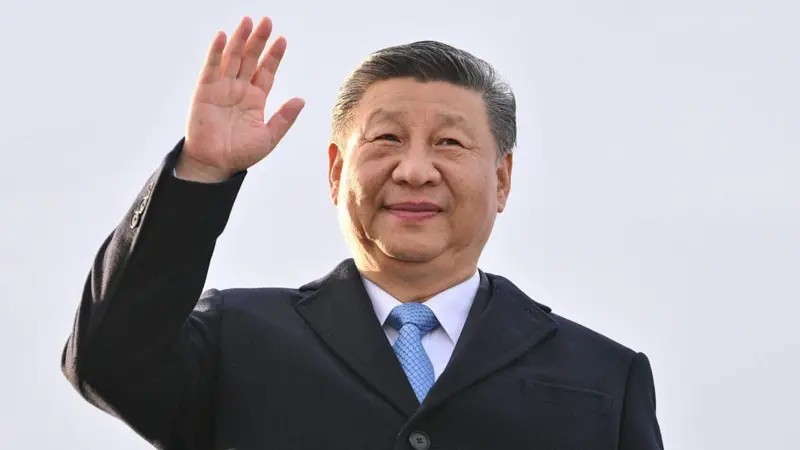
Under Xi Jinping, China's five-year plans focus on "high-quality development"
Grigory Sysoev/RIA Novosti/Pool/Anadolu via Getty Images/BBC
A new "ethnic unity" law came into force in China on Wednesday (1), despite international criticism over concerns that the legislation will promote the "forced assimilation" of minorities in the Asian country.
The Law on Promoting Unity and of Ethnic Progress seeks to forge a "shared" national identity and formalizes policies to promote Mandarin as the "common national language".
✅ Follow the g1 international news channel on WhatsApp
New ethnic unity law puts even more pressure on minorities in China
The text makes participation in "violent terrorist activities, ethnic separatism activities or religious extremism activities" a crime.
The organization Amnesty International stated that the legislation "puts pressure on groups ethnic groups such as the Uyghurs, Tibetans and Mongols to adopt a single national identity defined by the state and dominated by Han Chinese culture." Xi Jinping has a history of human rights abuses against ethnic minorities, and experts and international bodies fear that this situation will worsen with the new law. Understand the possible implications here.
China officially recognizes 55 ethnic minorities in its territory, but the government has established Mandarin as the official language of teaching in regions with a large population of ethnic minorities, such as Tibet.
The UN High Commissioner for Human Rights, Volker Türk, called for the law to be repealed, while Tibetan and Uyghur representatives declared last week that the legislation criminalizes their cultural, religious and linguistic identity.
The Ministry of Foreign Affairs of Taiwan on Wednesday expressed its "strong condemnation" of the law, which, in its assessment, increases "threats and intimidation against the people of our country and other nations."
"In the future, individuals from any country whose words or actions are considered unacceptable by China may be persecuted based on the law," the Taiwanese ministry added.
China considers Taiwan part of its territory and does not rule out the use of force to seize the democratically governed island.
Source: G1