Electricity bill: July tariff flag will remain yellow, Aneel decides
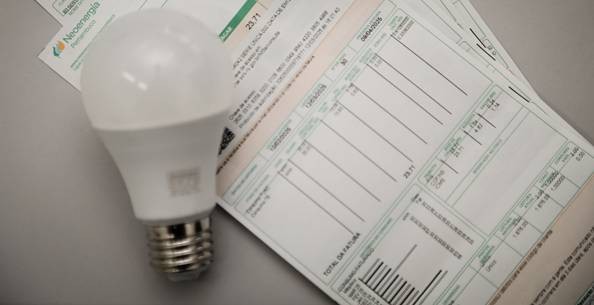
The tariff flag for the month of July will be yellow, announced the National Electric Energy Agency (Aneel) this Friday (26). As a result, Brazilians' electricity bills continue to increase by R$1,885 for every 100 kWh.
The tariff flag signals to the consumer the real costs of generating energy in the country. When generation becomes more expensive, the extra charge is automatically applied to the accounts.
"The maintenance of the yellow flag, active since April, reflects less favorable generation conditions in the country, typical of the dry period, when there is a reduction in hydroelectric reservoir levels and the need to activate thermoelectric plants, which have higher costs", stated the regulatory agency.
How the color system works
Now on g1
Aneel's color system signals generation conditions of energy. If it rains little and the hydroelectric plants generate less, it is necessary to activate thermoelectric plants, which are more expensive.
To pay for these plants, Aneel activates the yellow, red 1 or red 2 flags, with extra fees on the electricity bill.
Find out how much each flag costs
Each tariff flag activated by Aneel can generate an extra cost for the consumer:
green flag (favorable energy generation conditions) - free of charge extra;
yellow flag (less favorable conditions) - R$18.85 per MWh (megawatt-hour) used (or R$1.88 per 100kWh);
red flag level 1 (unfavorable conditions) - R$44.63 per MWh used (or R$4.46 per 100 kWh);
red flag level 2 (very unfavorable) - R$ 78.77 per MWh used (or R$ 7.87 for every 100 kWh).
Electricity bill
Neoenergia Elektro
Source: G1