El Niño threatens production and could make food more expensive in Brazil; see those most affected
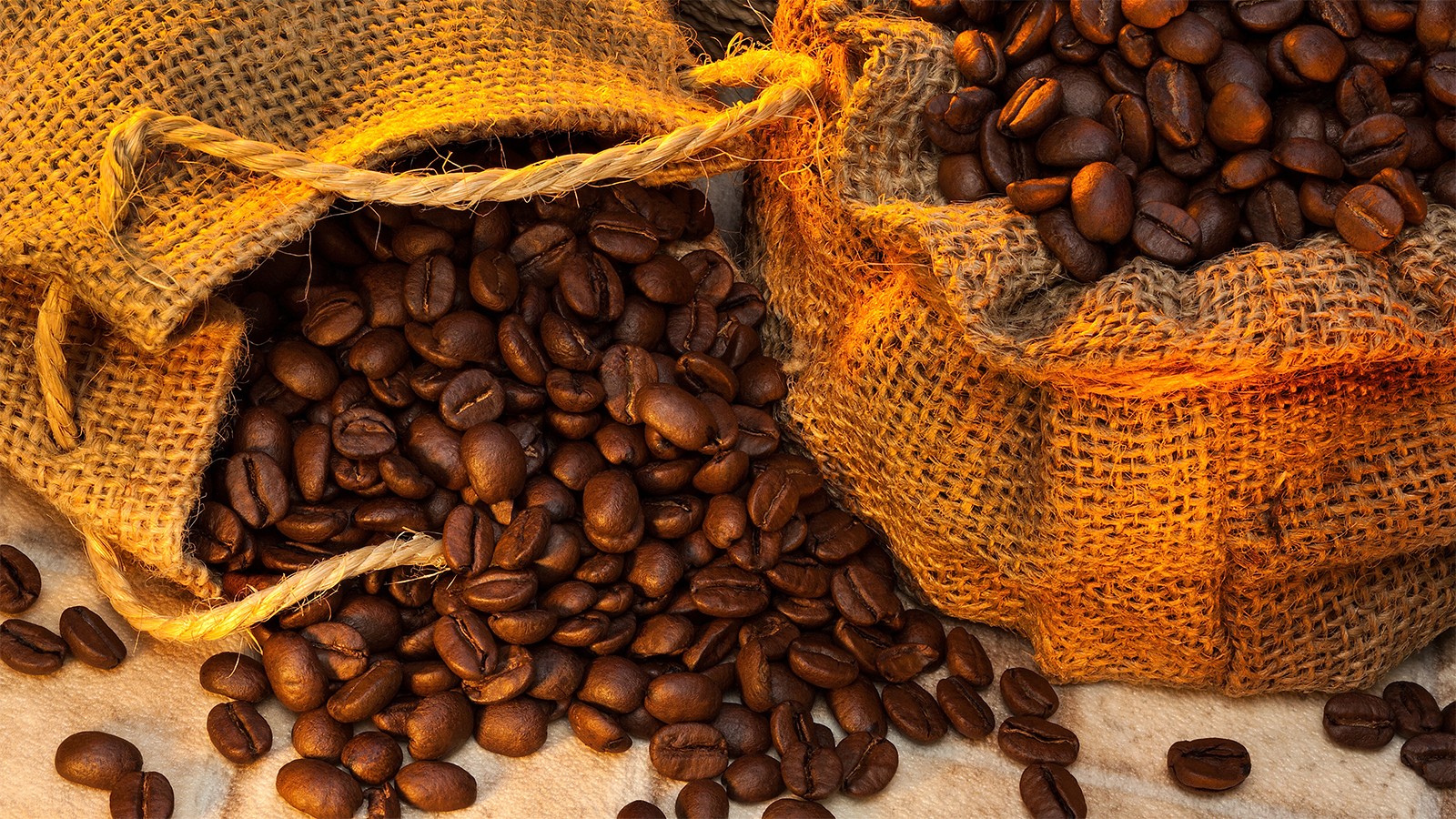
Coffee is Varginha's main export product.
Credit: Disclosure.
It's increasingly clear: El Niño could reduce the supply of some foods and increase prices in Brazilian supermarkets, say economists consulted by g1.
"It will certainly impact food prices. It's kind of inevitable, especially if it affects planting windows or even harms production at harvest time", says Leandro Gilio, researcher at Insper Agro Global.
El Niño is a climate phenomenon marked by the warming of the waters of the Pacific Ocean, which alters climate patterns around the world. It can cause droughts in some producing regions and more intense rains in others.
It is not yet certain what its intensity will be, but the United States Oceanic and Atmospheric Administration (NOAA) estimates a more than 60% chance of a very strong event in the period from November to January.
Do you have any suggestions for reporting? Send to g1
Now on g1
The first impacts should be felt in vegetables, which are more sensitive to changes in the climate. If El Niño is really more intense, food grown by harvest should become more expensive next year.
According to Cesar Castro Alves, manager of Agro Consulting at Itaú BBA, the main products that should be affected are corn, coffee, fruits, oranges, sugar cane, wheat and rice. Milk may also be impacted, depending on the level of rainfall in the South of the country.
According to the National Institute of Meteorology (Inmet), livestock farming should be the most affected activity in the Center-West and North, where there may be a lack of water for pastures.
The institute also predicts that some regions of the country may benefit. In the Northeast, the low volume of rain and heat favor the bean harvest. In the South, above-average rainfall could be good for winter crops.
Because of El Niño, the Ministry of Finance should increase its official forecast for inflation in 2026. The expectation is that prices will rise more than estimated in May, when the projection was 4.5%.
See below what the production of the main items looks like:
Coffee
El Niño causes irregular rainfall, which can be intense after periods of drought. This increases the risk of premature and uneven flowering in coffee crops. The flowers that appear may be aborted or form smaller grains.
Another point of attention is that the phenomenon favors higher temperatures, episodes of intense heat and loss of water from the soil.
For Arabica coffee, the most popular in Brazil and most sensitive to this type of stress, there may also be a loss of product quality.
This scenario raises concerns for the sector, which started the year with expectations of a record harvest, of more than 66 million bags, says Celírio Inácio da Silva, executive director of the Brazilian Coffee Industry Association (Abic).
The rains already recorded in producing regions delayed the harvest of conilon coffee. This can reduce quality and productivity, as well as favor pests and fungi.
"This will mean that the supply is not as good as imagined and the international market, already knowing that stocks are empty, begins to speculate and this could cause the price of raw materials to rise", says the executive director.
As a result, the industry would end up passing prices on to consumers.
For Arabica coffee, the main concern is production in 2027, which producers have already invested in to increase the planting area. If El Niño happens more intensely, the sector expects a loss of 25% of production, says Silva.
However, he states that it is still not possible to predict when this will happen, depending on how the phenomenon will develop in the producing regions.
Heat leaves coffee 'stressed', it could bring down Brazilian production and make the drink more expensive
Corn
In El Niño years, the global average corn productivity drops by around 4%, points out Itaú BBA.
This happens mainly in tropical regions, such as Southeast Asia, South China and Africa.
The behavior is the opposite of that of soybeans, which has productivity growth of up to 5%, driven mainly by countries such as the USA, Brazil and Argentina.
In Brazil, the main impact usually affects the second corn harvest. Irregular rains delay soybean planting in the Midwest. As a result, the harvest is also delayed and reduces the ideal period for planting corn.
With El Niño, some producers choose to reduce the planted area or decide to exchange the grain for sorghum, says Glauber Silveira, executive director of the Brazilian Association of Corn and Sorghum Producers (Abramilho). in the Central-West, because it can reduce productivity and increase the incidence of diseases.
Francisco Queiroz, specialist at Consultoria Agro do Itaú BBA, states that the planted area also grows less because of higher costs and lower profit margins.
According to him, a drop in production in Mato Grosso could affect corn prices on the international market.
Also know: Peru declares a state of emergency in 40% of the country due to rains caused by El Niño
Meat
If the price of corn rises in 2027, meat should also become more expensive, since the grain is an ingredient in the feed used in confinement farming, says Alves.
In addition, animal husbandry may be hampered by the reduced availability of pasture, due to water deficit and drought.
This harms milk production and makes it difficult for animals destined for slaughter to gain weight, explains Danyella Bonfim, technical advisor at the Brazilian Confederation of Agriculture and Livestock (CNA). Excessive heat also causes stress in animals, which start to eat less.
Fruits and vegetables
In southern Brazil, heavy rains can cause rot, loss of quality and delays in planting.
Foods such as onions, potatoes, tomatoes and carrots are the main ones affected, points out Itaú BBA.
Apples can be affected at the time of flowering and fruit formation, with the appearance of diseases.
Grapes, in Rio Grande do Sul, may experience a drop in production due to excess humidity.
In some regions, however, the reduction in reservoir levels may make irrigation difficult. This worries producers of more sensitive fruits, such as mango, papaya and grapes.
On the other hand, some crops may benefit.
For example, in the Northeast, dry weather and high temperatures will favor melons and watermelons in irrigated crops.
For oranges, the expectation is that there will be above average temperatures in the São Paulo citrus belt. The heat can harm the flowering, which takes place between September and November, and causing the flowers to abort and the young fruits to fall, points out Itaú BBA.
The orange harvest was already estimated to be reduced, due to the lack of profitability, lower consumption and diseases in the crop. With El Niño, the tendency is for it to be even lower, increasing juice prices and reducing the quality of the fruits, explains Wharlhey Nunes, analyst at Consultoria Agro do Itaú BBA.
Sugarcane
According to Itaú BBA, the phenomenon can cause unseasonal rains in the Center-South, the region responsible for around 90% of sugarcane crushing in the country.
Excess humidity It can also reduce the quality of raw materials and delay the accumulation of sucrose. As a result, the risk of harvesting sugarcane before the ideal point of maturation increases.
In plantations in the North and Northeast, drought and heat are likely to generate water and thermal stress, compromising the development of the plant.
READ ALSO
Brazilian honey will be defended in a hearing against tariffs in the USA
Brazil is expected to reach a meat export quota for China in August, and the price of beef cattle falls
EU-Mercosur Agreement passes in force in Brazil: what changes for agriculture
Source: G1