ECB fears about inflation persist despite falling oil prices
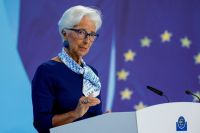
European Central Bank authorities celebrated the recent drop in oil prices this Tuesday (30), but warned that energy costs remain high and that the shock will linger in the economy for some time, fueling pressure on prices.
The ECB raised interest rates last month, and authorities are weighing whether to continue that monetary tightening in the coming months, even as prospects for a Middle East peace deal have led to a drop in oil prices since the June 11 interest rate decision.
Another movement has already been priced in by the markets and remains firmly on the agenda.
"In terms of the overall inflationary impulse, the fact that we have, perhaps for a few years, oil prices above the pre-war level essentially represents a cost-increasing impulse for the economy," ECB chief economist Philip Lane told Bloomberg TV.
German central bank president Joachim Nagel acknowledged that energy prices had fallen more quickly than the ECB had projected, easing some price pressures.
The ECB's more moderate scenario predicted that Brent oil prices would fall to US$78 a barrel by the end of the year, but they are already below US$73 and futures contracts point to further declines.
"I have to admit that the drop in energy prices, in oil prices, was a surprise," Nagel told CNBC.
However, both Nagel and Lane warned that supply constraints and the need to replenish oil stocks could keep prices relatively high for some time.
By Lucinda Pinto: ECB reinforces high interest rate scenario in the world | MARKET CLOSURE
"The energy price shock that began with the conflict in the Middle East is not over yet, it remains present in the system. Therefore, I expect inflation rates to remain significantly above our target," said Nagel.
Belgian central bank president Pierre Wunsch, for his part, said arguments in favor of another interest rate hike had diminished.
"We may need another increase - of course that's what the market is pricing in - but not as much as we thought in June," he told Bloomberg TV. "I prefer, if we believe we need another, to act quickly. That doesn't mean July."
Financial markets estimate the chance of an interest rate increase in July at around 33%.
Source: CNN