Ebola: understand the mutations and scientific responses to the virus
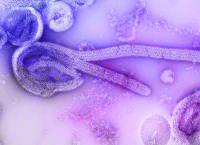
Ebola is considered one of the most serious infectious diseases with the highest fatality rate, as it has a class of pathogens, such as bacteria and fungi, which naturally have a high chance of mutating in the body of living beings.
This Saturday (30), in São Paulo, a suspected case of the disease, registered in a 37-year-old man, raised doubts among Brazilians about the risk of contagion and its genetic makeup.
An international study published in the journal Cell Genomics showed how Ebola (EBOV) can "hide" and evolve differently in different places in our body.
Genetic mutations: understand
Ebola is an RNA (ribonucleic acid) virus, responsible for the synthesis of proteins in the body's cells.
The study identified a specific pattern of genetic mutations. The analysis concluded that they do not occur only due to copying errors of the virus, but are driven by the RNA editing activity of the host itself (the infected organism), which tries to modify the viral genome (set of genetic material) as a form of defense.
The study also showed that mutations are not distributed equally. This shows that the virus is under different pressures: some parts it hits need to change for it to evolve and survive, while others need to stay exactly as they are for it to continue functioning.
As a result, because it is so powerful, it can enter different tissues, hide and carry out mutations in different places. In other words, the virus that is in the blood may be genetically different from the virus that is hidden in some reproductive organ.
This ability to create different and protected genetic forms within the body itself makes Ebola much more difficult to eradicate from the body and increases the chances of long-term complications.
With these mutations and different hosts, it can cause multiple organ failure in the individual who contracts the disease.
Ebola's pandemic potential is different from Covid-19, says infectious disease specialist | NOW CNN
Characteristics of the virus
According to the CDC (Centers for Disease Control and Prevention) in the United States, Ebola is a deadly and rare disease, with incidence mainly in the Sub-Saharan Africa region. Its causative virus was discovered by scientists in 1976.
According to the Mayo Clinic medical center, Ebola cannot be contracted through the air. The disease is passed on by animals such as bats that come into contact with humans.
From this, the infection is contracted through bodily fluids such as: blood, feces, vomit, urine, saliva, tears and sweat.
Ebola patients may experience symptoms between 2 and 21 days after infection. These symptoms may include fever, body aches, and fatigue.
As a person becomes sicker, the illness typically progresses to more severe symptoms, which can include diarrhea, vomiting, and unexplained bleeding.
Treatment involves controlling pain, fluids and patient nutrition.
Source: CNN