Ebola epidemic risk is 'low' globally and 'high' at national and regional levels, says WHO
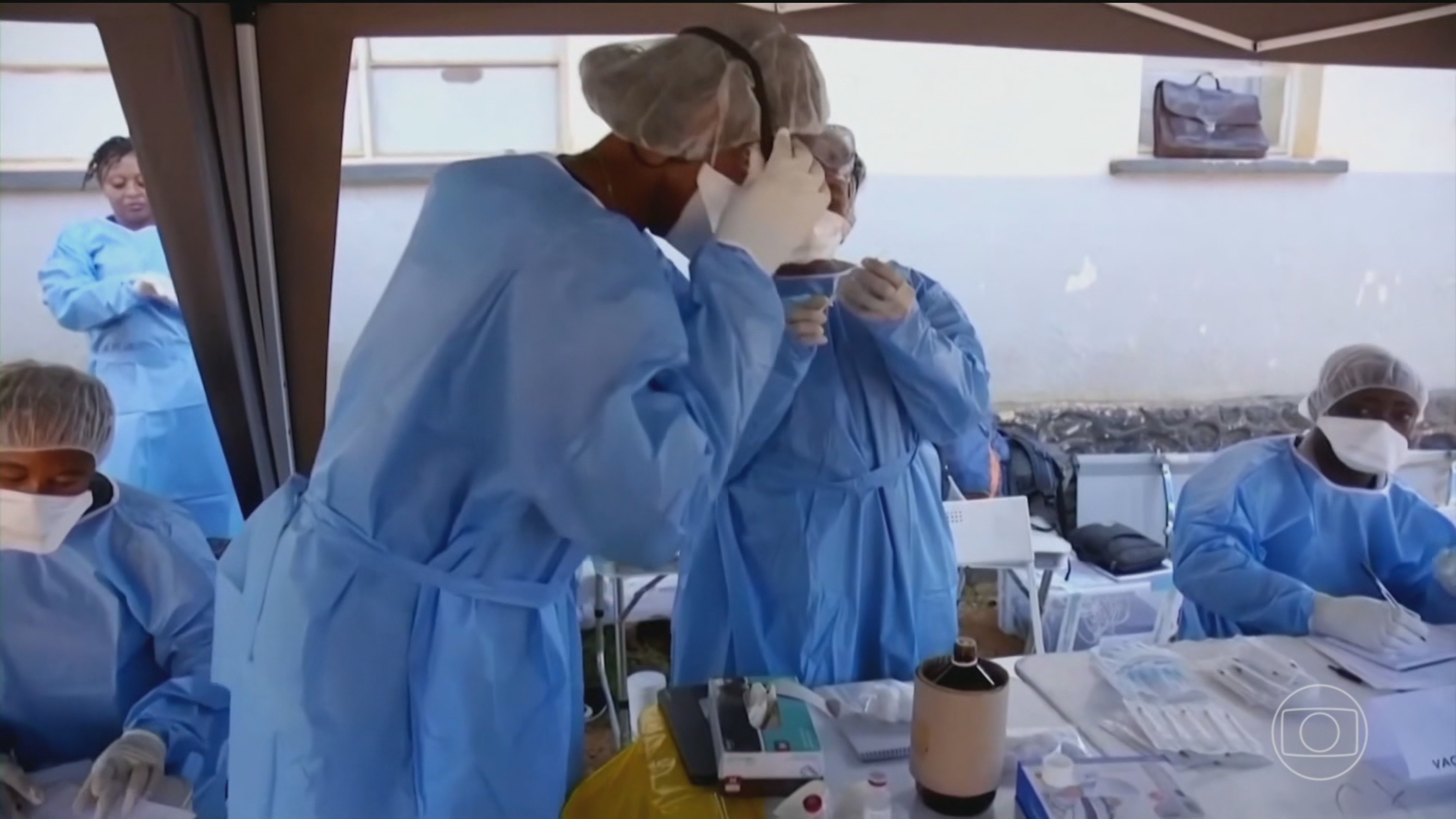
WHO very concerned about the scale and speed of the Ebola outbreak
The director-general of the World Health Organization, Tedros Adhanom Ghebreyesus, stated this Wednesday that the risk of the Ebola outbreak spreading in the Democratic Republic of Congo and Uganda is high at national and regional levels, but low on a global scale.
According to Tedros, to date 51 cases have been confirmed in Congo, in the provinces of Ituri and North Kivu. Despite this, he warned that the real scale of the epidemic could be even greater.
Uganda also notified the UN agency about two confirmed cases in the capital, Kampala. "In addition to the confirmed cases, there are almost 600 suspected cases and 139 confirmed deaths," Tedros said. "We expect these numbers to continue to rise."
On Tuesday, a WHO Emergency Committee met in Geneva and concluded that the outbreak of the rare Bundibugyo strain of the Ebola virus represents a public health emergency of international concern, but does not constitute a pandemic.
Tedros declared a state of emergency over the weekend - the first time a WHO director-general adopted the measure without consulting experts before the decision, he said, because of the gravity and urgency of the situation.
WHO held an emergency meeting to discuss the use of experimental vaccines against the Ebola outbreak in Congo
Jornal Nacional/ Reproduction
There are no approved vaccines for the Bundibugyo strain
The WHO expressed concern about the "scale and speed" of the advance of the Bundibugyo variant in eastern Congo.
Health experts and humanitarian workers say the virus circulated for weeks without being detected after the first recorded death. This happened because authorities were carrying out tests for a more common strain of Ebola, which gave negative results.
Currently, there are no approved vaccines or treatments for the Bundibugyo variant.
Congo is awaiting the shipment, by the United States and the United Kingdom, of doses of an experimental vaccine developed by researchers at the University of Oxford for different types of the virus.
"We will apply the vaccine and observe who develops the disease," said Jean-Jacques Muyembe. Experts warn, however, that results from this type of strategy take time.
Ebola is a highly contagious virus transmitted through contact with bodily fluids, such as blood, vomit and semen. The disease is rare but serious and often fatal. The main symptoms include fever, headache, muscle pain, weakness, diarrhea, vomiting, abdominal pain and unexplained bleeding.
In the largest outbreak ever recorded, just over a decade ago, more than 11,000 people died. Many infections occurred during funeral rituals, when family members washed the victims' bodies.
Death toll in Ebola outbreak in the Democratic Republic of Congo reaches 105
Jornal Nacional/ Reproduction
READ ALSO:
Ebola outbreak has left at least 100 dead in the Democratic Republic of Congo; CDC confirms case in US professional
How did the Ebola epidemic start in Africa, which became an international public health emergency?
WHO director says he is 'deeply concerned' about the Ebola epidemic in Congo
Source: G1