Earthquake in Venezuela: three of the biggest tremors in history occurred in South America; remember
See what is known about the 'double' earthquake that hit Venezuela and was felt in Brazil
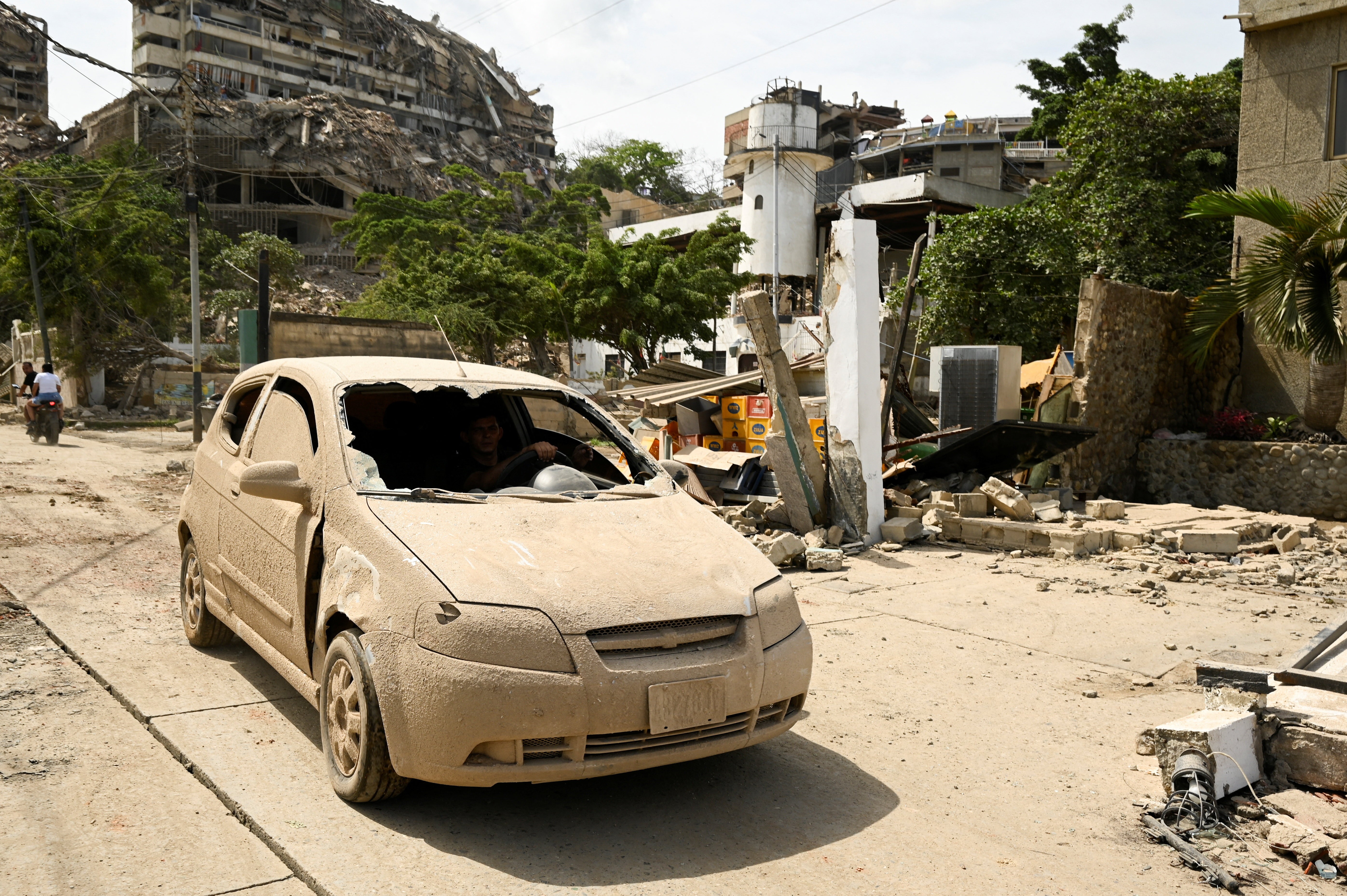
Two earthquakes of magnitude 7.5 and 7.2 hit Venezuela between the afternoon and evening of Wednesday (24), collapsing buildings and houses and leaving people missing. Despite the devastation, they did not reach the magnitude of the largest tremors ever recorded in the world - three of which occurred in South America.
At the time of publishing this article, 235 deaths had been confirmed and, according to unofficial data, 41,000 people were missing by the early afternoon of this Thursday (25th).
Favorite g1 on Google and follow the main news of the day
LIVE: See the latest updates on the earthquake
The biggest An earthquake ever recorded in history occurred in 1960, in the city of Valdivia, in southern Chile. With a magnitude of 9.5, the tremor killed around 1,655 people and generated a tsunami that crossed the Pacific Ocean, causing deaths in Hawaii, Japan and the Philippines.
Biggest earthquake in history, in Chile, in 1960.
Reproduction
In addition to leading the world ranking, Chile also appears again among the largest earthquakes ever recorded. In 2010, an 8.8 magnitude earthquake hit the Maule region, leaving 523 dead and around 800,000 homeless.
Another South American event on the list of the ten biggest earthquakes in history occurred in 1906, when an 8.8 magnitude earthquake in the border region between Ecuador and Colombia caused a tsunami that killed between 500 and 1,500 people.
Earthquake in Venezuela
Maxwell Briceno/Reuters
READ ALSO
VIDEO: Venezuelan shows destruction inside building
INFOGRAPHIC shows how Venezuela had two earthquakes in seconds
The biggest earthquakes in history
See below which were the biggest earthquakes in history, according to the USGS - United States Geological Survey (acronym in English for United States Geological Survey):
Valdivia, Chile (1960): magnitude 9.5 - The earthquake in southern Chile caused around 1,655 deaths and damage in the cities of Valdivia and Puerto Montt. Due to the tremor, a tsunami formed, destroying Puerto Saavedra. The tsunami also killed 61 people in Hawaii, 138 in Japan and 32 in the Philippines;
Alaska, USA (1964): magnitude 9.2 - The 1964 earthquake and tsunami in Alaska caused 131 deaths (122 from the tsunami and nine from the tremor) and destroyed cities such as Anchorage and Valdez. The tsunami hit Canada, the West Coast of the USA (15 deaths) and Hawaii;
Sumatra, Indonesia (2004): magnitude 9.1 - The 2004 earthquake caused more than 283 thousand deaths, 14 thousand missing and 1.1 million homeless in ten countries in South Asia and East Africa. The tsunami was the deadliest in recorded history, with global impacts on the Indian, Pacific and Atlantic oceans;
Honshu, Japan (2011): magnitude 9.1 - The 2011 earthquake and tsunami in Japan caused more than 15,000 deaths, 4,000 missing and 130,000 homeless, with severe damage in Iwate, Miyagi and Fukushima. The tsunami affected the Okuma nuclear plant and caused damage in the USA, Chile, Peru and Antarctica;
Kamchatka, Russia (1952): magnitude 9.0 - The earthquake generated a tsunami that caused damage in Hawaii. The tsunami was also recorded in California and Alaska. There were no deaths recorded;
Ecuador-Colombia (1906): magnitude 8.8 - The earthquake generated a tsunami that killed between 500 and 1,500 people and caused severe damage in Colombia, destroying 49 homes. The tsunami was observed along the coast of Central America as far as Japan, with waves measuring 3.6 meters in Hilo, Hawaii, and 5 meters in Colombia;
Maule, Chile (2010): magnitude 8.8 - The earthquake and tsunami caused 523 deaths, 24 missing, 12,000 injured and 800,000 homeless. Damage occurred in Concepción, Talcahuano and other locations, with economic losses of US$30 billion. The tsunami affected several regions, including the USA and Japan;
Rat Islands, Alaska, USA (1965): magnitude 8.7 - The earthquake generated a 10.7 meter tsunami in Shemya, with damage to buildings and infrastructure on Adak, Shemya and Attu Islands. Flooding in Amchitka caused about $10,000 in losses.
No deaths were recorded;
Alaska, USA (1946): magnitude 8.6 - The earthquake generated a tsunami that devastated the Scotch Cap lighthouse, killing its five occupants. The tsunami caused 159 deaths and US$26 million in damage in Hilo, Hawaii, as well as one death in California;
Assam, Tibet (1950): magnitude 8.6 - The earthquake killed 1,530 people and destroyed 2,000 homes, temples and mosques. The Brahmaputra area was devastated, with landslides and a 7-meter wave on the Subansiri River, which killed 536 people;
Sumatra, Indonesia (2012): magnitude 8.6 - At least two people died, nine died of heart attacks and 12 were injured. Some buildings were damaged in Aceh;
Sumatra, Indonesia (2005): magnitude 8.6 - The earthquake caused at least a thousand deaths, 300 injuries and 300 buildings destroyed in Nias; 100 deaths and several injuries in Simeulue; 200 deaths in Kepulauan Banyak; three deaths and 40 injured in Meulaboh, Sumatra. A 3-meter tsunami damaged the port and airport of Simeulue;
Alaska, USA (1957): magnitude 8.6 - The earthquake was first assessed as a scale of 9.1, and was later revised to 8.6. It caused the destruction of two bridges on Adak Island and damage to houses. A 4.5 meter crack was formed in a road, and a part of the pier on Umnak Island was destroyed. The earthquake generated a 15-meter tsunami, which caused the destruction of villages in Hawaii, with losses of US$5 million;
Atacama, Chile (1922): magnitude 8.5 - The earthquake had its magnitude revised from 8.7 to 8.5. The resulting tsunami affected cities such as Coquimbo, causing flooding and more than 100 deaths in Chile. The tsunami also hit Hawaii;
Tual, Indonesia (1938): magnitude 8.5 - The earthquake caused extensive damage on the Banda and Kai Islands, with tsunamis devastating the region, especially in Tocal. USGS does not report how many deaths occurred in the affected region;
Kuril Islands, Russia (1963): magnitude 8.5 - USGS does not report how many deaths occurred in the affected region;
Kamchatka, Russia (1923): magnitude 8.4 - USGS does not report how many deaths occurred in the affected region;
Arequipa, Peru (2001): magnitude 8.4 - At least 74 people died, including 26 due to to a tsunami; 2,689 were injured and 17,584 homes were destroyed in the Arequipa-Camana-Tacna region. The tsunami, resulting from the tremor, caused the death of 64 people in the Camana-Chala area, and landslides blocked roads;
Honshu, Japan (1933): magnitude of 8.4 - At least 3 thousand people died due to the earthquake and the tsunami it generated, which caused the destruction of around 5 thousand houses, of which almost 3 thousand were washed away;
Sumatra, Indonesia (2007): magnitude of 8.4 - At least 25 people died and 161 were injured in Bengkulu and Sumatera Barat, with 56,425 buildings damaged or destroyed. The earthquake generated a tsunami that caused damage to buildings in the Serangai area, north of Bengkulu.
The largest earthquakes recorded in the world.
Otavio Camargo and Guilherme Pinheiro | Art g1
Source: G1