Dollar is falling, with an eye on the conflict between the US and Iran and Brazil's fiscal situation
Understand what makes the price of the dollar rise or fall
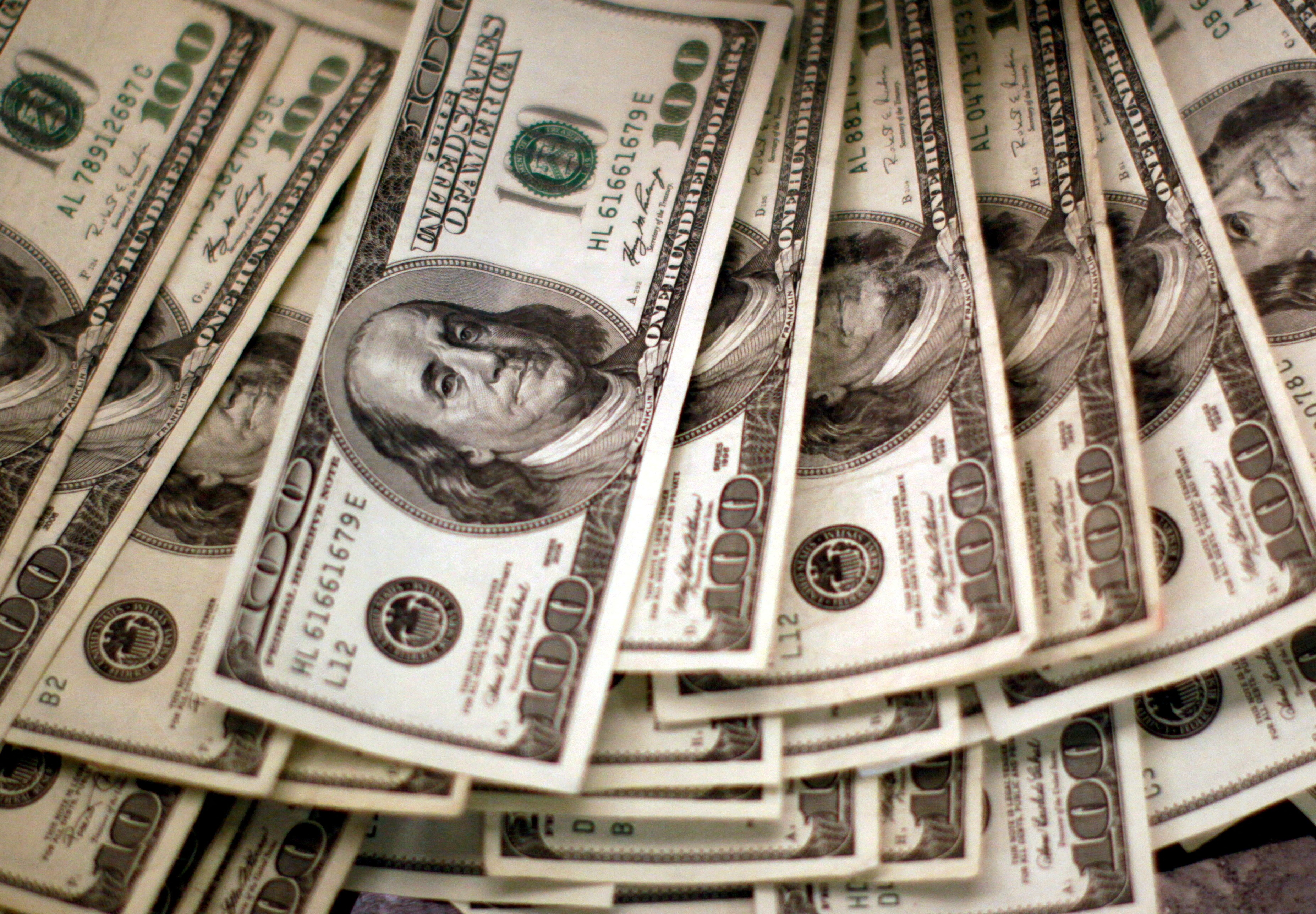
The dollar was falling this Thursday (11), with a decrease of 0.20% close to 9:10 am, quoted at R$ 5.1619. Negotiations on Ibovespa, the main index on the Brazilian stock exchange, begin at 10 am.
Do you have any suggestions for a report? Send to g1
▶ The exchange of air strikes between the United States and Iran and the fear of a new escalation continue to worry financial markets. Despite the relief in oil prices this Thursday, analysts indicate that commodity prices have already begun to put pressure on global inflation and force central banks to adopt a more cautious monetary policy, that is, to be more likely to keep interest rates high.
Even in the face of concerns about an escalation in tensions, oil prices were falling this Thursday. Around 8:50 am, a barrel of Brent, an international reference, fell 1.37%, quoted at US$ 91.82. West Texas Intermediate (WTI), from the United States, had losses of 1.22%, quoted at US$ 88.93 a barrel.
▶ Signs of pressure on global inflation also increase expectations for interest rate decisions by central banks around the world. This Thursday, the European Central Bank (ECB) is due to hold its monetary policy meeting - and the expectation is that there will be an increase in interest rates in the euro zone. Next week it will be the turn of the Federal Reserve (Fed, the American central bank) and the Central Bank of Brazil, in the so-called Super Wednesday. This will be the first meeting of the American BC with the institution's new president, Kevin Warsh.
▶ Brazil's fiscal framework also remains in the sights of investors, after the Senate Justice Committee approved, the day before, measures that could increase government spending by around R$200 billion. Analysts point out that the sustainability of public accounts is the main challenge for the Brazilian economy and could also push for higher interest rates in the country.
See below more details of the day in the market.
Dollar
a
Accumulated for the week: +0.30%;
Accumulated for the month: +2.57%;
Accumulated for the year: -5.77%.
Ibovespa
Accumulated for the week: -0.21%;
Accumulated for the month: -2.95%;
Accumulated for the year: +4.68%.
New clashes between the USA and Iran increase caution
The escalation of tensions in the Middle East once again worries financial markets this Wednesday. The day before, Trump accused Iran on Tuesday (9) of shooting down an American helicopter near the Strait of Hormuz and stated that the US "will need to respond" to the Iranian attack.
A US military official told the US website Axios that an Iranian drone hit the helicopter, causing it to crash. The investigation into the incident has not yet determined, however, whether the drone attack on the Apache was intentional. (follow the main events)
The American president has been trying to seek a peace agreement in the Middle East and even warned Israel not to resume the war against Iran. On Monday, Trump even said that an agreement would be in the "final phase" and could take another "two or three days".
Trump's speech, however, changed. This Wednesday, the American president called Iran a "bully of the Middle East" and stated that the country will now have to "pay the price" for not accepting a peace agreement.
In a post on the Truth Social network, Trump once again said that the Iranian Armed Forces are destroyed and threatened:
"Iran's Armed Forces are complete chaos. Most of them, like the Navy and the Air Force, don't even exist anymore - they have been completely defeated. Iran just talks and doesn't act.
The Middle Eastern bully is DEAD!!! They took too long to negotiate an agreement that would have been great for them, now they will have to pay the price!!!"
Shortly after the statement, the US president also gave an interview to the American broadcaster Fox News, where he announced that he was close to ordering new attacks on Iran's power plants and bridges.
In the afternoon, Trump stated that he must attack Iran again and highlighted that he carried out a secret operation in the Strait of Hormuz to free oil tankers.
Markets global
In Asia, shares in China and Hong Kong closed down, following the devaluation of regional markets. Shanghai's SSEC lost 0.16%.
Dollar notes.
Rick Wilking/Reuters
Source: G1