Diver dies of decompression sickness in Maldives; understand what happens in the body
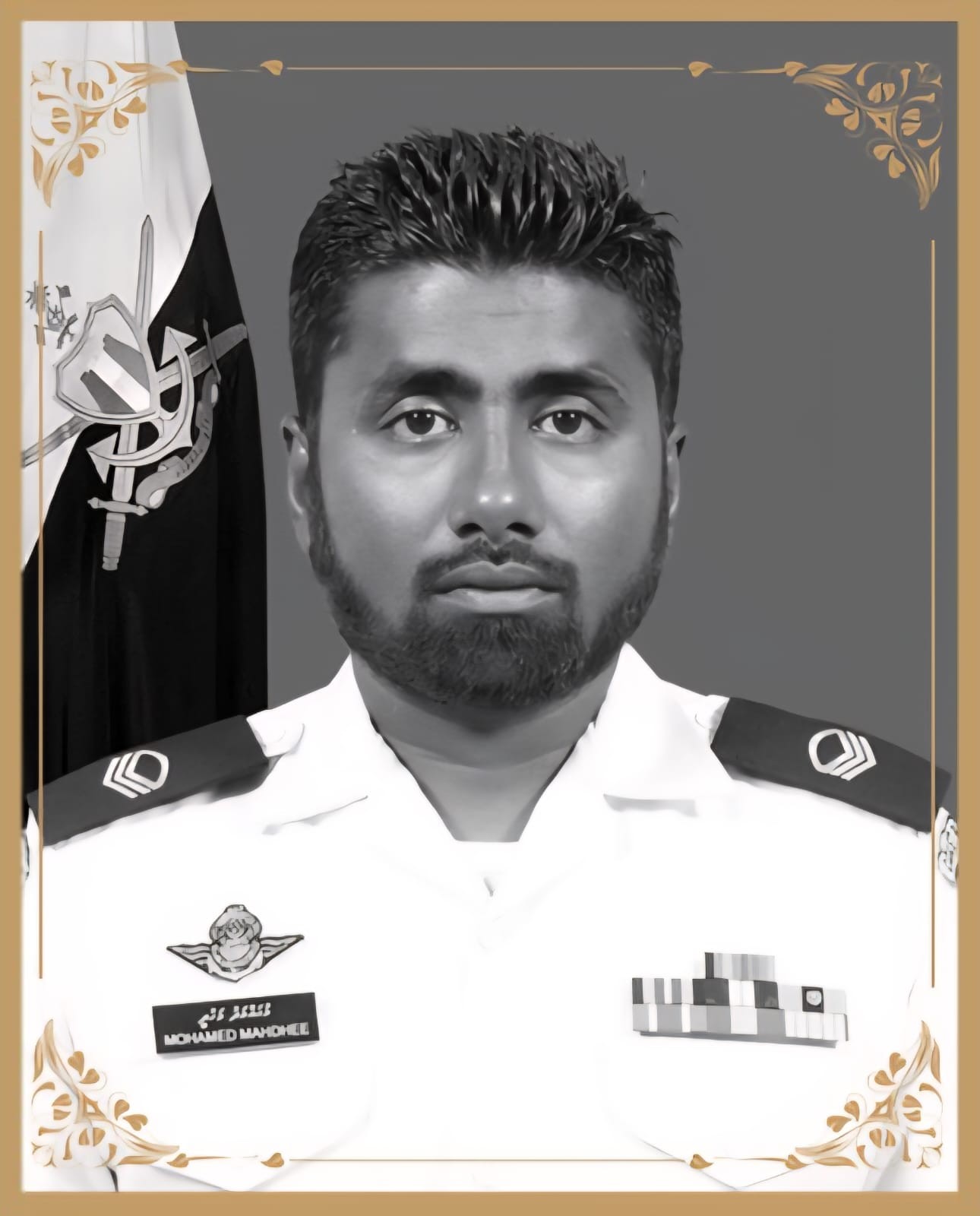
Mohamed Mahudhee died during an operation to rescue Italian divers in the Maldives.
Reproduction/@MMuizzu via He was participating in the search for four Italians who disappeared in underwater caves in Vaavu Atoll when he developed decompression sickness and couldn't resist.
The condition is one of the best-known risks of deep diving. It happens when the diver rises to the surface too quickly and the body is unable to eliminate the gases accumulated during the time submerged. The result can be a fatal gas embolism.
What changes in the body when you are underwater
At sea level, the human body lives under a pressure equivalent to one atmosphere. For every ten meters of depth, this pressure increases one more atmosphere - which completely changes the behavior of gases within the organism.
The air breathed by the diver is mostly composed of nitrogen. Under normal conditions, this gas barely participates in blood circulation. But under high pressure, it begins to be absorbed in much greater quantities by the blood and tissues.
Death in the Maldives: high-risk operation attempts to rescue the bodies of divers
"In everyday life, we barely absorb nitrogen through the bloodstream. But, in deep diving, the body is subjected to much greater pressure than normal atmospheric pressure. This causes this nitrogen to enter the body in much greater quantities", explains Ricardo Katayose, cardiovascular surgeon at BP - A Beneficência Portuguese from São Paulo.
For neurosurgeon Helder Picarelli, from the Cancer Institute of the State of São Paulo, the risk begins even before the climb. "The greater the depth, the more the gases diffuse and dissolve in the blood, muscles, fat and brain", he explains.
"While the diver remains at the bottom, this nitrogen is dissolved without causing harm. The problem is the return."
Why the ascent needs to be slow
When the diver begins to ascend, the external pressure drops. To eliminate the accumulated nitrogen, the body depends on the lungs: the blood passes through the lung alveoli and the gas is gradually released through breathing.
If the rise is too fast, this process does not happen in time.
To understand why, it is worth thinking about how the blood works. It circulates throughout the body and, with each turn, passes through the lungs - where it exchanges carbon dioxide for oxygen. It is along this same path that the nitrogen accumulated during diving can be eliminated: the gas leaves the blood, passes into the lung alveoli and is expelled through breathing.
But this takes time. When a diver ascends too quickly, the blood does not complete enough rounds through the lungs before the pressure drops. And that's where the problem begins: with nitrogen still dissolved in excess and the external pressure decreasing quickly, the gas can no longer remain in a liquid state - and begins to form bubbles inside the blood vessels themselves.
How bubbles appear in the blood
The mechanism resembles that of a bottle of soda. While closed, the gas remains dissolved in the liquid because of the internal pressure. When the lid is opened, the pressure drops abruptly - and bubbles appear.
Inside the organism, something similar happens when nitrogen is not eliminated in time. With the sudden drop in pressure, the gas goes from a dissolved state to a gaseous state and begins to form microbubbles in the bloodstream.
These bubbles circulate throughout the body and function as small air clots. By blocking arteries and smaller vessels, they prevent oxygen from reaching tissues and organs.
"These bubbles end up functioning as thrombi within the circulation", summarizes the doctor.
That is why technical dives follow strict return protocols, with so-called decompression stops - mandatory pauses at certain depths before continuing to ascend.
They exist precisely to give the body time to eliminate excess gas.
What symptoms does the disease cause
Decompression sickness has varying severity. In the mildest cases, the diver feels joint pain, red spots on the skin, fatigue, dizziness and numbness - symptoms that can appear minutes or hours after leaving the water. In the most serious cases, the bubbles reach vital organs. When they reach the lungs, they cause severe shortness of breath. In the brain, they cause neurological changes and loss of consciousness. In the heart, they can trigger cardiorespiratory arrest.
According to Picarelli, the consequences can include stroke, heart attack and cardiac arrest. The bubbles are also capable of destroying the lung alveoli and damaging the spinal cord - which explains cases of divers who became paraplegic.
The treatment is carried out in hyperbaric chambers: the patient is once again subjected to high pressures, in a controlled manner, so that the bubbles decrease and the nitrogen is gradually eliminated.
Diving in the Maldives
The operation in which Mahudhee died was considered high risk by local authorities. The missing Italians would have dived in a region close to 50 meters deep - above the recommended limit for recreational diving, which is around 40 meters.
The sergeant was described as experienced and had already made descents of up to 70 meters. But depth, time submerged, physical effort and speed of ascent are factors that add up - and can increase the risk of decompression sickness even in trained professionals.
Source: G1