Digitalization and AI advance on highways and change the logic of infrastructure
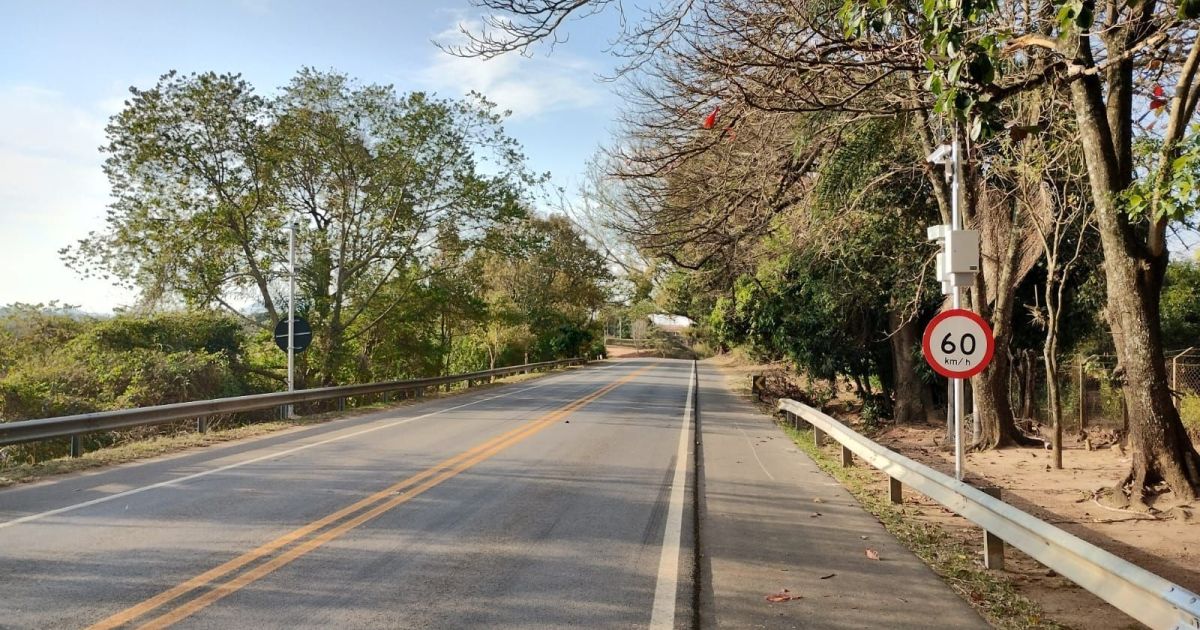
The use of AI (Artificial Intelligence) is a trend in the management of the Brazilian road network. In Minas Gerais, the benefits of using technology can already be seen: there was an 80% reduction in the number of potholes on roads under the responsibility of the State according to the Department of Highways (DER-MG), reflecting the possibility of continuous monitoring and agility in maintenance actions based on data digitization.
And it's not just in the state of Minas Gerais. Kartado, a Brazilian startup specialized in digitizing information for the infrastructure sector, serves more than 50% of highway concessionaires in the country and data obtained from customers shows that the use of these technologies resulted in up to 98% in time savings in operational processes: the reduction in report generation fell from 8 manual hours to 10 automatic minutes. With the management of data obtained in the field, when workers switched from using paper or messaging applications to dedicated technology, time savings reached 75%.
AI - with the ability to integrate data sources, automate tasks, as well as decision making and speed of action - will change the game for the sector and solve historical pain points in the infrastructure sector. It will practically be as if managers were able to talk to their assets to optimize resources and provide a better service to the population.
Today, according to consultancy McKinsey & Company, companies that do not yet have good data governance spend around 30% of the total time of services provided on tasks related to collecting, preparing and correcting data due to their low quality or lack of availability, which limits the ability to use this information for analysis and strategic decisions.
According to the Brazilian Chamber of the Construction Industry (CBIC), the segment is among the least digitalized in the country, very dependent on paper, informal communication, little automation and real-time monitoring, in addition to low data integration. Data entered manually into spreadsheets often needs to be reviewed and standardized, a process that takes time, reduces productivity and increases the risk of inconsistencies.
In contrast, when data management is carried out in a structured, integrated and process-oriented way, the impact goes beyond the organization of information. An example of this is the BR-040, 881 kilometers long and which connects the border with Goiás to Rio de Janeiro. It is one of the busiest and most strategic corridors in the country, cutting through Belo Horizonte and the heart of mining, steel and agribusiness areas. The new technology allowed the recording of 176,073 notes or technical reports of problems, holes, cracks or defects in the pavement and signage over 8 years - which made it possible to resolve these problems quickly.
The trend is for technology combined with innovation to help dealerships maintain their position and improve services. Technology allows you to connect operational efficiency with regulatory transparency and modernization. At least 80% of the 20 best road concessions already digitize information, which helps them guarantee better contract fulfillment: by knowing more quickly where the problems are, they are able to assess their criticality to define which ones need to be resolved first, be they holes, damaged signs or tall vegetation, for example. In addition to ensuring the safety of the population, it protects the concession from the contractual risk of a possible fine, which could reach millions of reais.
The initiative that has been positive for road concessions can also be advantageous for other companies in the infrastructure sector. Whether for those who provide services such as energy, sanitation, or even ports and airports, easy access to information through digitalization speeds up analysis, allows better decision-making by managers and a better service in general for the population.
* Pedro Fornari is a specialist in digital transformation in public infrastructure and CEO of Kartado
The articles published by CNN Infra seek to stimulate debate, reflection and shed light on views on the main challenges, problems and solutions faced by Brazil and other countries around the world. The texts published in this space do not necessarily reflect the opinion of CNN Brasil.
Source: CNN