David Bowie Revealed Who Was the Biggest Band of the 1970s and the Choice Still Surprises Fans
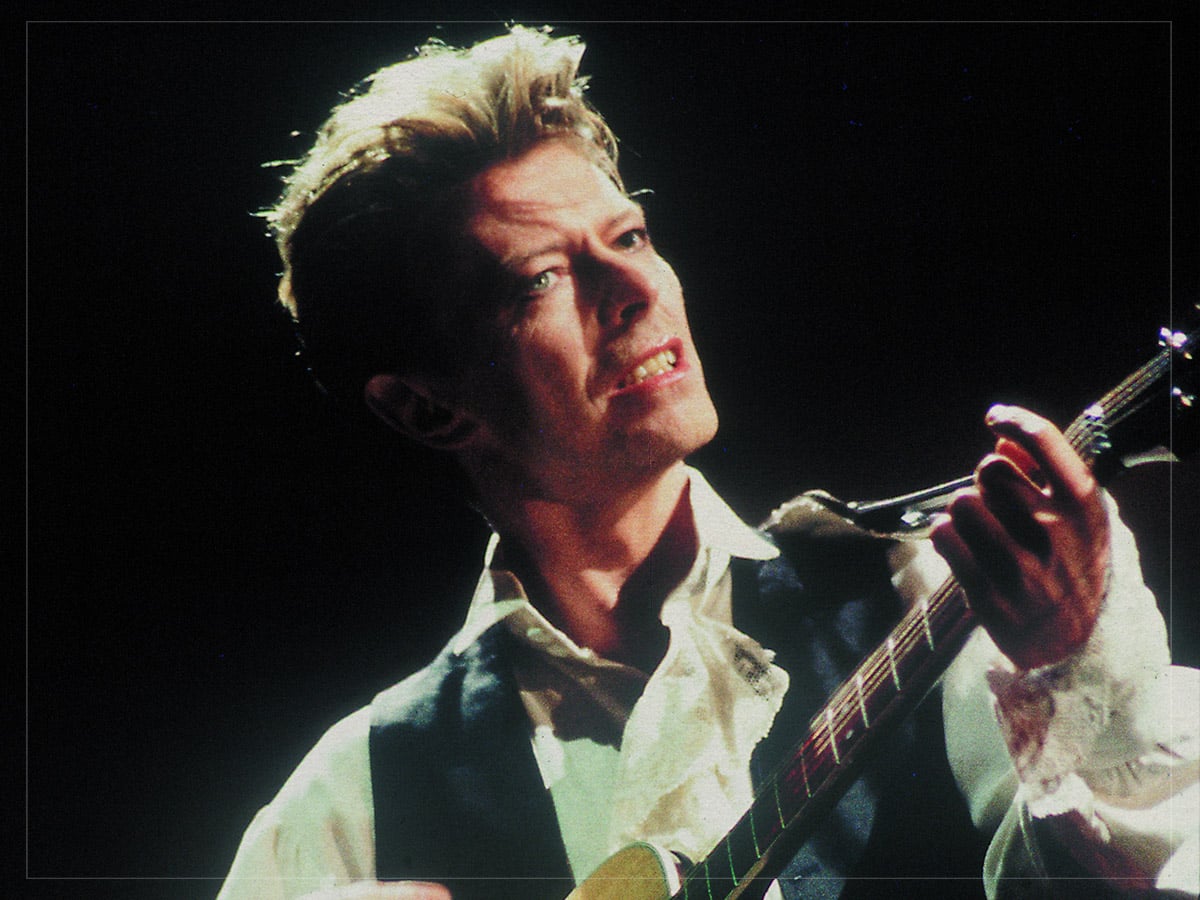
Throughout his extraordinary career, David Bowie was never afraid to recognize the genius of other artists. Although he was one of the most innovative and influential figures in popular music, Bowie always demonstrated deep admiration for musicians and bands he considered revolutionary.
Among all the formations that emerged during the 1970s, one in particular achieved a privileged place in its vision of the history of rock. In interviews and reflections on the music of that period, Bowie highlighted a band that, for him, represented what was most creative, daring and transformative at the time.
The 1970s were marked by an explosion of styles. Progressive rock reached its peak, glam rock gained strength, punk began to emerge and popular music underwent an unprecedented transformation. Bowie was at the center of many of these changes, creating iconic characters and releasing records that redefined the boundaries of pop art.
Precisely because he lived that period so intensely, his opinions about other artists carried enormous weight within the music industry. When Bowie singled out a band as exceptional, many fans and critics paid attention.
His admiration was based not only on the technical or commercial quality of the groups, but mainly on their ability to innovate and challenge conventions. Bowie valued artists who expanded creative horizons, something he himself did throughout his career.
Over the years, the singer has shown respect for countless names that have shaped modern music. His comprehensive artistic vision allowed him to recognize talents in different styles and cultural movements.
More than simple praise, his observations worked as a kind of map to understand which artists really influenced one of the most brilliant minds in the history of music. Therefore, any statement by Bowie about his contemporaries continues to arouse interest even years after his death.
The artist's influence remains gigantic. His work continues to be studied, celebrated and rediscovered by new generations, while his opinions on music continue to serve as a reference for fans, musicians and researchers of popular culture.