Crisis in Haiti is the most serious in the Western Hemisphere, says UN chief
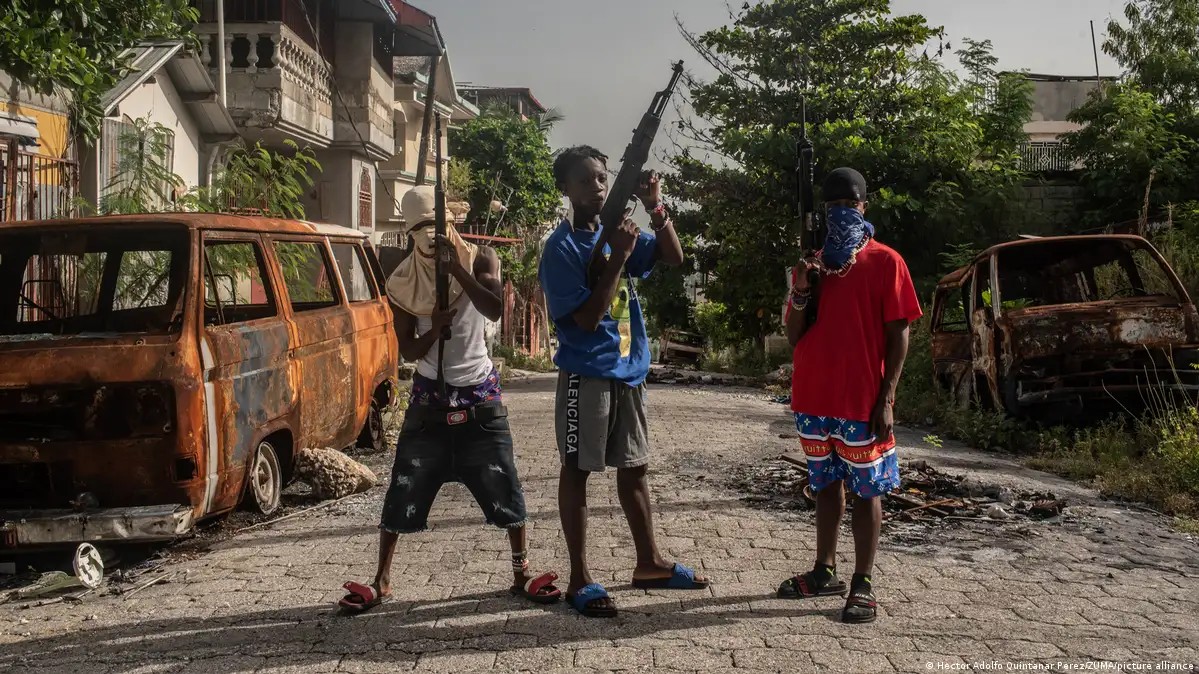
Haiti has been gripped by gang violence; today, according to the UN, one in every two of its members are children.
Hector Adolfo Quintanar Perez/ZUMA/picture alliance via DW
Haiti "faces the most serious crisis in the Western Hemisphere", warned on Tuesday (17) the secretary-general of the United Nations (UN), António Guterres, during a trip to the Caribbean country.
✅ Follow the g1 international news channel on WhatsApp
Second Guterres, on a global level, the situation in Haiti is no worse than in Sudan and the Palestinian Territories.
In a press conference with journalists, the UN chief pointed to gang violence that "terrorizes" the population as the cause of the crisis that led 1.5 million to flee to the interior of the country and left more than half of its 11.7 million inhabitants depending on humanitarian aid to have something to eat.
"Every day is a fight for survival," he said Guterres on the Haitians. "I spoke to many men, women and children who only have one meal a day."
Now on g1
Violence in the country has resulted in 2,300 deaths this year alone, according to the UN. In 2024, the country was the world leader in homicides, according to a survey by the NGO Igarapé.
On average, more than 20 women and girls were attacked per day in the first quarter of this year, and the number of children recruited by gangs tripled, Guterres reported. "Now one in two gang members is a child."
Guterres criticizes "indifference" from the international community
The poorest country in the Americas, Haiti has suffered for years from instability, while powerful gangs murder, rape, loot and kidnap on a rampant basis.
"Let's be clear: gangs have terrorized Haiti. Institutions have been weakened," said Guterres. "But the greatest shame is indifference - the indifference of a world that has looked the other way."
Guterres lamented that the UN response plan for Haiti is the "least-funded" UN humanitarian program. So far, the entity has only managed to raise 24% of the 880 million dollars expected to address the crisis.
"Haiti does not ask for charity. Haiti asks the world to keep its word. And Haiti cannot wait," he declared.
Guterres greets soldiers from Chad sent to participate in a special force against gangs in Haiti.
Danica Coto/AP Photo/dpa/picture alliance via DW
He highlighted that the Gang Repression Force (GSF), approved by the United Nations last September to combat armed gangs and which provides for a maximum strength of 5,500 soldiers from various countries, offers a "real possibility of reducing violence and reestablishing the authority of the State".
So far, Jamaica, Chad, El Salvador and Guatemala have sent troops less than a thousand soldiers to form the GSF, which should begin operating in the coming weeks. The force must act in conjunction with the national police and the Armed Forces.
"I must say that, when I saw the troops participating in the Gang Suppression Force, I saw Chadians, Jamaicans and let's see Bengalis. I don't see developed countries contributing. I think it's time for developing countries to start participating in these types of operations", said Guterres.
Haiti without elections since 2016
March 1 - Man with his face covered asks protesters to stop during a protest against Prime Minister Ariel Henry's government and insecurity, in Port-au-Prince, Haiti
Ralph Tedy Erol/Reuters
Haiti's security crisis worsened in early 2024, when gangs launched a wave of violence that forced the country's unelected prime minister to resign.
He was replaced by an interim presidential council, but when the council's term expired in February, Executive power passed to Prime Minister Alix Didier Fils-Aimé - who welcomed Guterres upon arrival.
Haiti has not held elections since 2016, mainly because of insecurity.
Its last president, Jovenel Moïse, was assassinated in July 2021.
The country's strategic position, its extensive land and sea borders - as well as its numerous public and private ports, precarious roads and clandestine airstrips - have made the country particularly vulnerable to trafficking in smuggled goods, especially firearms, ammunition and drugs.
Haiti also relies heavily on imports, with almost all sectors of its economy linked to goods coming from abroad. As a result, there is an intense flow of goods and services across its borders and ports - giving criminal actors ample opportunities to smuggle illegal goods.
Gangs dominate supply chains and extort trade and humanitarian transport routes, giving them enormous power to divert resources from Haiti and destabilize its economy. And as they are better armed than the security forces themselves, they are able to impose themselves by force.
Source: G1