Contactless PIX no longer has a daily limit of R$500; see how to pay with this modality
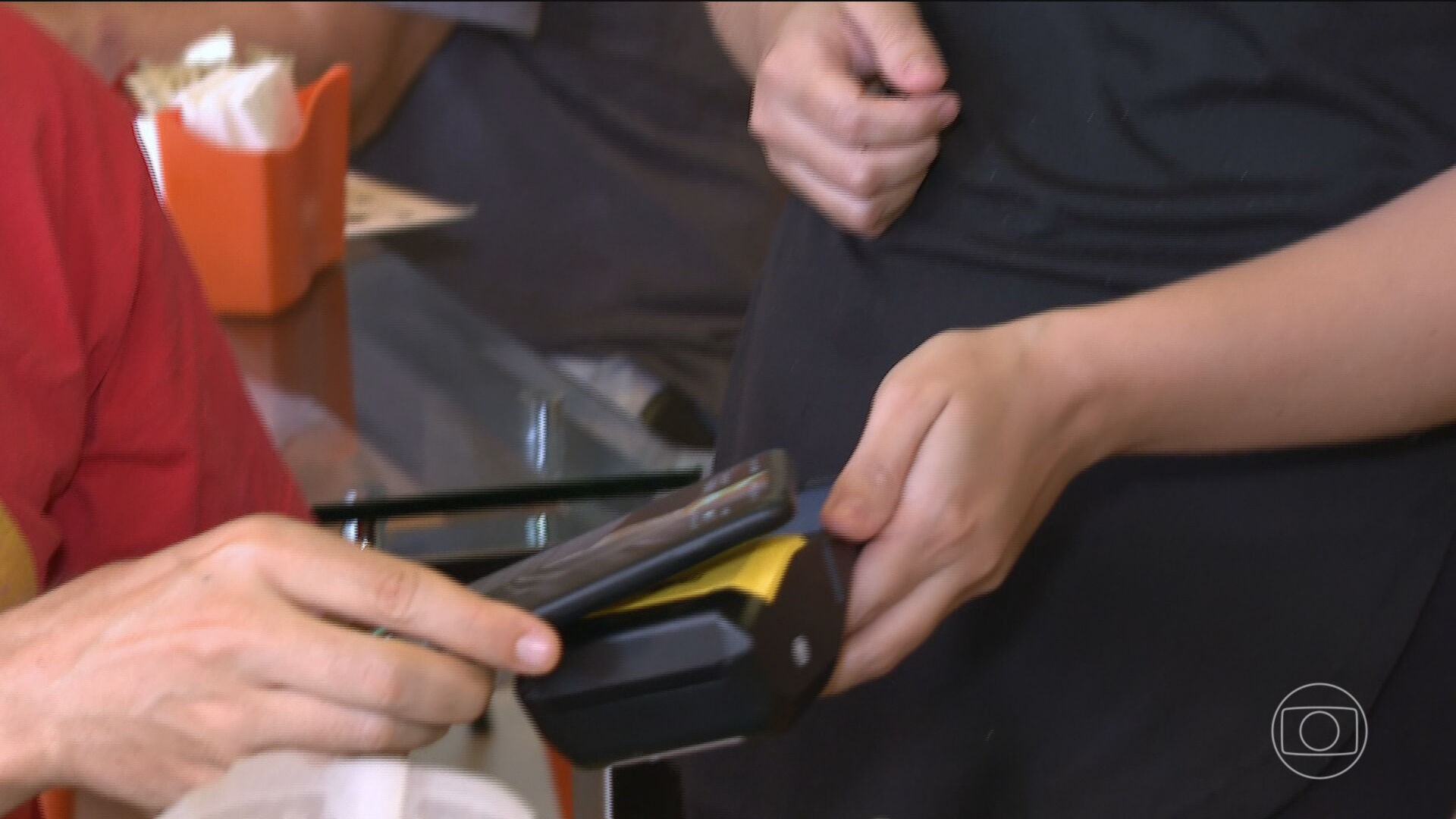
APproximate PIX: understand how to do it
A normative instruction from the Central Bank (BC) eliminated the daily limit of R$500 for transactions carried out through contactless PIX. With the change, users will be able to request an increase or reduction in the limit for this modality. The new rule comes into force on October 1, 2026.
Launched in 2025, Pix by contact allows users to make payments just by bringing their cell phone or digital watch close to the payment machine, in a similar way to how credit and debit cards work by contact.
The solution works on devices with NFC technology through digital wallets that have joined the payment method.
Currently, the functionality is available on Android devices, with Google Pay and Samsung Wallet, for example.
iPhones do not offer the feature because Apple does not yet allow digital wallet applications to act as Payment Transaction Initiators (ITPs), a necessary requirement for the operation of the modality.
To activate Pix by contacting a digital wallet, it is necessary to link the account to that wallet, similar to what is done with payment cards.
Android cell phones enable PIX by approximation; find out how to join the new functionality
Reproduction/TV Globo
When linking the account, the user is automatically directed to the institution where they have an account to confirm this authorization. Linking only happens once.
After linking your account, at the time of payment, simply choose to pay via Pix, bring your cell phone closer, check whether the payment information is correct and confirm.
This method makes payments simpler and faster, eliminating the need to scan QR Codes or enter manual information.
PIX, in its various forms, is a success in the country. Last year alone it recorded R$35.36 trillion in transfers.
In addition to its wide and widespread use by the Brazilian population, the platform was responsible for the inclusion of millions of people in the financial system.
The system also stimulated the economy, especially in small businesses, whether face-to-face or digital, which previously had more difficulty receiving payments for their products and services.
In November 2025, when PIX celebrated its five-year anniversary, the director of Financial System Organization and Resolution at the Central Bank, Renato Gomes, commented that the country was close, at that moment, to having the entire adult population using the tool.
"It's essentially almost every adult in the country", said the director of the BC, at the time.
PIX in the US's sights
The expansion and enormous acceptance of PIX in the Brazilian payments market has angered the United States, as the payment method takes away market share from companies like Mastercard and Visa, which operate in the credit and debit card market.
According to the American government, the BC acts simultaneously as a regulator and operator of the system, which would favor PIX and limit the actions of competitors.
The criticisms are part of the justification for the proposed 25% tariff on Brazilian products following a commercial investigation by the US Trade Office (USTR) against abusive practices. According to the agency, the Brazilian government adopts practices that "encumber or restrict" trade with North Americans.
When the investigation was opened, in July 2025, PIX was not directly cited. The document made reference to "digital commerce and electronic payment services", including those offered by the Brazilian State.
In practice, PIX is the only public system for this purpose.
"Brazil appears to engage in a series of unfair practices in relation to electronic payment services, including, but not limited to, favoring its electronic payment services developed by the government," said the USTR.
READ ALSO: See which Brazilian products should be left out of the 25% fee proposed by the USA
In April this year, a report released by the White House once again cited PIX as a system which, in the assessment of the American government, harms credit card companies such as Visa and Mastercard.
To date, the Central Bank has not publicly responded to the American government's allegations. The federal government, in turn, has already come out in defense of PIX on social media.
For experts interviewed by g1, aspects such as the clash with big techs and competition with American credit card brands would help explain the US offensive against PIX. They say that there are, however, no consistent reasons to question the payment service.
In fact, the success of PIX and its role as a showcase for Brazil would be seen as a "threat" to the sector in the USA. Trump's fears, they say, would also be linked to the advancement of PIX Internacional and the BRICS discussions on alternatives to the use of the dollar in trade.
Source: G1